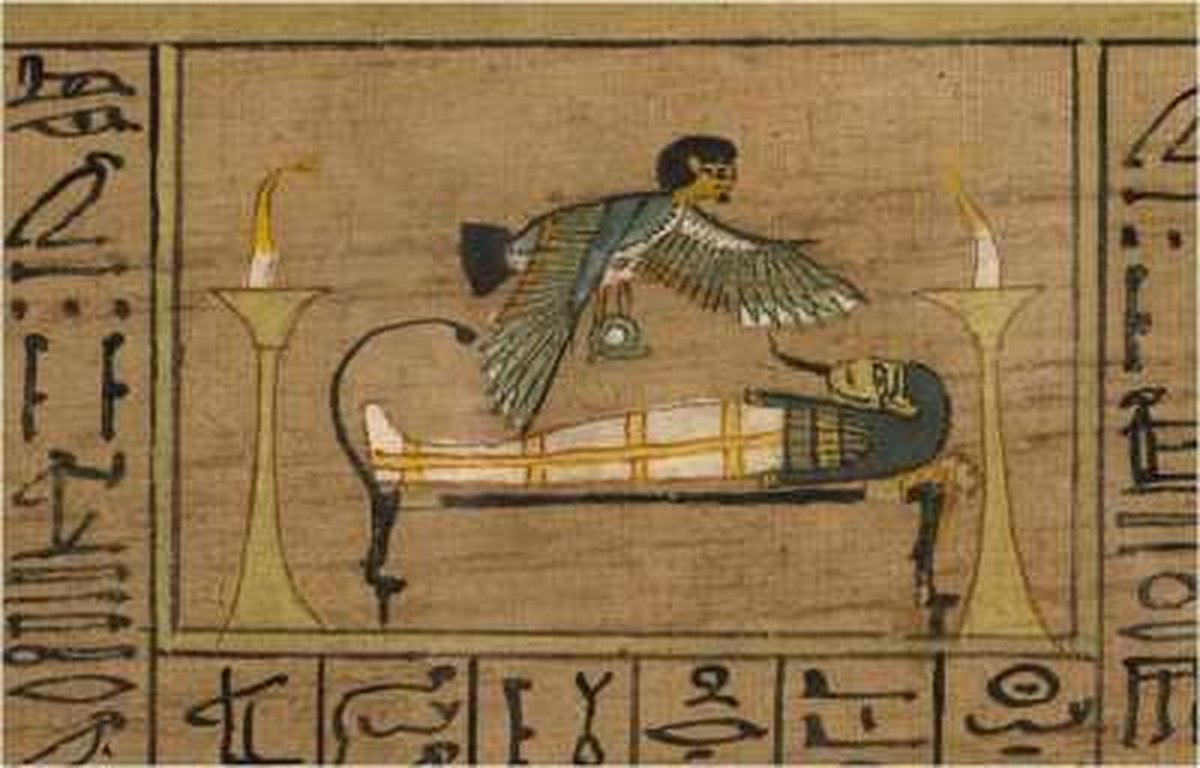
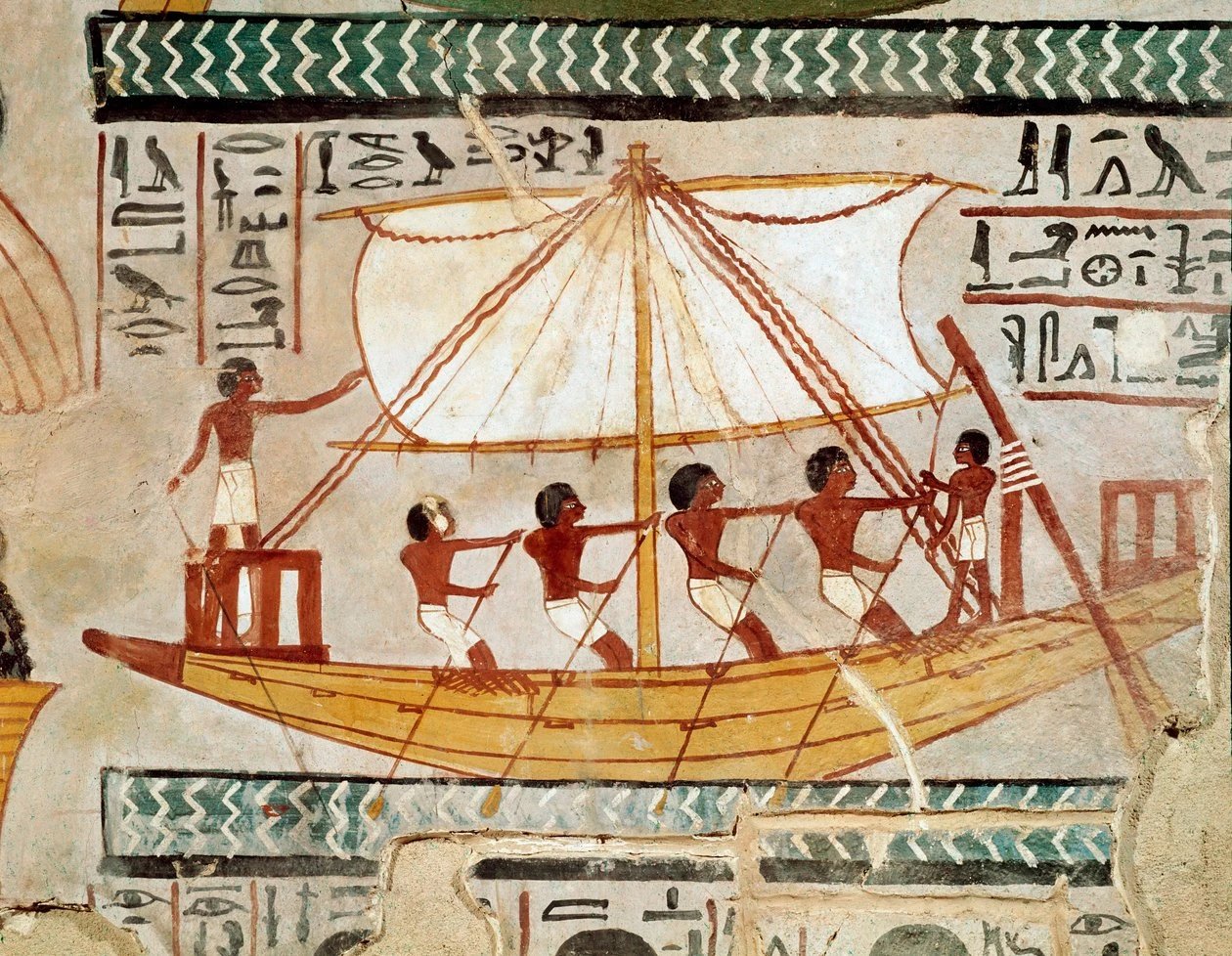
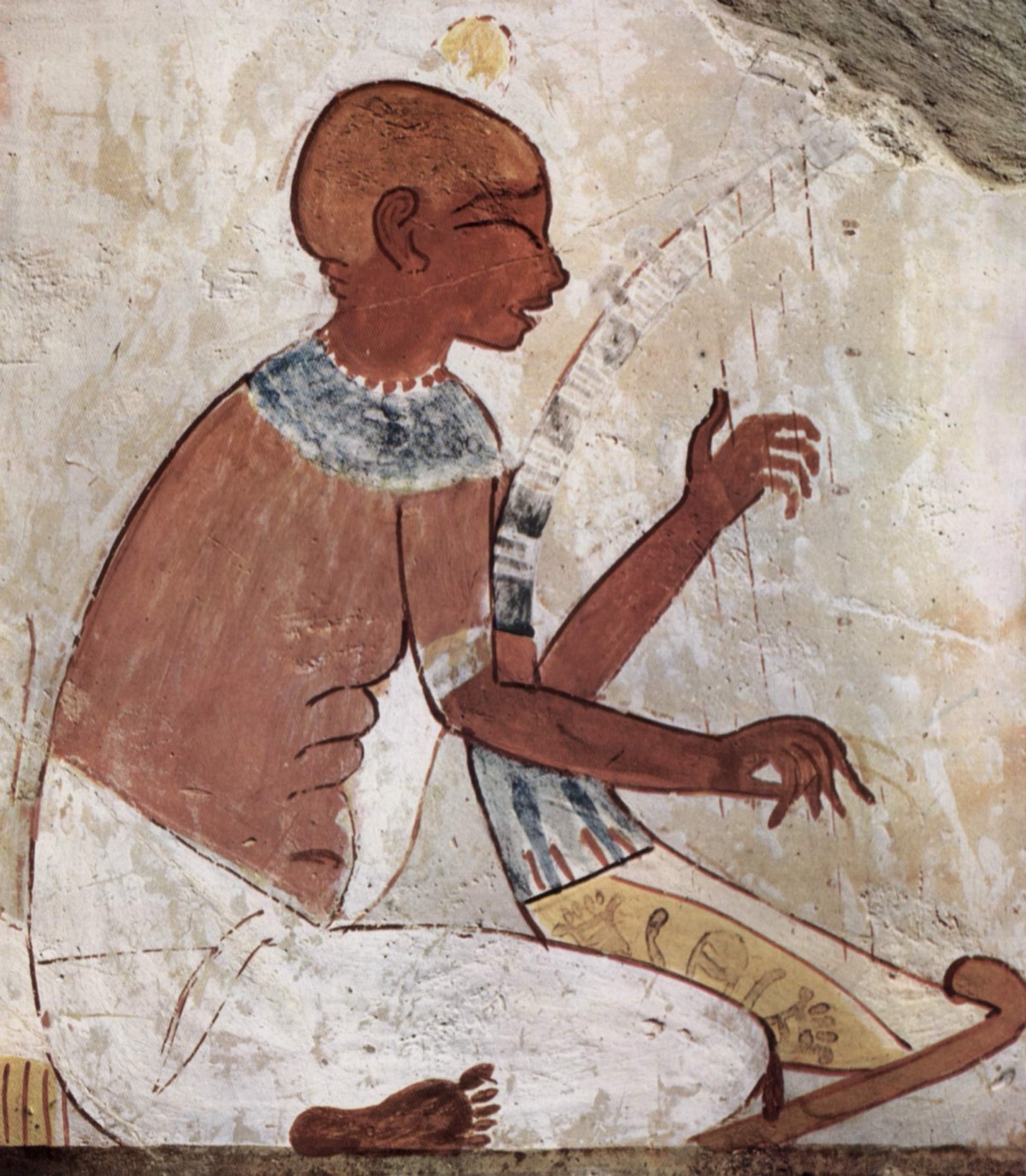
The Eloquent Peasant: Full Text with Hieroglyphs (Papyrus B1)
This article was written in Arabic; the English below is a rendering of the same text, made from the Egyptian with the help of the standard editions.
The Tale of the Eloquent Peasant is one of the finest works of Middle Kingdom literature. Its hero is Khunanup, a peasant from the Wadi Natrun who travels down to Egypt with a train of donkeys to trade for bread for his family. Near Herakleopolis (Ehnasya) he is waylaid by Nemtynakht, a dependant of the high steward Rensi, son of Meru, who steals his donkeys and goods and beats him. The peasant refuses to give up. He goes to Rensi and makes nine petitions in speeches of astonishing beauty about justice, Maat and the balance that must never tilt.
Rensi reports the peasant to King Nebkaure, who secretly orders that the man be kept waiting without any answer, so that he will keep speaking and his words can be written down. Meanwhile the peasant's household is fed at state expense without his knowing who is providing for him. The whole tale is about the duty to speak the truth even to someone more powerful, and about eloquence as a weapon.
The tale survives in four Middle Kingdom manuscripts, B1 (Papyrus Berlin P 3023), B2, R and Bt, all in Berlin, together with the Amherst fragments that supply the beginning. This article follows B1: the first 18 sentences come from the Amherst fragments and from the editors' restoration, after which B1 itself begins. B1 ends with the close of the eighth petition, so the ninth petition and the closing scene, where the peasant is finally vindicated, are not preserved on B1 and are not included here.
Each of the 413 sentences has a table like those in the Bastet Dictionary: hieroglyphs and transliteration, then the translation into colloquial Egyptian Arabic and into English. Under each sentence a Source toggle opens the B1 line numbers (new and old numbering) and the sentence's link in the TLA database. The Arabic is colloquial Egyptian and keeps the proverbs and images vivid. For another text from the same wisdom tradition, read the Instruction of Ptahhotep.
1. The journey and the robbery
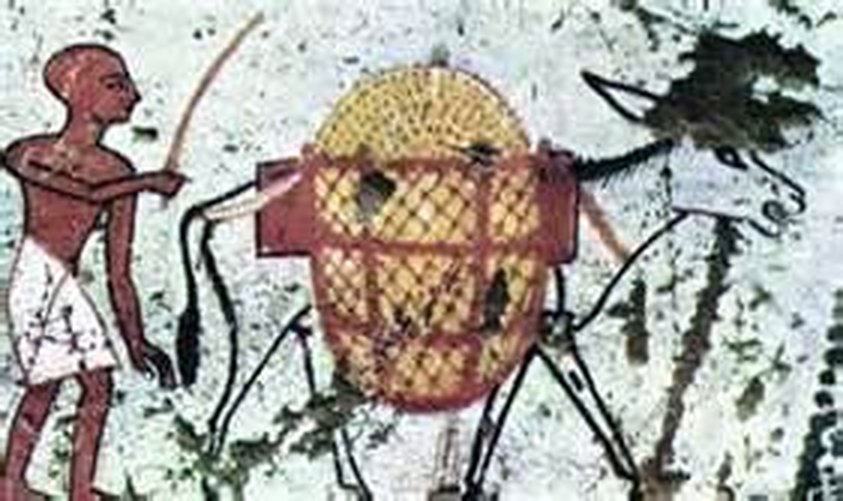
Khunanup comes down from the Wadi Natrun with his donkeys and meets Nemtynakht on the narrow path.
| Hieroglyphs | Egyptian (Latin transliteration) | English |
|---|---|---|
| 𓅓 𓏎𓏌𓏥 𓎟 𓄤𓆑𓂋 𓈖 𓇏𓏏𓈇𓎛𓌴𓄿𓏏𓍖𓈒𓏥𓈉 | m in.w nb nfr n sx.t-HmA.tSourceB1, l. 1–15 – TLAThe opening is largely restored from the Amherst fragments and the R manuscript: the list of goods is mostly reconstructed and several names are uncertain; about 12 columns are lost before it. | [This peasant went down to Egypt after loading his donkeys with vine stems (?), rdm-palm branches, grains of natron, grains of salt, timber from the place ..., wooden staves from Farafra, panther hides, jackal pelts, stones of ..., and ...], that is, with every fine product of the Wadi Natrun. |
| 𓈝𓅓𓂻 𓊪𓏲 𓁹𓈖 𓇏𓏏𓏭𓀀 𓊪𓈖 𓅓𓏃𓈖𓏏𓏏𓊛 𓂋 𓇓𓏏𓈖𓀔𓈖𓈖𓊖 | [Smi.t] pw iri.n sx.ti pn m-xnt.[y]t r nn-nswtSourceB1, l. 16–17 – TLA | Then this peasant set out on his journey southward to Herakleopolis (Ehnasya). |
| 𓄭𓂋𓂻 𓊪𓏲 𓁹𓈖𓆑 𓂋 𓅱𓈇𓏤 𓈖 𓉐𓆑𓆑𓇋𓀀 𓁷𓏤 𓎔𓏏𓏭𓈇𓏤 | spr pw iri.n.f r w n pr-ffi Hr mH.ti <mdni.t>SourceB1, l. 18 – TLA | He reached the district of Per-Fefi, north of Medenit. |
| 𓅠𓅓𓈖𓆑 𓊃𓀀 𓇋𓅓 𓊢𓂝𓂻 𓁷𓏤 𓇋𓇋𓈇𓏤 𓅈𓏏𓏭𓀜𓀀 𓂋𓈖𓆑 | gmi.n.f z im aHa [Hr] [mr].yt nm.ti-nxt rn.fSourceB1, l. 19 – TLA | There he met a man standing on the canal bank, whose name was Nemtynakht. |
| 𓅭𓀀 𓊃𓀀 𓊪𓅱 𓇋𓇋 𓂋𓈖𓆑 | zA z [pw] [isr.y] rn.f | He was the son of a man named [Isery]. |
| 𓆓𓏏𓇿𓀀𓁐𓏥 𓊪𓏲 𓈖𓏏 𓅓𓂋𓉐𓀗 𓌻𓂋𓅱 𓆇 𓂋𓈖 | D.t pw n.t (i)m.i-r-pr-wr mr.w zA rn[si]SourceB1, l. 20 (cont.) – TLA | He was a dependent of the high steward Rensi, son of Meru. |
| 𓆓𓂧 𓅈𓏏𓏭𓀜𓀀 𓊪𓈖 𓌳𓁹𓄿𓄿𓆑 𓉻𓂸𓃘𓏥 𓈖 𓇏𓏏𓏭 𓊪𓈖 𓉻𓂝𓄿𓃀𓇋𓇋𓅱𓇭𓏛𓏥 𓁷𓏤 𓄣𓏤𓆑 𓆓𓂧𓆑 | [Dd.in] nm.ti-nxt pn mAA.f aA.w n sx.ti [pn] aAb.yw Hr ib.f Dd.fSourceB1, l. 21–22 – TLA | [Then] this Nemtynakht, seeing the peasant's donkeys and taking a liking to them, said: |
| 𓇉𓄿𓀁 𓈖𓀀 𓊏𓊪𓀾 𓎟 𓏠𓈖𓐍𓍊𓏛 𓂝𓍯𓄿𓂝𓀀 𓎛𓆰 𓈖 𓇏𓏏𓏭𓀀 𓊪𓈖 𓇋𓅓𓆑 | HA [n].[i] [Szp] [nb] mnx awAi.i H[n.w] [n] [sx.ti] [pn] im.fSourceB1, l. 23–24 – TLA | “If only I had some magic charm to steal this peasant's goods with!” |
| 𓇋𓋴𓏏 𓂋𓆑 𓇋𓂋 𓉐 𓅈𓏏𓏭𓀜𓀀 𓊪𓈖 𓁷𓏤 𓄥𓏛𓇾 𓈖 𓍯𓄿𓏏𓈐 | ist r.f ir pr nm.ti-nxt pn Hr zmA-tA [n] [r]-wA.tSourceB1, l. 24 (cont.) – TLAThe sense of the phrase zmA-tA n r-wA.t is uncertain; this rendering is approximate. | Now the house of this Nemtynakht stood by the landing at the roadside, the one shared by the neighbours. |
| 𓎛𓆰𓈖𓋴𓅪 𓊪𓏲 | Hns pwSourceB1, l. 25 – TLA | It was a narrow path; |
| 𓂜 𓅱𓊃𓐍𓎺𓏛 𓇋𓋴 𓊪𓏲 | n wsx is pwSourceB1, l. 25 (cont.) – TLA | it was not wide. |
| 𓈎𓈖𓀜𓆑 𓂋 𓊃𓐍𓅱𓎺𓏛 𓈖 𓈀𓏤𓋳 | qn<n>.[f] r sx.w n dAi.wSourceB1, l. 26 – TLA | It measured no more than the width of a kilt. |
| 𓇋𓏲 𓈐𓏏𓏤𓆑 𓌡𓂝𓏏𓏤 𓌨𓂋 𓈗 𓎡𓇋𓇋𓆑 𓈐𓏏𓏤𓆑 𓌨𓂋 𓇗𓌾𓏥 | iw wA.t.f wa.t Xr mw [k.ty].f wA.t. <Xr> SmaSourceB1, l. 27 – TLA | One side of it lay under water, the other under fine barley. |
| 𓆓𓂧𓇋𓈖 𓅈𓏏𓏭𓀜𓀀 𓊪 𓈖 𓌞𓅱𓆑 | Dd.in nm.ti-nxt p[n] [n] [Sms.w].[f]SourceB1, l. 27 (cont.) – TLA | Then this Nemtynakht said [to his servant]: |
| 𓊄 𓏎𓈖 𓈖𓀀 𓇋𓆑𓂧𓋳 𓅓 𓉐𓅱𓀀 | [iz] [ini] [n].[i] [ifd] [m] pr.w.iSourceB1, l. 28 – TLA | “[Go and fetch me] a sheet [from] my house!” |
| 𓏎𓈖𓆑 𓈖𓆑 𓁷𓏤𓂝𓅱𓏭 | [ini.in.tw].f [n].[f] [Hr-a]SourceB1, l. 28 (cont.) – TLA | [It was brought to him at once.] |
| 𓊢𓂝𓈖 𓊃𓈙𓏴𓆑 𓅮𓄿 𓆑 𓁷𓏤 𓄿 𓄥𓏛𓇾𓈇𓏤 𓈖 𓂋𓏤𓈐𓏏𓏤 | [aHa.n] [sS.n].[f] [pA] [i]f[d] [Hr] [p]A zmA-tA n r-wA.tSourceB1, l. 29 – TLA | [Then] he spread [this sheet] across the roadside path. |
| 𓃹𓈖𓇋𓈖 𓐍𓈖𓈖𓅯𓂻 𓋴𓂧𓃀𓋳𓆑 𓁷 𓈗 𓈖𓊪𓈖𓊪𓏏𓋳𓆑 𓁷𓏤 𓇗𓌾𓏥 | wn.in xnn [sdb].[f] Hr mw npnp.t.[f] [Hr] SmaSourceB1, l. 30–31 – TLA | Its fringed border fell into the water, and its smooth hem onto the fine barley. |
| 𓂻𓏲𓇋𓈖 𓇏𓏏𓏭𓀀 𓊪𓈖 𓁷𓏤 𓈐𓏏𓏤 𓈖𓏏 𓂋𓍿𓀀𓁐 𓎟𓏏 | iwi.in [sx.ti] [pn] Hr wA.t n.t r(m)T.w nb.tSourceB1, l. 32 – TLA | Along came [this] peasant, on the road that everyone uses. |
| 𓆓𓂧𓇋𓈖 𓅈𓏏𓏭𓀜𓀀 𓊪𓈖 | Dd.in nm.ti-nxt pnSourceB1, l. 32 (cont.) – TLA | And this Nemtynakht said: |
| 𓁹 𓉔𓂋𓏛 𓇏𓏏𓏭𓀀 | iri [hrw] [sx.ti]SourceB1, l. 32 (cont.) – TLA | “Mind your manners, [peasant], |
| 𓂜 𓐍𓈖𓂧𓂾𓂻𓎢 𓁷𓏤 𓎛𓃀𓋴𓏲𓋳𓏥𓀀 | n xnd.k Hr Hbs.w.iSourceB1, l. 33 – TLA | and do not trample on my clothes!” |
| 𓆓𓂧𓇋𓈖 𓇏𓏭 𓊪𓈖 | Dd.in sx.ti pnSourceB1, l. 34 – TLA | Then this peasant said: |
| 𓁹𓇋𓇋𓀀 𓎛𓎿𓊃𓏏𓀁𓎢 | iri.y.i Hsi.t.kSourceB1, l. 34 (cont.) – TLA | “I will do whatever pleases you. |
| 𓄤𓆑𓂋 𓅓𓂝𓏏𓈖𓌙𓅯𓈐𓏥𓀀 | nfr mtn.iSourceB1, l. 34 (cont.) – TLA | I only want my way to pass peacefully.” |
| 𓉐𓂋𓏏𓂻 𓊪𓏲 𓁹𓈖𓆑 𓂋𓁷𓂋𓏲𓇯 | pri.t pw iri.n.f r-Hr.wSourceB1, l. 35 – TLA | And he turned up the embankment. |
| 𓆓𓂧𓇋𓈖 𓅈𓏏𓏭𓀜𓀀 𓊪𓈖 | Dd.in nm.ti-nxt pnSourceB1, l. 35 (cont.) – TLA | Then this Nemtynakht said: |
| 𓇋 𓇋 𓈖𓎢 𓇗𓌾𓏥𓀀 𓂋 𓈐𓏏𓏤 | i[n] i[w] n.k Sma.i r wA.tSourceB1, l. 36 – TLA | “Is my fine barley to be your road?” |
| 𓆓𓂧𓇋𓈖 𓇏𓏏𓏭𓀀 𓊪𓈖 | Dd.in sx.ti pnSourceB1, l. 36 (cont.) – TLA | Then this peasant said: |
| 𓄤𓆑𓂋 𓏏𓈖𓌙𓅯𓈐𓏥𓀀 | nfr [m]tn.iSourceB1, l. 37 – TLA | “I want my way to be a good one. |
| 𓇋𓐍𓅐𓏏𓈇𓏤 𓈎𓄿𓏏𓀠 | ixm.t qAi.t(i)SourceB1, l. 37 (cont.) – TLA | But the bank is steep, |
| 𓅓𓂝𓏏𓈖𓌙𓅯𓈐𓏥 𓌨𓂋 𓇗𓌾𓏥 | mtn Xr SmaSourceB1, l. 38 – TLA | and the path lies under fine barley, |
| 𓎛𓆰𓈖𓎨𓎢 𓂋𓆑 𓍯𓄿𓏏𓈐𓏏𓈖𓏥 𓅓 𓎛𓃀𓋴𓏲𓋳𓏥𓎢 | Hn.k r.f wA.t.n m Hbs.w.kSourceB1, l. 39 – TLA | and now you block our road with your clothes as well. |
| 𓇋𓈖 𓂜𓈖 𓂋𓆑 𓂝𓎢 𓋴𓍯𓄿𓏴𓈐𓈖𓏥 𓁷𓏤 𓈐𓏏𓏤 | in nn r.f Di.k swA.n Hr wA.tSourceB1, l. 40 – TLA | Will you not let us pass along the way?” |
| 𓊢𓂝𓈖 𓎔𓏛𓈖 𓌡𓂝𓏤 𓅓 𓈖𓄿 𓈖 𓉻𓂸𓃘 𓂋𓏤𓆑 𓅓 𓃀𓅡𓄿𓏏𓆰 𓈖𓏏 𓇗𓌾𓏥 | aHa.n mH.n wa m nA n aA r.f m bA.t n.t SmaSourceB1, l. 41 – TLA | At that moment one of the donkeys filled its mouth with a wisp of fine barley. |
| 𓆓𓂧𓇋𓈖 𓅈𓏏𓏭𓀜𓀀 𓊪𓈖 | Dd.in nm.ti-nxt pnSourceB1, l. 41 (cont.) – TLA | Then this Nemtynakht said: |
| 𓅓𓂝𓎢 𓅱𓀀 𓂋 𓈖𓈞𓅓𓂝 𓉻𓂸𓃘𓎢 𓇏𓏏𓏭𓀀 𓁷𓏤 𓏶𓀁𓆑 𓇗𓌾𓏥𓀀 | m.k wi r nHm aA.k sx.ti Hr wn(m).f Sma.iSourceB1, l. 42–43 – TLA | “Look, I shall have to take your donkey, peasant, because it is eating my fine barley. |
| 𓅓𓂝𓎢 𓇓𓏲 𓂋 𓉔𓃀𓏏𓍁𓂻 𓁷𓏤 𓈎𓈖𓏴𓆑 | m.k sw r hbi.t Hr qn.fSourceB1, l. 43 (cont.) – TLA | Look, it will have to tread out the grain as punishment for its offence.” |
| 𓆓𓂧𓇋𓈖 𓇏𓏏𓏭𓀀 𓊪𓈖 | Dd.in sx.ti pnSourceB1, l. 44 – TLA | Then this peasant said: |
| 𓄤𓆑𓂋 𓅓𓂝𓏏𓈖𓌙𓅯𓈐𓏥𓀀 | nfr mtn.iSourceB1, l. 44 (cont.) – TLA | “I want my way to be a good one. |
| 𓌡𓂝𓏏𓏤 𓌉𓆓𓏏𓏴 𓎆 | wa.t HDi.t 10 | One wisp ruins ten! |
| 𓏎𓈖𓈖𓀀 𓉻𓂸𓃘𓀀 𓁷𓏤 𓈙𓈖𓂝𓎢𓏛 𓎆 | ini.n.i aA.i Hr Sna 10 | I bought my donkey for ten shna-units! |
| 𓎁𓏏𓂝𓎢 𓇓𓏲 𓁷𓏤 𓎔𓎛𓏲𓏛 𓈖 𓂋𓏤𓆑 𓅓 𓃀𓅡𓄿𓏏𓆰 𓈖𓏏 𓇗𓌾𓏥 | iti.k sw Hr mH.w n r.f m bA.t n.t SmaSourceB1, l. 46 – TLA | And you will take him just because he filled his mouth with a wisp of fine barley? |
| 𓇋𓅱𓀀 𓎼𓂋𓏏 𓂋𓐍𓏛𓎢𓅱𓀀 𓎟 𓈖 𓐖𓏏𓊖 𓏏𓈖 | iw.i gr.t rx.kwi nb n DAt.t tnSourceB1, l. 47 – TLA | Besides, I know the lord of this estate. |
| 𓈖𓄓𓋴 𓅓𓂋𓉐𓀗 𓌻𓂋𓏲 𓆇 𓂋𓈖𓋴𓏭𓀀 | n.i-s(i) (i)m.i-r-pr-wr mr.w zA rnsiSourceB1, l. 48 – TLA | It belongs to the high steward Rensi, son of Meru. |
| 𓈖𓏏𓆑 𓎼𓂋𓏏 𓍚𓀜 𓂝𓍯𓄿𓂝𓀀 𓎟 𓅓 𓇾𓈇𓏤 𓊪𓈖 𓂋𓇥𓂋𓆑 | ntf gr.t xsf awA nb m tA pn r-Dr.fSourceB1, l. 48 (cont.) – TLA | He is the one who punishes every thief in this whole land. |
| 𓇋𓈖 𓂝𓍯𓄿𓂝𓏏𓏲𓀀 𓂋𓆑 𓅓 𓐖𓏏𓊖𓆑 | in awAi.tw.i r.f m DAt.t.fSourceB1, l. 49 – TLA | Am I really to be robbed on his own estate? |
| 𓆓𓂧𓇋𓈖 𓅈𓏏𓏭𓀜𓀀 𓊪𓈖 | Dd.in nm.ti-nxt pnSourceB1, l. 50 – TLA | Then this Nemtynakht said: |
| 𓇋𓈖 𓅯𓄿 𓊪𓅱 𓐍𓈖𓅯𓀁 𓈖 𓌃𓂧𓏏𓀁 𓆓𓂧𓅱 𓂋𓍿𓀀𓁐𓏥 | in pA pw xn n md.t Dd.w r(m)T.wSourceB1, l. 50 (cont.) – TLA | “Is this the saying people repeat: |
| 𓂧𓅓𓌪𓀁𓏏𓏲 𓂋𓈖 𓈖 𓎛𓅨𓂋𓅱𓅪𓀀 𓁷𓏤 𓎟𓀀𓆑 | dm.tw rn n Hwr.w Hr nb.fSourceB1, l. 51 – TLA | ‘A poor man's name is pronounced only for the sake of his master’? |
| 𓏌𓎢𓀀 𓊪𓏲 𓌃𓂧𓅱𓀁 𓈖𓎢 | ink pw mdwi n.kSourceB1, l. 52 – TLA | I am the one speaking to you. |
| 𓅓𓂋𓉐𓀗𓀀 𓊪𓏲 𓋴𓆼𓄿𓇋𓇋𓀁𓎢 | (i)m.i-r-pr-wr pw sxA.y.kSourceB1, l. 52 (cont.) – TLANemtynakht answers the mention of the high steward with a challenge: the man in front of you is me, not Rensi. | But it is the high steward whom you have brought to mind!” |
| 𓊢𓂝𓈖 𓅷𓄿𓂝𓈖𓆑 𓈖𓆑 𓇋𓄿𓄿𓇋𓇋𓏏𓆰 𓈖𓏏 𓇋𓋴𓂋𓆭𓆱 𓇆 𓂋𓆑 | aHa.n TAi.n.f n.f iAA.yt n.t isr wAD r.fSourceB1, l. 53–54 – TLA | Then he seized a green tamarisk branch against him, |
| 𓊢𓂝𓈖 𓉻𓂝𓄿𓂝𓆑 𓂝𓏏𓄹𓆑 𓎟 𓇋𓅓𓋴 | aHa.n aA<g.n>.f a.t.f nb im.sSourceB1, l. 54 (cont.) – TLA | and beat all his limbs with it, |
| 𓈖𓈞𓅓𓂝 𓉻𓂸𓃘𓏥𓆑 𓊃𓅧𓈎𓂻 𓂋 𓐖𓏏𓊖𓆑 | nHm aA.w.f saq r DAt.t.fSourceB1, l. 55 – TLA | while his donkeys were taken from him and driven into his own estate. |
| 𓃹𓈖𓇋𓈖 𓇏𓏏𓏭𓀀 𓊪𓈖 𓁷𓏤 𓂋𓅓𓇋𓇋𓏏𓁹 𓉻𓂝𓄿𓅱𓏛 𓅨𓂋𓏏𓏯 𓈖 𓍋𓅓𓂋𓅪 𓈖 𓁹𓂋𓇋𓇋𓏏 𓂋𓆑 | wn.in sx.ti pn Hr rmi.yt aAw wrt n mr n iri.yt r.fSourceB1, l. 56 – TLA | This peasant wept bitterly, in pain at what had been done to him. |
2. The first appeal to Nemtynakht
| Hieroglyphs | Egyptian (Latin transliteration) | English |
|---|---|---|
| 𓆓𓂧𓇋𓈖 𓅈𓏏𓏭𓀜𓀀 𓊪𓈖 | Dd.in nm.ti-nxt pnSourceB1, l. 57 – TLA | Then this Nemtynakht said: |
| 𓅓 𓈎𓄿𓀠 𓊤𓏲𓀁𓎢 𓇏𓏏𓏭𓀀 | m qAi xrw.k sx.tiSourceB1, l. 57 (cont.) – TLA | “Do not raise your voice, peasant! |
| 𓅓𓂝𓎢 𓏏𓏲 𓂋 𓂧𓏇𓇋𓈇𓏤 𓈖 𓎟𓋴𓎼𓂋𓀁𓅆 | m.k tw r dmi n nb-sgrSourceB1, l. 58 – TLA“Lord of Silence” is a title of a god of the dead (probably Osiris): the threat is that the peasant will end up among the dead. | Look, you are near the landing place of the Lord of Silence!” |
| 𓆓𓂧𓇋𓈖 𓇏𓏏𓏭𓀀 𓊪𓈖 | Dd.in sx.ti pnSourceB1, l. 58 (cont.) – TLA | Then this peasant said: |
| 𓎛𓀝𓂝𓎢 𓅱𓀀 𓂝𓍯𓄿𓂝𓎢 𓎛𓆰𓈖𓏌𓏲𓏛𓏥𓀀 | H(w)i.k wi awAi.k Hn.w.iSourceB1, l. 59 – TLA | “You beat me so as to steal my goods, |
| 𓈖𓈞𓅓𓂝𓎡 𓂋𓆑 𓈖𓐍𓅱𓏏𓀁 𓅓 𓂋𓏤𓀀 | nHm.k r.f nx.wt m r.iSourceB1, l. 60 – TLA | and now you would even take the complaint from my mouth! |
| 𓎟𓋴𓎼𓂋𓀁𓅆 𓂝𓎢 𓂋𓎢 𓈖𓀀 𓐍𓏏𓏛𓏥𓀀 | nb-sgr Di.k r.k n.i x.t.iSourceB1, l. 61 – TLA | O Lord of Silence, give me back my belongings, |
| 𓇋𓐍𓏛 𓍃𓅓𓀀 𓊃𓃀𓎛𓄑𓀁 𓈖 𓈖𓂋𓅐𓂡𓎢 | ix tm.i sbH <n> nr.(w).kSourceB1, l. 61 (cont.) – TLA | and then I shall not cry out against your terror!” |
| 𓁹𓇋𓈖 𓇏𓏏𓏭𓀀 𓊪𓈖 𓊢𓂝𓅱𓇳 𓎆 𓂋 𓉔𓂋𓅱𓇳 𓎆 𓁷𓏤 𓄭𓂋𓀁 𓈖 𓅈𓏏𓏭𓀜𓀀 𓊪𓈖 𓂜 𓂋𓂝𓈖𓆑 𓌳𓐙𓂝𓆀𓆑 𓂋𓋴 | iri.in sx.ti pn aHa.w r hrw 10 Hr spr n nm.ti-nxt pn n rDi.n.f mAa.f r.sSourceB1, l. 62–63 – TLA | So this peasant spent ten days begging this Nemtynakht, who paid him no heed. |
3. The complaint to Rensi
The peasant goes to Rensi at Herakleopolis, and the officials shrug.
| Hieroglyphs | Egyptian (Latin transliteration) | English |
|---|---|---|
| 𓈝𓅓𓏏𓂻 𓊪𓏲 𓁹𓈖 𓇏𓏏𓏭𓀀 𓊪𓈖 𓂋 𓇓𓏏𓈖𓀔𓈖𓈖𓊖 𓂋 𓄭𓂋𓀁 𓈖 𓅓𓂋𓉐𓀗 𓌻𓂋𓅱 𓆇 𓂋𓈖𓋴𓏭𓀀 | Smi.t pw iri.n sx.ti pn r nn-nswt r spr n (i)m.i-r-pr-wr mr.w zA rnsiSourceB1, l. 64–65 – TLA | Then this peasant went to Herakleopolis to petition the high steward Rensi, son of Meru. |
| 𓅠𓅓𓈖𓆑 𓇓𓅱 𓁷𓏤 𓉐𓂋𓏏𓂻 𓅓 𓋴𓃀𓇼𓄿𓉐 𓈖 𓉐𓆑 𓂋 𓉔𓄿𓏏𓂻 𓂋 𓈎𓄿𓈎𓄿𓅱𓊛𓆑 𓈖 𓂝𓂋𓂋𓇋𓇋𓏏𓉐 | gmi.n.f sw Hr pri.t m sbA n pr.f r hAi.t r qAqA.w.f n(.i) arr.ytSourceB1, l. 66 – TLA | He found him coming out of the door of his house, on his way down to his official barge. |
| 𓆓𓂧𓇋𓈖 𓇏𓏏𓏭𓀀 𓊪𓈖 | Dd.in sx.ti pnSourceB1, l. 67 – TLA | Then this peasant said: |
| 𓇉𓄿𓀁 𓂋𓂝𓏏 𓋴𓄿𓏛𓀀 𓄣𓏤𓎢 𓁷𓏤 𓅯𓄿 𓐍𓈖𓅯𓀁 𓈖 𓌃𓂧𓏏𓀁 | HA rDi.t(w) swDA.i ib.k Hr pA xn n md.tSourceB1, l. 68 – TLA | “Might I be allowed to gladden your heart with this matter of my complaint! |
| 𓊃𓊪𓊗 𓊪𓏲 𓂋𓂝𓏏 𓂻𓏲𓏏 𓈖𓀀 𓌞𓏲𓂻𓀀𓎢 𓈖 𓐍𓂋𓏏𓏛𓄣𓏤𓎢 𓉔𓄿𓃀𓂻𓀀 𓈖𓎢 𓇓𓏲 𓁷𓂋𓋴 | sp pw rDi.t(w) iwi.t n.i Sms.w.k n xr.t-ib.k hAb.i n.k sw Hr.sSourceB1, l. 69–70 – TLA | All that is needed is that you let your trusted servant come to me, and I shall send word to you by him.” |
| 𓂋𓂝𓇋𓈖 𓅓𓂋𓉐𓀗 𓌻𓂋𓅱 𓆇 𓂋𓈖𓋴𓏭𓀀 𓈝𓅓𓂻 𓌞𓏲𓂻𓆑 𓈖 𓐍𓂋𓏏𓏛𓄣𓏤𓆑 𓁶𓏤𓇋𓅓𓆑 𓉔𓄿𓃀𓂻 𓇓𓅱 𓇏𓏏𓏭𓀀 𓊪𓈖 𓁷𓏤 𓌃𓂧𓏏𓀁 𓏏𓈖 𓏇𓇋𓈎𓇋𓀾𓏛𓋴 𓎟 | rDi.in (i)m.i-r-pr-wr mr.w zA rnsi Smi Sms.w.f n xr.t-ib.f tp-im.f hAb sw sx.ti pn Hr md.t tn mi-qi.s nbSourceB1, l. 71–73 – TLA | So the high steward Rensi, son of Meru, sent his trusted servant to the peasant, and the peasant sent word back to him about the whole affair, down to the last detail. |
| 𓃹𓈖𓇋𓈖 𓅓𓂋𓉐𓀗 𓌻𓂋𓅱 𓆇 𓂋𓈖𓋴𓏭𓀀 𓁷𓏤 𓋴𓂋𓐍𓏏𓀁 𓅈𓏏𓏭𓀜𓀀 𓊪𓈖 𓈖 𓋴𓂋𓅱𓀔𓀀𓏥 𓈖𓏏𓏭 𓂋𓐛𓏤𓆑 | wn.in (i)m.i-r-pr-wr mr.w zA rnsi Hr srx.t nm.ti-nxt pn n sr.w n.ti r-gs.fSourceB1, l. 74 – TLA | Then the high steward Rensi, son of Meru, laid a charge against this Nemtynakht before the senior officials who were with him. |
| 𓆓𓂧𓇋𓈖𓋴𓈖𓏥 𓈖𓆑 | Dd.in.sn n.fSourceB1, l. 75 – TLA | They said to him: |
| 𓊃𓅓𓃹𓈖𓀁 𓇏𓏏𓏭𓀀𓆑 𓊪𓏲 𓂻𓏲 𓈖 𓎢𓇋𓇋𓀀 𓂋𓐛𓏤𓆑 | smwn sx.ti.f pw iwi n ky r-gs.fSourceB1, l. 75 (cont.) – TLA | “Most likely this is one of his own peasants, who has gone to another man nearby for protection. |
| 𓅓𓂝𓎢 𓁹𓂋𓏏𓋴𓈖𓏥 𓊪𓏲 𓂋 𓇏𓏏𓅂𓀀𓏥𓋴𓈖𓏥 𓂻𓏲𓅱𓀀𓏥 𓈖 𓎢𓏏𓐍𓏏𓏛𓀀𓏥 𓂋𓐛𓏤𓋴𓈖𓏥 | m.k irr.t.sn pw r sx.ti.w.sn iwi.w n kt-x.t r-gs.snSourceB1, l. 76–77 – TLA | Look, that is what they always do with their peasants who go over to others. |
| 𓅓𓂝𓎢 𓁹𓂋𓏏𓋴𓈖𓏥 𓊪𓏲 | m.k irr.t.sn pwSourceB1, l. 77 (cont.) – TLA | Look, that is their way. |
| 𓊃𓊪𓊗 𓊪𓏲 𓈖 𓍚𓀜𓏏𓏲 𓈖 𓅈𓏏𓏭𓀜𓀀 𓊪𓈖 𓁷𓏤 𓈖𓉔𓅪𓈒𓏥 𓈖 𓎛𓋴𓏠𓈖𓍖𓈒𓏥 𓎛𓈖𓂝 𓈖𓉔𓅪𓈒𓏥 𓈖 𓎛𓌳𓄿𓏏𓍖𓈒𓏥 | sp pw n xsf.tw n nm.ti-nxt pn Hr nh n Hsmn Hna nh n HmA.tSourceB1, l. 78–79 – TLA | Is this a matter for which one should punish this Nemtynakht, over a little salt and a little natron? |
| 𓎗𓏲𓏛𓏏𓏲 𓈖𓆑 𓂧𓃀𓅡𓄿𓌥𓏛 𓋴𓏏 𓂧𓃀𓅡𓄿𓌥𓏛𓆑 𓋴𓏏 | wD.tw n.f dbA st dbA.f stSourceB1, l. 80 – TLA | Let him be ordered to replace them, and he will replace them.” |
| 𓎼𓂋𓀁 𓊪𓏲 𓁹𓈖 𓅓𓂋𓉐𓀗 𓌻𓂋𓅱 𓆇 𓂋𓈖𓋴𓏭𓀀 | gr pw iri.n (i)m.i-r-pr-wr mr.w zA rnsiSourceB1, l. 81 – TLA | The high steward Rensi, son of Meru, fell silent. |
| 𓂜 𓅱𓈙𓃀𓏴𓀁𓆑 𓈖 𓇑𓇑 𓈖 𓋴𓂋𓅱𓀔𓀀𓏥 | n wSb.f n nn n sr.wSourceB1, l. 82 – TLA | He gave these officials no answer, |
| 𓂜 𓅱𓈙𓃀𓏴𓀁𓆑 𓈖 𓇏𓏏𓏭𓀀 𓊪𓈖 | <n> wSb.f n sx.ti pnSourceB1, l. 82 (cont.) – TLA | and he gave this peasant no answer. |
| 𓂻𓏲𓇋𓈖 𓂋𓆑 𓇏𓏏𓏭𓀀 𓊪𓈖 𓂋 𓄭𓂋𓀁 𓈖 𓅓𓂋𓉐𓀗 𓌻𓂋𓅱 𓆇 𓂋𓈖𓋴𓏭𓀀 𓆓𓂧𓆑 | iwi.in r.f sx.ti pn r spr n (i)m.i-r-pr-wr mr.w zA rnsi Dd.fSourceB1, l. 83–84 – TLA | Then this peasant came to petition the high steward Rensi, son of Meru, and said: |
4. The first petition
| Hieroglyphs | Egyptian (Latin transliteration) | English |
|---|---|---|
| 𓅓𓂋𓉐𓀗 𓎟𓀀𓀀 𓅨𓂋𓀀 𓈖 𓅨𓂋𓅱𓀀𓏥 𓋴𓌫𓅓𓅱𓂻 𓈖 𓂜𓏏𓏏𓅪 𓈖𓏏𓏥 𓈖𓏏𓏏 𓇋𓂋 𓉔𓄿𓂻𓎢 𓂋 𓈙𓈇 𓈖 𓌳𓐙𓂝𓏏𓏯𓏛 𓋴𓐪𓂧𓈒𓊛𓎢 𓇋𓅓𓆑 𓅓 𓌳𓐙𓂝𓅱𓆀𓊡 | (i)m.i-r-pr-wr nb.i wr n wr.w sSm.w n iw.tt <n.tt> ir hAi.k r S n mAa.t sqd.k im.f m mAa.wSourceB1, l. 85–86 – TLAThe first petition begins here. “High steward” renders the title imy-r pr wr, the chief administrator of the estates. | “High steward, my lord, greatest of the great, guide of all that is not and all that is! When you go down to the lake of Maat, you will sail upon it with a fair wind. |
| 𓂜𓈖 𓎢𓆑𓋳 𓈖𓂧𓃀𓇋𓇋𓏏 𓎛𓏏𓍔𓄿𓎢 | nn kfi ndb.yt HtA.kSourceB1, l. 87 – TLA | No gust shall tear away your sail, |
| 𓂜𓈖 𓇋𓉔𓅓 𓂧𓊪𓏲𓏏𓊛𓎢 | nn ihm dp.wt.kSourceB1, l. 88 – TLA | your boat shall not drift becalmed, |
| 𓂜𓈖 𓂻𓅱𓏏 𓇍𓇋𓇋𓏏𓅪𓏥 𓅓 𓆱𓏏𓏤𓎢 | nn iwi.t iy.t m xt.kSourceB1, l. 88 (cont.) – TLA | no mishap shall strike your mast, |
| 𓂜𓈖 𓏴𓌪𓂝 𓋴𓎼𓂋𓍅𓆱𓏥𓎢 | nn zwA sgrg.w.kSourceB1, l. 89 – TLA | your spars shall not break, |
| 𓂜𓈖 𓌂𓅓𓂻𓎢 𓇉𓄿𓂝𓂝𓂻𓎢 𓁷𓏤 𓇾𓈇𓏤 | nn sxm.k HAaa.k Hr tASourceB1, l. 89 (cont.) – TLA | you shall not be wrecked when you run aground, |
| 𓂜𓈖 𓎁𓏏𓀜 𓏏𓏲 𓈖𓍇𓏌𓏲𓏏𓈗 | nn iti tw nw.(y)tSourceB1, l. 90 – TLA | no wave shall sweep you away, |
| 𓂜𓈖 𓂧𓊪𓄓𓀁𓎢 𓈋𓅱𓏏𓅪𓏥 𓈖𓏏 𓇋𓏏𓂋𓅱𓈘 | nn dp.k Dw.t n.t itr.wSourceB1, l. 91 – TLA | you shall not taste the evil of the river, |
| 𓂜𓈖 𓌳𓁹𓄿𓎢 𓁷𓏤 𓅾𓀁 | nn mA.k Hr snDSourceB1, l. 91 (cont.) – TLA | you shall not look upon the face of fear. |
| 𓂻𓏲 𓈖𓎢 𓂋𓅓𓅱𓆟𓏥 𓍱𓈖𓂝𓇋𓇋𓏲𓂻𓏥 𓄖𓂻𓎢 𓅓 𓄿𓊪𓅭 𓆓𓂧𓄿𓐎 𓁷𓏤𓈖𓏏𓏏 𓈖𓏏𓎢 𓇋𓏏𓆑𓀀 𓈖 𓌰𓈖𓅓𓎛𓀔𓅪𓀀 𓉔𓇋𓂺𓀀 𓈖 𓆼𓄿𓂋𓏏𓅪𓁐 𓌢𓈖𓀀 𓈖 𓐣𓏏𓏛𓁐 𓍱𓈖𓂧𓇋𓇋𓏏𓋳 𓈖𓏏 𓂜𓏏𓏲𓅪 𓅓𓏏𓁐𓆑 | iwi n.k rm.w Sna.yw pH.k m Ap<d> DdA Hr-n.tt ntk it n nmH hi n xAr.t sn n wDa.t Snd.yt n.t iw.tw mw.t.fSourceB1, l. 92–95 – TLA | The shy fish will come to you, and you will catch the fattest fowl, for you are the father of the orphan, the husband of the widow, the brother of the divorced woman, and the apron of the one who has no mother. |
| 𓇋𓐝𓅓𓂝 𓁹𓇋𓇋𓀀 𓂋𓈖𓎢 𓅓 𓇾𓈇𓏤 𓊪𓈖 𓂋 𓉔𓊪𓏛 𓎟 𓄤𓆑𓂋 𓋴𓌫𓅓𓅱𓂻𓀀 𓆄𓏲𓅪 𓅓 𓂝𓃹𓈖𓂝𓄣𓏤 𓅨𓂋𓀀 𓆄𓏲𓅪 𓅓 𓈖𓆓𓇋𓇋𓏏𓅪 𓋴𓎛𓍃𓅓𓅯𓅪 𓎼𓂋𓍅𓏛 𓋴𓆣𓂋 𓌳𓐙𓂝𓏏𓏯𓏛 | imi iri.y.i rn.k m tA pn r hp nb nfr sSm.w Swi m awn-ib wr Swi m nD.yt sHtm grg sxpr mAa.t | Let me fashion your titulary in this land according to every good rule: a leader free of greed, a great man free of baseness, who destroys falsehood and brings Maat into being. |
| 𓇍𓇋𓂻 𓁷𓏤 𓊤𓏲𓀁 𓂝𓂝𓂋𓏤𓀀 | iyi Hr xrw DD-rSourceB1, l. 99 – TLA | Come at the voice of the one who pleads! |
| 𓆓𓂧𓀀 𓄔𓅓𓎢 | Dd.i sDm.kSourceB1, l. 99 (cont.) – TLA | I speak so that you may hear: |
| 𓁹 𓌳𓐙𓂝𓏏𓏯𓏛 𓎛𓎿𓊃𓇋𓇋𓀁𓀀 𓎛𓎿𓊃𓊃𓀁 𓎛𓎿𓊃𓇋𓇋𓏲𓀁𓀀𓏥 | iri mAa.t Hsi.y Hss Hsi.yw.wSourceB1, l. 100 – TLA | Do justice, O praised one, whom the praised ones praise! |
| 𓂧𓂋𓀜 𓋴𓐟𓄿𓇋𓂋𓌗𓅪𓏥𓀀 | dr sAir.iSourceB1, l. 100 (cont.) – TLA | Drive away my distress! |
| 𓅓𓂝𓎢 𓅱𓀀 𓀋𓂝𓎢𓅱 | m.k wi ATp.kw(i)SourceB1, l. 101 – TLA | Look, I am oppressed; |
| 𓇋𓊪𓏛 𓅱𓀀 | ip wiSourceB1, l. 102 – TLA | examine my case! |
| 𓅓𓂝𓎢 𓅱𓀀 𓅓 𓈖𓉔𓅱𓅪 | m.k wi m nh.wSourceB1, l. 102 (cont.) – TLA | look, I am in loss.” |
5. The king's order: feed him in secret
Rensi tells the king, who orders silence and food for the peasant's family.
| Hieroglyphs | Egyptian (Latin transliteration) | English |
|---|---|---|
| 𓇋𓋴𓏏 𓂋𓆑 𓆓𓂧𓈖 𓇏𓏏𓏭𓀀 𓊪𓈖 𓌃𓂧𓏏𓀁 𓏏𓈖 𓅓 𓂋𓎢𓇳 𓍛𓏤 𓈖 𓇓𓏏𓆤𓏏 𓇳𓎟𓂓𓏤𓏥 𓌳𓐙𓊤 | ist r.f Dd.n sx.ti pn md.t tn m rk Hm n nswt-bi.ti nb-kA.w-ra mAa-xrwSourceB1, l. 103–104 – TLA“Justified” (mAa-xrw) is an epithet added after the name of a king who is dead; the tale is told from a later vantage point. | Now this peasant spoke these words in the time of the Majesty of the King of Upper and Lower Egypt Nebkaure, the justified. |
| 𓈝𓅓𓏏𓂻 𓊪𓏲 𓁹𓈖 𓅓𓂋𓉐𓀗 𓌻𓂋𓅱 𓆇 𓂋𓈖𓋴𓏭𓀀 𓁶𓏤𓅓 𓍛𓏤𓆑 𓆓𓂧𓆑 | Smi.t pw iri.n (i)m.i-r-pr-wr mr.w zA rnsi tp-m Hm.f Dd.fSourceB1, l. 105 – TLA | The high steward Rensi, son of Meru, went to His Majesty and said: |
| 𓎟𓅆𓀀 𓇋𓏲 𓅠𓅓𓈖𓀀 𓌡𓂝𓏤 𓅓 𓇑𓇑 𓈖 𓇏𓏏𓏭𓀀 𓄤𓆑𓂋 𓌃𓂧𓅱𓀁 𓈖 𓃹𓈖𓌳𓐙𓂝𓆀𓏛 𓂝𓍯𓄿𓂝 𓎛𓆰𓈖𓏌𓏲𓏛𓏥𓆑 | nb.i iw gmi.n.i wa m nn n sx.ti nfr mdw n wn-mAa awAi Hn.w.fSourceB1, l. 106–107 – TLA | “My lord, I have met one of these peasants, truly gifted in speech, whose goods have been stolen. |
| 𓅓𓂝𓎢 𓇓𓏲 𓂻𓏲 𓂋 𓄭𓂋𓀁 𓈖𓀀 𓁷𓂋𓋴 | m.k sw iwi r spr n.i Hr.sSourceB1, l. 108 – TLA | Look, he has come to petition me about it.” |
| 𓆓𓂧𓇋𓈖 𓍛𓏤𓆑 | Dd.in Hm.fSourceB1, l. 109 – TLA | Then His Majesty said: |
| 𓅓 𓌻𓂋𓂋𓀁𓎢 𓌴𓁹𓄿𓀀 𓋴𓈖𓃀𓏛𓎢𓏲𓀀 𓋴𓏲𓂧𓂻𓆑𓎢 𓇓𓏲 𓉻𓂝𓄿𓈐 𓂜𓈖 𓅱𓈙𓃀𓏴𓀁 𓂋 𓆓𓂧𓏏𓆑 𓎟𓏏 | m mrr.k mA.i snb.kwi swd<f>.k sw aA nn wSb r Dd.t.f nb.tSourceB1, l. 110 – TLA | “If you wish to see me in good health, keep him here and do not answer anything he says. |
| 𓇋𓈖𓌻𓂋𓅱𓏏𓀁 𓃹𓈖𓆑 𓁷𓏤 𓆓𓂧 𓎼𓂋𓀁 | in-mr.wt wn.f Hr Dd grSourceB1, l. 111 – TLA | So that he goes on speaking, stay silent! |
| 𓇋𓐍𓏛 𓏎𓈖𓏏 𓈖𓈖𓏥 𓅓 𓏟𓏛 𓄔𓅓𓈖𓏥 𓋴𓏏 | ix init.(tw) n.n m zXA.w sDm.n stSourceB1, l. 111 (cont.) – TLA | Then let it be brought to us in writing, and we shall hear it. |
| 𓁹 𓇓𓅱𓏏 𓋹𓈖𓐍 𓈞𓏏𓁐𓆑 𓎛𓈖𓂝 𓄡𓂋𓂧𓏲𓀔𓀀𓁑𓏥𓆑 | iri swt anx Hm.t.f Hna Xrd.w.fSourceB1, l. 112 – TLA | But see to the upkeep of his wife and children. |
| 𓅓𓂝𓎢 𓂻𓏲 𓌡𓂝 𓅓 𓈖𓄿 𓈖 𓇏𓏏𓏭𓀀 𓂋 𓆄𓅱𓏏𓅪𓏥 𓉐𓏤𓆑 𓂋 𓇾𓈇𓏤 | m.k iwi wa m nA n sx.ti r Sw.t pr.f r tASourceB1, l. 113 – TLA | Look, one of these peasants comes here only when his house has been emptied down to the floor. |
| 𓁹 𓎼𓂋𓏏𓀁 𓋹𓈖𓐍 𓇏𓏏𓏭𓀀 𓊪𓈖 𓅓𓎛𓂝𓄹𓏥𓆑 | iri gr.t anx sx.ti pn m-Ha.w.fSourceB1, l. 114/ alt 83 – TLA | And see to the upkeep of this peasant himself. |
| 𓃹𓈖𓈖𓎢 𓁷𓏤 𓂋𓂝𓏏 𓂝𓏏𓏲 𓈖𓆑 𓅧𓏲𓏒𓏥 𓂜𓈖 𓂋𓂝𓏏 𓂋𓐍𓏛𓆑 𓈖𓏏𓏏 𓈖𓏏𓎢 𓂋𓂝 𓈖𓆑 𓋴𓏏 | wnn.k Hr rDi.t Di.tw n.f aq.w nn rDi.t rx.f n.tt ntk rDi n.f stSourceB1, l. 115 – TLA | You must have provisions given to him, without letting him know that it is you who gives them.” |
| 𓃹𓈖𓇋𓈖𓏏𓏲 𓁷𓏤 𓂋𓂝𓏏 𓈖𓆑 𓏏𓏐𓏒𓏥 𓎆 𓎛𓈎𓏏𓏊 𓂧𓊃𓏌 𓂋𓂝𓎟𓇳 | wn.in.tw Hr rDi.t n.f t 10 H(n)q.t ds 2 ra-nbSourceB1, l. 116 – TLA | So he was given ten loaves and two jugs of beer every day. |
| 𓂝𓂝 𓋴𓏏 𓅓𓂋𓉐𓀗 𓌻𓂋𓏲 𓆇 𓂋𓈖𓋴𓏭𓀀 𓂝𓂝𓆑 𓋴𓏏 𓈖 𓐍𓈖𓌰𓅓𓋴𓀗𓆑 | DD st (i)m.i-r-pr-wr mr.w zA rnsi DD.f st n xnms.fSourceB1, l. 116 (cont.) – TLA | Whatever the high steward Rensi, son of Meru, gave, he gave through his “friend”, |
| 𓈖𓏏𓆑 𓂝𓂝 𓈖𓆑 𓋴𓏏 | ntf DD n.f stSourceB1, l. 117 – TLA | and it was this friend who handed it over to the peasant. |
| 𓊢𓂝𓈖 𓉔𓄿𓃀𓂻𓈖 𓅓𓂋𓉐𓀗 𓌻𓂋𓏲 𓆇 𓂋𓈖𓋴𓏭𓀀 𓈖 𓋾𓉗𓊖𓀀 𓈖 𓇏𓏏𓈇𓎛𓌳𓄿𓏏𓍖𓈒𓏥𓈉 𓁷𓏤 𓁹𓏏 𓅧𓏲𓏒𓏥 𓈖 𓈞𓏏𓁐 𓇏𓏏𓏭𓀀 𓊪𓈖 𓅓 𓇋𓏏𓇠 𓋾𓌾 𓂋𓂝𓎟𓇳 | aHa.n hAb.n (i)m.i-r-pr-wr mr.w zA rnsi n HqA-Hw.t n sx.t-HmA.t Hr iri.t aq.w n Hm.t sx.ti pn m it HqA.t 3 ra-nb | Then the high steward Rensi, son of Meru, sent word to the district director of the Wadi Natrun concerning rations for this peasant's wife: three heqat of barley a day. |
6. The second petition
| Hieroglyphs | Egyptian (Latin transliteration) | English |
|---|---|---|
| 𓂻𓏲𓇋𓈖 𓂋𓆑 𓇏𓏏𓏭𓀀 𓊪𓈖 𓂋 𓄭𓂋𓀁 𓈖𓆑 𓊃𓊪𓊗 𓆓𓂧𓆑 | iwi.in r.f sx.ti pn r spr n.f sp 2.<nw> Dd.f | This peasant came a second time to petition him, and said: |
| 𓅓𓂋𓉐𓀗𓀀 𓎟𓀀 𓅨𓂋𓀀 𓈖 𓅨𓂋𓏲𓀀𓏥 𓐍𓏲𓂧𓐗𓏛 𓈖 𓐍𓏲𓂧𓏲𓏛 𓈖𓏏𓏭 𓃹𓈖 𓅨𓂋𓀀 𓈖 𓅨𓂋𓀀𓏥𓆑 𓐍𓏲𓂧𓐗𓏛𓀀 𓈖 𓐍𓏲𓂧𓏲𓐗𓏛𓀀𓏥𓆑 | (i)m.i-r-pr-wr nb.i wr n wr.w xwd n xwd.w n.ti wn wr n wr.w.f xwd n xwd.w.fSourceB1, l. 120–121 – TLA | “High steward, my lord, greatest of the great, richest of the rich, in whom the great have a greater one and the rich a richer! |
| 𓈞𓅓𓏲𓊦 𓈖 𓊪𓏏𓇯 𓊃𓅭𓄿𓏲𓆱 𓈖 𓇾𓈇𓏤 𓆼𓄿𓇋𓇋𓂭𓂭𓍢 𓀋𓀜 𓏲𓂧𓈖𓏌𓏲𓍖𓏛𓏥 | Hmw n p.t sAw n tA xAy fAi wdn.wSourceB1, l. 122 – TLA | Rudder of heaven, beam that holds up the earth, plumb line that carries the weight! |
| 𓈞𓅓𓏲𓊦 𓅓 𓋴𓃀𓈖𓂻 | Hmw m sbnSourceB1, l. 122 (cont.) – TLA | Rudder, do not veer off course! |
| 𓋴𓐟𓄿𓏲𓆱 𓅓 𓎼𓋴𓐟𓄿𓊊 | sAw m gsASourceB1, l. 123 – TLA | Beam, do not lean! |
| 𓆼𓄿𓇋𓇋𓍢 𓅓 𓁹 𓈖𓍇𓏌𓏲𓂧𓅱𓂻𓏥 | xAy m iri nwd.wSourceB1, l. 123 (cont.) – TLA | Plumb line, do not waver! |
| 𓎟𓀀 𓅨𓂋 𓁷𓏤 𓎁𓏏𓏏𓀜 𓅓 𓂜𓏏𓏏𓅪 𓎟𓀀𓋴 𓁷𓏤 𓎛𓂝𓍑𓄿𓀜 𓁷𓏤 𓌡𓏲𓂝 | nb wr Hr iti.t m iw.t.t nb.s Hr HaDA Hr waSourceB1, l. 124 – TLA | A great lord busies himself with taking from those who have no master, and with robbing the man who stands alone. |
| 𓌨𓂋𓏏𓏛𓏥𓎢 𓅓 𓉐𓏤𓎢 𓎛𓈎𓏏𓏊 𓉔𓈖𓏌𓏲𓏊 𓏤 𓎛𓈖𓂝 𓏏𓏐𓏒𓏥 | Xr.t.k m pr.k H(n)q.t hnw 1 Hna t 3SourceB1, l. 125 – TLA | Your portion in your house is one hin of beer and three loaves. |
| 𓊪𓏏𓂋𓆵 𓊪𓈖𓈎𓏏𓀜𓎢 𓅓 𓋴𓋴𓐟𓄿𓏏𓀁 𓏏𓍯𓄿𓏲𓀢𓀀𓏥𓎢 | p(w)-tr pnq.t.k m ssAi.t twA.w.kSourceB1, l. 125 (cont.) – TLA | What more do you spend, beyond filling the bellies of your clients? |
| 𓇋𓈖 𓅓𓏏𓀐 𓅓𓏏𓀐 𓎛𓈖𓂝 𓌨𓂋𓀀𓁐𓏥𓆑 | in m(w)t m(w)t Hna Xr.w.fSourceB1, l. 126 – TLA | A mortal dies, and his dependants with him. |
| 𓇋𓈖 𓇋𓏲𓎢 𓂋 𓊃𓀀𓏤 𓈖 𓈖𓅘𓎛𓎛𓇳 | in iw.k r z n nHHSourceB1, l. 126 (cont.) – TLA | Will you be a man of eternity? |
| 𓂜 𓃚𓏲𓅪 𓇋𓋴 𓊪𓏲 𓃚𓏲𓇓𓏲𓆱 𓎼𓋴𓐟𓄿𓏲𓊊 𓏏𓐍𓏊 𓈖𓈖𓌰𓅓𓅪 𓂸𓏏𓂭𓂭𓏛 𓌳𓐙𓂝𓆀𓏛 𓆣𓂋 𓅓 𓏏𓈖𓃀𓄡𓃟 | n iw is pw iws.w gsA.w tx nnm mt(i) mAa xpr m tnbXSourceB1, l. 127–128 – TLA | Is it not a wicked thing: the scale that is tilted, the plumb line that strays, the truly exact one who has become a waverer? |
| 𓅓𓂝𓎢 𓌳𓐙𓂝𓏏𓏯𓏛 𓏏𓅱𓐍𓂻𓋴 𓌨𓂋𓎢 𓈖𓈙𓏏𓂻 𓅓 𓊨𓏏𓉐𓋴 | m.k mAa.t twx.s Xr.k nS.t(i) m s.t.sSourceB1, l. 129 – TLA | Look, Maat flees from beneath you, driven from her place, |
| 𓋴𓂋𓏲𓀔𓀀𓏥 𓁷𓏤 𓁹𓏏 𓇍𓇋𓇋𓏏𓅪𓏥 | sr.w Hr iri.t iy.tSourceB1, l. 129 (cont.) – TLA | the officials commit wrongdoing, |
| 𓁶𓏤𓎛𓋴𓃀𓐎𓏛 𓈖 𓌃𓂧𓏏𓀁 𓁷𓏤 𓂋𓂝𓏏 𓁷𓏤 𓐞𓏤 | tp-Hsb n md.t Hr rDi.t Hr gsSourceB1, l. 129 (cont.) – TLA | the very standard of speech has been made to lean to one side, |
| 𓄔𓅓𓇋𓇋𓏲𓀀𓏥 𓁷𓏤 𓐍𓈖𓊪𓂝 𓎁𓏏𓂝𓆑 | sDm.y.w Hr xnp iti.fSourceB1, l. 130 – TLA | the judges steal what they take in, |
| 𓂿𓏏𓏭𓀀 𓊪𓏲 𓈖 𓌃𓂧𓏏𓀁 𓅓 𓂝𓈎𓄿𓂭𓂭𓏛𓋴 𓁷𓏤 𓁹𓏏 𓂋𓆑 𓈖𓍇𓏌𓏲𓂧𓏲𓂻 𓇋𓅓𓋴 | siAt.i pw n md.t m aqA.s Hr iri.t r.f nwd.w im.sSourceB1, l. 131 – TLA | which means that whoever clips speech of its straightness corrupts by means of it. |
| 𓂋𓂝 𓊡𓏲 𓁷𓏤 𓎼𓄿𓏏𓎣𓅪 𓁷𓏤 𓇾𓈇𓏤 | rDi TAw Hr gAu.t Hr tASourceB1, l. 131 (cont.) – TLA | He who should give breath makes the earth suffocate, |
| 𓋴𓂋𓆑𓏲𓂉𓀁 𓁷𓏤 𓂋𓂝𓏏 𓈖𓈙𓊪𓂉𓀁𓏏𓏲 | srf.w Hr rDi.t nSp.twSourceB1, l. 132 – TLA | he who breathes at ease makes others pant, |
| 𓊪𓊃𓈙𓏲𓏴𓏛 𓅓 𓂝𓃹𓏲𓀜 | psS.w m awn.wSourceB1, l. 132 (cont.) – TLA | he who should distribute has become a robber, |
| 𓂧𓂋𓀜 𓋴𓐟𓄿𓇋𓂋𓂋𓌗𓅪 𓅓 𓎗𓏲𓏛 𓁹𓏏𓆑 | dr sAir m wD iri.t.fSourceB1, l. 133 – TLA | he who should drive away distress orders that it be inflicted, |
| 𓂧𓏇𓇋𓈇𓏤 𓅓 𓅱𓆓𓈖𓏌𓏲𓈗𓆑 | dmi m wDn.w.fSourceB1, l. 133 (cont.) – TLAA nautical image: the harbour that should be safe has itself become the danger. | and the landing place has become the flood itself. |
| 𓍚𓀜 𓃚𓏲𓅪 𓁷𓏤 𓁹𓏏 𓇍𓇋𓇋𓏏𓅪𓏥 | xsf iw Hr iri.t iy.tSourceB1, l. 134 – TLA | He who should repel evil does wrong.” |
| 𓆓𓂧𓇋𓈖 𓅓𓂋𓉐𓀗 𓌻𓂋𓏲 𓆇 𓂋𓈖𓋴𓏭𓀀 | Dd.in (i)m.i-r-pr-wr mr.w zA rnsiSourceB1, l. 134 (cont.) – TLA | Then the high steward Rensi, son of Meru, said: |
| 𓇋𓈖 𓉻𓂝𓄿𓏏𓏛 𓊪𓅱 𓈖𓎢 𓇋𓅓𓇋𓇋 𓁷𓏤 𓄣𓏤𓎢 𓂋 𓎁𓏏𓀜 𓏏𓏲 𓌞𓏲𓂻𓀀𓀀 | in aA.t pw n.k im.y Hr ib.k r iti tw Sms.w.iSourceB1, l. 135 – TLA | “Is your property so important in your own eyes that my attendant should have to seize you?” |
| 𓆓𓂧𓇋𓈖 𓇏𓏏𓏭𓀀 𓊪𓈖 | Dd.in sx.ti pnSourceB1, l. 135 (cont.) – TLA | Then this peasant said: |
| 𓆼𓄿𓏲𓌽𓂝𓀀 𓈖 𓊢𓂝𓇤𓏛𓏥 𓁷𓏤 𓂿 𓈖𓆑 | xA.w n aHa Hr siAT n.fSourceB1, l. 136 – TLA | “The measurer of the heap shortchanges it for himself, |
| 𓎔𓏛 𓈖 𓎢𓇋𓇋𓀀 𓁷𓏤 𓉔𓈎𓋴𓅪 𓉔𓄿𓏲𓏛𓏥𓆑 | mH n ky Hr hqs hAw.fSourceB1, l. 136 (cont.) – TLA | he who should fill for another wrongs those around him, |
| 𓋴𓌫𓅓𓂻𓀀 𓂋 𓉔𓊪𓏲𓏛𓏥 𓁷𓏤 𓎗𓏲𓏛 𓂝𓍯𓄿𓏏𓂝 | sSmi r hp.w Hr wD awAi.tSourceB1, l. 137 – TLA | he who should lead by the laws orders robbery. |
| 𓈖𓅓𓂝 𓇋𓂋𓆑 𓍚𓀜𓆑 𓃀𓅱𓎛𓅨𓂋𓏲𓅪 | nm ir.f xsf.f bw-Hwr.wSourceB1, l. 137 (cont.) – TLA | Who then will punish wrongdoing? |
| 𓂧𓂋𓂝 𓈖𓍇𓏌𓏲𓅪𓏥 𓁷𓏤 𓁹𓏏 𓈖𓍇𓏌𓏲𓂧𓏲𓂻𓏥 | dr nw Hr iri.t nwd.wSourceB1, l. 138 – TLA | He who should banish feebleness creates crookedness instead. |
| 𓂝𓈎𓄿𓂭𓂭𓏛 𓎡𓇋𓇋𓀀 𓁷𓏤 𓆼𓄿𓃀𓃀𓌴𓌴 𓏲𓆑𓄿𓅬𓀁 𓎢𓇋𓇋𓀀 𓁹 𓇍𓇋𓇋𓏏𓅪𓏥 | aqA ky Hr xAbb wfA ky iri iy.tSourceB1, l. 139 – TLA | One is meticulous in crooked dealings, another speaks glibly about the one who does wrong. |
| 𓇋 𓏏𓂋𓆵 𓅠𓅓𓎢 𓂋𓎢 𓈖𓎢 | i<n> tr gmi.k r.k n.kSourceB1, l. 139 (cont.) – TLA | Do you recognise yourself in this? |
| 𓎛𓂝𓅪 𓍚𓀜 𓄫𓏲 𓇍𓇋𓇋𓏏𓅪𓏥 | H<w>a xsf Aw iy.tSourceB1, l. 140 – TLA | Punishment is short, wrongdoing is long, |
| 𓂻𓏲 𓃀𓇋𓈞𓄑𓀁 𓂋 𓊨𓏏𓉐𓆑 𓈖𓏏 𓋵𓇳𓏤 | iwi bi(A) r s.t.f n.t sfSourceB1, l. 140 (cont.) – TLA | yet good conduct will return to its place of yesterday. |
| 𓎗𓏲𓏛 𓂋𓆑 𓊪𓏲 𓁹 𓈖 𓁹𓂋 𓂋 𓂋𓂝𓏏 𓁹𓆑 | wD r.f pw iri n irr r rDi.t iri.fSourceB1, l. 141 – TLAThe sentence states the principle of reciprocity: reward the one who does right so that he continues. | For this is a command: act for the one who acts, so that he will go on acting. |
| 𓇼𓄿𓀢 𓊹 𓈖𓆑 𓊪𓏲 𓁷𓏤 𓁹𓂋𓏏𓆑 | dwA nTr n.f pw Hr irr.t.fSourceB1, l. 141 (cont.) – TLALiterally dwA nTr n.f, “to adore the god for him”; the rendering follows the usual interpretation. | It means thanking him for what he does. |
| 𓂜 𓈖𓇋𓏏𓂢 𓐍𓏏𓏛𓏥 𓊪𓏲 𓁶𓏤𓂝𓏤 𓋴𓄝𓏏𓀜 | ni.t x.t pw tp-a sti.<t>SourceB1, l. 142 – TLA | It means warding off a thing before it is shot. |
| 𓎗𓏲𓏛 𓐍𓏏𓏛𓏥 𓊪𓏲 𓈖 𓎟𓎛𓆰𓈖𓏏𓎨𓏛𓀀 | wD x.t pw n nb-Hn.tSourceB1, l. 142 (cont.) – TLA | It means giving an order to the one in charge of the task. |
| 𓇉𓄿𓀁 𓄿 𓄿𓏏𓇳𓏯 𓋴𓎛𓍃𓅓𓅬𓅪𓋴 𓊪𓈖𓂝𓊛 𓅓 𓂋𓏲𓇋𓇭𓎢 𓂝𓈖𓂧𓅪 𓅓 𓄿𓊪𓂧𓏲𓅬𓏥𓎢 𓐍𓃀𓅡𓄿𓌼𓂝 𓅓 𓈎𓃀𓎛𓏲𓏁𓈗𓅬𓏥𓎢 | HA A A.t sHtm.s pna m rwi.k and m Apd.w.k xbA m qbH.w.k | If only a single moment might wreak havoc: your trap overturned, scarcity among your fowl, losses among your water birds! |
| 𓉐𓂋𓂻 𓌳𓁹𓄿𓏲𓀀 𓈙𓊪𓏲𓁹𓏏 𓄔𓅓𓏲𓀀 𓊃𓐍𓏲𓄔 𓋴𓌫𓅓𓏲𓂻𓀀 𓆣𓂋 𓅓 𓋴𓏏𓈖𓌰𓅓𓏲𓂻𓀀 | pri mA.w Sp.w sDm.w sx.w sSm.w xpr m stnm.wSourceB1, l. 145 – TLA | For the one who should see has turned out blind, the one who should hear is deaf, and the leader has become one who leads astray. |
| 𓂝𓈖𓃀𓂋𓅱𓎅𓏤 𓇋𓈖 𓏏𓂋𓆵 𓊃𓈖𓃀𓂝𓈖𓎢 | anbr.w in tr snb.n.k | O keeper (?), have you really fallen? |
| 𓁹𓂋𓎢 𓂋𓎢 𓇋𓂋𓆑 𓂋 𓅓𓂝 | irr.k r.k ir.f r mSourceB1, l. 146 (cont.) – TLA | Why do you act against yourself? |
| 𓅓𓂝𓎢 𓏏𓏲 𓈖𓆱𓐍𓏏𓀜 𓄊𓋴𓂋𓏏𓂝 𓂝𓏤𓎢 𓉐𓂋𓂻 𓄣𓏤𓎢 𓂝𓃹𓈖𓂝 𓊃𓆑𓂉𓀁 𓋴𓍯𓄿𓏴𓈐 𓁷𓏤𓎢 | m.k tw nxt.(ti) wsr.t(i) a.k pri ib.k awn sf swA Hr.kSourceB1, l. 147–148 – TLA | Look, you are strong and mighty; your arm is active, your heart greedy, and mercy has passed you by. |
| 𓈖𓐍𓀁𓅱𓏭 𓌳𓄿𓇋𓂋𓌗𓅪𓀀 𓋴𓎝𓎢𓇋𓇋𓅪𓎢 𓏏𓅱𓏏𓀾𓏛𓎢 𓈖 𓄋𓊪𓅱𓏏𓏭𓂻𓀀 𓈖 𓏃𓈖𓏏𓆊𓅆 | nx.wi mAir ski.y.k twt.k n wpw.ti n xnt.i | How pitiable is the destitute one whom you destroy! You are like the messenger of Khenty! |
| 𓅓𓂝𓎢 𓏏𓏲 𓏴𓏏𓈐 𓁷 𓎟𓏏𓇋𓂧𓅱𓇯𓆗 | m.k tw swA.t(i) Hr nb.t-idw | Look, you have surpassed even the Lady of Plague. |
| 𓂜𓈖 𓈖𓎢 𓂜𓈖 𓈖𓋴 | nn n.k nn n.sSourceB1, l. 151 (cont.) – TLAThese three lines are very obscure; the rendering is close to literal. | If it is not for you, it is not for her. |
| 𓂜𓈖 𓂋𓋴 𓂜𓈖 𓂋𓎢 | nn <r>.s nn r.kSourceB1, l. 151 (cont.) – TLA | If it is not against her, it is not against you. |
| 𓂜 𓁹𓂋𓎢 𓋴𓏏 𓂜 𓁹𓂋𓋴 𓏏 | n ir.k st n ir.s <s>tSourceB1, l. 152 – TLA | You did not do it, and she did not do it. |
| 𓊃𓆑𓂉𓀁 𓎟 𓏏𓏐𓏒𓏥𓀀 𓈖𓆱𓐍𓏏𓀜 𓈖 𓐍𓈖𓂋𓍕𓀁𓀀 | sf nb t nxt n xnrSourceB1, l. 153 – TLA | A lord of bread ought to be merciful, while might belongs to the criminal (?). |
| 𓏏𓏏𓀾𓏛 𓅷𓄿𓅱𓏏𓀜𓏥 𓈖 𓂜𓏏𓏲𓅪 𓐍𓏏𓏛𓏥𓆑 𓐍𓈖𓊪𓀜 𓐍𓏏𓏛𓏥 𓇋𓈖 𓐍𓈖𓍕𓀁 | t(w)t TAw.t n iw.tw x.t.f xnp x.t in xniSourceB1, l. 154 – TLA | Theft is fitting for the man with nothing, once his goods have been snatched by a villain. |
| 𓊃𓊪𓊗 𓃀𓇋𓈖𓅪 𓈖 𓂜𓏏𓏭 𓆄𓏲𓇋𓏲𓅪 𓂜𓈖 𓂋𓆑 𓎀𓋴𓍞𓏛𓏏𓏲 𓇋𓅓𓆑 | sp bin <n> iw.ti Sw.iw nn r.f Ts.tw im.fSourceB1, l. 155 – TLA | As for the offence of one who is not destitute, will he not be reproached for it? |
| 𓎛𓎛𓂻 𓈖𓆑 𓊪𓏲 | HH n.f pwSourceB1, l. 155 (cont.) – TLA | For that means he is seeking advantage for himself. |
| 𓇋𓏲𓎢 𓇓𓅱𓏏 𓋴𓐟𓄿𓏏𓀁 𓅓 𓏏𓏐𓏒𓎢 𓏏𓐍𓏏𓏊 𓅓 𓎛𓈎𓏏𓏊𓎢 | iw.k swt sAi.t(i) m t.k txi.t(i) m H(n)q.t.kSourceB1, l. 156 – TLA | But you are sated with your bread and drunk with your beer, |
| 𓇋𓏲𓎢 𓐍𓅱𓂧𓏏𓐗𓏛 𓅓 𓍱𓋳𓏛𓏥 𓎟𓏥 | iw.k xwd.t(i) [m] sSr.w nb.wSourceB1, l. 157 – TLA | and rich in every respect. |
| 𓇋𓅱 𓁷𓏤 𓈖 𓈞𓅓𓇋𓇋𓊦𓀀 𓂋𓄂𓏏𓏤 𓋴𓃀𓈖𓆟 𓂧𓊪𓏏𓊛 𓂋 𓌻𓂋𓂋𓀁𓋴 | iw Hr n Hmy r-HA.t sbn dp.t r mrr.sSourceB1, l. 158 – TLA | The steersman's face is turned ahead, while the ship veers wherever it pleases. |
| 𓇋𓏲 𓇓𓏏𓈖𓅆 𓅓 𓏃𓈖𓏏𓂉𓉐 | iw nswt m xnt(i)SourceB1, l. 158 (cont.) – TLA | The king is in the palace forecourt, |
| 𓇋𓏲 𓈞𓅓𓏲𓊦 𓅓 𓂝𓎢 𓂋𓂝𓏏𓏲 𓇍𓇋𓇋𓏏𓅪 𓅓𓉔𓄿𓏲𓏛𓏥𓎢 | iw Hmw [m] a.k rDi.tw iy.t m-hA.w.kSourceB1, l. 159 – TLA | the rudder is [in] your hand, and wrong is being done all around you. |
| 𓄫𓏲 𓄭𓂋𓏲𓀁𓀀 𓏲𓂧𓈖𓍖𓈒𓏥 𓆑𓂧𓈎𓏴 | Aw spr.w wdn fdqSourceB1, l. 160 – TLA | Long is the petitioner's plea, for the plumb line has snapped. |
| 𓇋𓍱𓋴𓏏𓀁 𓊪𓏲 𓈖𓏏𓏭 𓇋𓅓 𓎢𓄿𓀁𓏏𓏲 | iSs.t pw n.ti im kA.twSourceB1, l. 160 (cont.) – TLA | “Who is that one over there?” people will say. |
| 𓁹 𓇋𓃀𓏲𓉐𓏤𓏥 𓋴𓈖𓃀𓏛 𓌻𓂋𓇋𓇋𓏏𓏏𓈇𓏤𓎢 | iri ib.w snb mr.yt.kSourceB1, l. 161 – TLA | Make a refuge, so that your embankment may stay sound, |
| 𓅓𓂝𓎡 𓂧𓏇𓇋𓈇𓏤𓎢 𓍱𓈖𓏌𓏲𓆊 | m.k dmi.k Sn.wSourceB1, l. 161 (cont.) – TLA | for look, your landing place is infested with crocodiles. |
| 𓂝𓈎𓄿𓂭𓂭𓏛 𓈖𓄓𓄹𓎢 𓏶𓅓𓂜𓎢 𓏏𓈖𓌰𓅓𓏲𓂻 | aqA ns.k imi.k tnm.wSourceB1, l. 162 – TLA | Be straight in your speech, so that you do not go astray, |
| 𓏏𓍔𓄿𓅓𓏲𓆙 𓊪𓏲 𓈖 𓊃𓀀𓏤 𓂝𓏏𓄹 𓇋𓅓𓆑 | tAm.w pw n z a.t im.f | for a man's undoing (?) is the limb within him — his tongue. |
| 𓅓 𓆓𓂧 𓎼𓂋𓍅𓀁 | m Dd grgSourceB1, l. 163 (cont.) – TLA | Tell no lies! |
| 𓊃𓅭𓄿𓏲𓀸𓀜 𓋴𓂋𓏲𓀙𓀀𓏥 | sAw sr.wSourceB1, l. 163 (cont.) – TLA | And beware of the high officials! |
| 𓏠𓈖𓆓𓇛𓅓𓎅𓏤 𓊪𓏲 𓎙𓆓𓇋𓇋𓏲𓀜 𓄔𓅓𓇋𓇋𓏲𓀀𓏥 | mnDm pw aD.yw sDm.y.wSourceB1, l. 164 – TLA | That is the sieve that sifts the judges. |
| 𓋴𓅓𓆰𓏤𓏥𓋴𓈖𓏥 𓊪𓏲 𓆓𓂧 𓎼𓂋𓍅𓀁 𓃹𓈖𓆑 𓇋𓇩𓋴𓏲𓆰 𓁷𓏤 𓄣𓏤𓋴𓈖𓏥 | sm.sn pw Dd grg wn.f is.w Hr ib.sn | For lying is their fodder (?), so that things stay easy in their eyes. |
| 𓂋𓐍𓏛𓐍𓏏𓏛𓏥 𓈖 𓂋𓍿𓀀𓁐𓏥 𓎟𓏏 𓇋𓈖 𓐍𓅓𓂜𓎢 𓅓 𓉔𓄿𓏲𓏛𓏥𓀀 | rx-x.t n r(m)T.w nb.t in xm.k m hAw.iSourceB1, l. 166 – TLA | Wisest of all men, is it possible that you do not know my plight? |
| 𓂧𓂋𓀜 𓋴𓐟𓄿𓇋𓂋𓌗𓀜𓈖𓈗𓅪 𓎟 𓅓𓂝𓎢 𓏲𓀀 𓌨𓂋 𓅓𓂝𓏏𓈖𓏌𓏲𓌙𓅬𓈐𓏥 𓃚𓏲𓏴 | dr sAir-n-mw nb m.k wi Xr mtnw iwSourceB1, l. 167–168 – TLA | You who remove every hardship of the water, look, I am on a road that is cut off. |
| 𓏠𓈖𓇋𓊧𓊛 𓎔𓎛𓈗 𓎟 𓄞𓂧𓂝 𓃀𓎼𓄿𓏲𓈗𓀀 | mni mH nb Sd bgA.wSourceB1, l. 169 – TLA | You who bring every drowning man ashore, save the shipwrecked! |
| 𓄡𓂧𓂋𓂝𓎢 𓏲𓀀 𓅓 𓉔𓄿𓏲𓏛𓏥 𓇋𓂋 𓇥𓂋𓎢 | Xdr.k wi m hAw ir.<i> Dr.(w).k | You would carry me away from a matter that lies within your remit (?). |
7. The third petition
| Hieroglyphs | Egyptian (Latin transliteration) | English |
|---|---|---|
| 𓂻𓏲𓇋𓈖 𓂋𓆑 𓇏𓏏𓏭𓀀 𓊪𓈖 𓂋 𓄭𓂋𓀁 𓈖𓆑 𓏌 𓊃𓊪𓊗 𓆓𓂧𓆑 | iwi.in r.f sx.ti pn r spr n.f 3.nw sp Dd.f | This peasant came a third time to petition him, and said: |
| 𓅓𓂋𓉐𓀗𓀀 𓎟𓀀𓀀 𓈖𓏏𓎢 𓂋𓂝𓇳𓏤𓅆 𓎟 𓊪𓏏𓇯 𓎛𓈖𓂝 𓍱𓈖𓏌𓏲𓏏𓀙𓀀𓏥𓎢 | (i)m.i-r-pr-wr nb.i ntk ra nb p.t Hna Snw.t.kSourceB1, l. 171 – TLA | “High steward, my lord, you are Re, lord of the sky, together with your courtiers. |
| 𓇋𓏲 𓌨𓂋𓏏𓏛𓏥 𓃀𓏲𓎟𓀀𓁐𓏥 𓇋𓅓𓎢 𓏇𓇋 𓈖𓍇𓏌𓏲𓇋𓇋𓈗 | iw Xr.t bw-nb im.k mi nw.ySourceB1, l. 172–173 – TLA | The needs of all people rest with you, like the inundation. |
| 𓈖𓏏𓎢 𓎛𓂝𓊪𓈗𓅆 𓋴𓇆𓏛 𓆷𓈇𓏤𓏥 𓎼𓂋𓍅𓏛 𓇋𓄿𓅱𓏏𓈀𓈇𓏤𓏤𓏥 𓐍𓃀𓅡𓄿𓏏𓌼𓂝𓏥 | ntk Hap(i) swAD SA.w grg iA.wt xbA.tSourceB1, l. 174 – TLA | For you are Hapy, who makes the fields green and gives life to the ruined mounds. |
| 𓍚𓀜 𓂝𓍯𓄿𓀜 𓈖𓆓𓐩𓏌𓀁 𓁷𓏤 𓌳𓄿𓇋𓂋𓌗𓅪𓀀 𓅓 𓆣𓂋 𓅓 𓅱𓆓𓈖𓏌𓏲𓈗 𓂋 𓋴𓄭𓂋𓏲𓀁 | xsf awAi nD Hr mAir m xpr m wDn.w r spr.wSourceB1, l. 175–176 – TLA | You who must punish the robber and protect the needy, do not turn into a flood against the petitioner! |
| 𓊃𓅭𓄿𓏲𓀸𓀜 𓏏𓎢𓈖𓂻 𓈖𓅘𓎛𓎛𓇳 | sAw tkn nHHSourceB1, l. 176 (cont.) – TLA | Take care: eternity draws near! |
| 𓌻𓂋𓀁 𓎝𓎛𓏛 𓏇𓇋 𓆓𓂧 𓊡𓏲 𓊪𓏲 𓈖 𓆑𓈖𓂧𓂉 𓁹𓏏 𓌴𓐙𓂝𓏏𓏯𓏛 | mri wAH mi Dd TAw pw n fnd iri.t mAa.tSourceB1, l. 177 – TLA | Wish to endure, as the saying goes: “Doing Maat is breath for the nose.” |
| 𓁹 𓐍𓋴𓆑𓏏𓍚 𓂋 𓍚𓏲𓀜 𓈖𓆑 | iri xsf.t r xsf.w n.fSourceB1, l. 178 – TLA | Punish the one who deserves punishment, |
| 𓂜𓈖 𓋴𓈖𓏕𓏛𓏏𓏲 𓂋 𓁶𓏤𓐎𓏛𓎢 | nn sn.tw r tp-Hsb.kSourceB1, l. 178 (cont.) – TLA | and no one will be able to match your standard. |
| 𓇋𓈖 𓇋𓏲 𓃚𓏲𓇓𓏲𓆱 𓈖𓈖𓌰𓅓𓅪𓆑 | in iw iws.w nnm.fSourceB1, l. 179 – TLA | Does the hand scale ever deviate? |
| 𓇋𓈖 𓇋𓏲 𓅓𓂝𓆼𓄿𓏏𓍸𓆱 𓁷𓏤 𓂋𓂝𓏏 𓁷𓏤 𓐞 | in iw mxA.t Hr rDi.t Hr gsSourceB1, l. 180 – TLA | Does the standing balance ever lean to one side? |
| 𓇋𓈖 𓇋𓏲 𓂋𓆑 𓅝𓏏𓏭𓅆 𓊃𓆑𓈖𓂉𓀁𓆑 | in iw r.f DHwti sfn.fSourceB1, l. 181 – TLA | And is Thoth ever lenient? |
| 𓇋𓐍 𓁹𓎢 𓇍𓇋𓇋𓏏𓅪𓏥 | ix iri.k iy.tSourceB1, l. 181 (cont.) – TLA | If so, then you might do wrong! |
| 𓂋𓂝𓎡 𓏏𓏲 𓅓 𓏌 𓈖 𓊪𓈖 | rDi.k tw <m> 2.nw n 3 pnSourceB1, l. 182 – TLA | You would make yourself a companion of these three! |
| 𓇋𓂋 𓋴𓆑𓈖𓂉𓀁 𓐍𓂋𓎢 𓋴𓆑𓈖𓂉𓀁𓎢 | ir sfn 3 xr.k sfn.kSourceB1, l. 182 (cont.) – TLA | If the three are lenient, then you may be lenient too. |
| 𓅓 𓏲𓈙𓃀𓏴𓀁 𓄤𓆑𓂋𓏏 𓅓 𓃀𓇋𓈖𓏏𓅪 | m wSb nfr.t m bin.tSourceB1, l. 183 – TLA | Do not answer good with evil, |
| 𓅓 𓂋𓂝 𓎢𓏏 𓅓 𓊨𓏏𓉐 𓎢𓏏 | m rDi k.t m s.t k.tSourceB1, l. 183 (cont.) – TLA | and do not put one thing in the place of another. |
| 𓂋𓂧𓏲𓇟𓏛 𓌃𓂧𓏏𓀁 𓂋 𓋴𓈖𓌰𓅓𓇋𓇋𓏏𓆰𓏤𓏥 𓂋 𓂧𓏇𓇋 𓈖 𓐍𓈖𓌰𓅓𓂉𓀁 𓅓 𓏲𓈙𓃀𓏴𓀁𓋴 𓈖𓏏𓆑𓈗 𓇍𓇋𓇋𓏏𓂻 𓂋 𓂋𓂝𓏏 𓂋𓂧𓇟𓏛 𓎛𓃀𓋴𓏲𓋳𓏤𓏥 | rd.w md.t r snm.yt r dmi n xnm m wSb.s ntf iy.t r rDi.t rd Hbs.w | For speech grows faster than the snmyt plant, to touch the one who smells (?) it with its answer, after wrongdoing has been watered so that the covering (?) may grow. |
| 𓋴𓊪𓏲𓊗 𓊪𓏲 𓂋 𓂋𓂝𓏏 𓁹𓆑 | sp.w 3 pw r rDi.t iri.fSourceB1, l. 187 – TLA | That is three times, to make him act. |
| 𓁹 𓂋𓎢 𓈞𓅓𓏲𓊦 𓂋 𓈖𓂧𓃀𓇋𓇋𓏏𓋳 | iri r.k Hmw r ndb.ytSourceB1, l. 187 (cont.) – TLA | Hold your rudder according to the gust, |
| 𓄞𓂧𓂝 𓏲𓆓𓈖𓏌𓏲𓈗 𓂋 𓁹𓏏 𓌳𓐙𓂝𓏯𓏛 | Sdi wDn.w r iri.t mAa.[t] | turn aside the current so as to do Maat! |
| 𓊃𓅭𓄿𓏲𓀸𓀜 𓇉𓄿𓊛𓎢 𓂋𓎢 𓁷𓏤 𓄤𓆑𓂋𓇋𓇋𓏏𓍢𓏤 | sAw HA.k r.k Hr nfry.tSourceB1, l. 189 – TLA | Beware lest you run aground on the rudder rope (?). |
| 𓂝𓈎𓄿𓇋𓏏𓂭𓂭𓏛 𓈖𓏏 𓇾𓈇𓏤 𓁹𓏏 𓌳𓐙𓂝𓏏𓏲𓏛 | aqA.yt n.t tA iri.t mAa.tSourceB1, l. 190 – TLA | The balance of the land lies in doing Maat. |
| 𓅓 𓆓𓂧 𓎼𓂋𓍅𓀁 | m Dd grgSourceB1, l. 190 (cont.) – TLA | Tell no lies, |
| 𓇋𓏲𓎢 𓅨𓂋𓏏 | iw.k wr.t(i)SourceB1, l. 190 (cont.) – TLA | for you are great. |
| 𓅓 𓇋𓇩𓊃𓆰 | m isSourceB1, l. 190 (cont.) – TLA | Do not be light, |
| 𓇋𓅱𓎢 𓂧𓈖𓋴𓏏𓍖𓏛 | iw.k dns.t(i)SourceB1, l. 191 – TLA | for you carry weight. |
| 𓅓 𓆓𓂧 𓎼𓂋𓍅𓀁 | m Dd grgSourceB1, l. 191 (cont.) – TLA | Tell no lies, |
| 𓈖𓏏𓎢 𓃚𓏲𓇓𓏲𓆱 | ntk iws.wSourceB1, l. 191 (cont.) – TLA | for you are the balance. |
| 𓅓 𓏏𓈖𓃀𓄡𓏲𓃟 | m tnbX.wSourceB1, l. 192 – TLA | Do not sway, |
| 𓈖𓏏𓎢 𓁶𓏤𓐎𓏛 | ntk tp-HsbSourceB1, l. 192 (cont.) – TLA | for you are the standard. |
| 𓅓𓂝𓎢 𓏏𓏲 𓅓 𓁶𓏤 𓌡𓂝𓏤 𓎛𓈖𓂝 𓃚𓏲𓋴𓏲𓆱 | m.k tw m tp wa Hna iws.wSourceB1, l. 193 – TLA | Look, you are one with the balance. |
| 𓇋𓂋 𓎼𓄿𓋴𓐟𓊊𓆑 𓐍𓂋𓎢 𓎼𓏲𓋴𓐟𓄿𓊊𓎢 | ir gAsA.f xr.k gwsA.k | If it tilts, then you may tilt too. |
| 𓅓 𓋴𓃀𓈖𓂻 𓁹 𓂋𓎢 𓈞𓅓𓏲𓊦 | m sbn iri r.k HmwSourceB1, l. 194 (cont.) – TLA | Do not drift, but take hold of the rudder, |
| 𓄞𓂧𓀜 𓁷𓏤 𓄤𓆑𓂋𓇋𓇋𓏏𓍢𓏤 | Sdi Hr nfry.tSourceB1, l. 195 – TLA | and pull on the rudder rope! |
| 𓅓 𓎁𓏏𓀜 𓁹 𓂋𓎢 𓂋 𓎁𓏏𓏲𓀜𓀀 | m iti iri r.k r it.wSourceB1, l. 195 (cont.) – TLA | Do not steal, but stand against the thief! |
| 𓂜 𓅨𓂋 𓇋𓋴 𓊪𓏲 𓅨𓂋 𓇋𓅓 𓂝𓃹𓈖𓂝 𓄣𓏤 | n wr is pw wr im awn ibSourceB1, l. 196 – TLA | He is no great man, that great man who is greedy. |
| 𓏏𓐍𓍠 𓊪𓏲 𓈖𓄓𓋴𓄹𓎢 | tx pw ns.kSourceB1, l. 197 – TLA | Your tongue is the plumb bob, |
| 𓂧𓃀𓈖𓄶𓊌 𓊪𓏲 𓄣𓏤𓎢 | dbn pw ib.kSourceB1, l. 197 (cont.) – TLA | your heart is the weight, |
| 𓂋𓏠𓈖𓏌𓏲𓏛𓆑 𓊪𓏲 𓋴𓊪𓏏𓂎𓎢𓏮 | rmn.w.f pw sp.t.ki | and your two lips are its beam. |
| 𓇋𓂋 𓎛𓃀𓋳𓎢 𓁷𓏤𓎢 𓂋 𓈖𓆱𓐍𓏏𓏤𓀜 𓁷𓏤 𓈖𓅓𓂝 𓇋𓂋𓆑 𓍚𓀜𓆑 𓃀𓏲𓎛𓅨𓂋𓏲𓅪 | ir Hb<s>.k Hr.k r nxt Hr n-m ir.f xsf.f bw-Hwr.wSourceB1, l. 198–199 – TLA | If you cover your face before the violent man, who then will punish wrongdoing? |
| 𓅓𓂝𓎢 𓏏𓏲 𓅓 𓎛𓅨𓂋𓏲𓅪𓀀 𓈖 𓅺𓏏𓏭𓀜𓀀 𓂝𓃹𓈖𓂝 𓄣𓏤 𓁷𓏤 𓌉𓆓𓏏𓏴 𓐍𓈖𓌰𓅓𓋴𓀙 𓃀𓍔𓏏𓈖𓀜 𓅓𓂝𓎛𓆰𓈖𓎢𓀀𓆑 𓈖 𓏏𓍯𓄿𓀢𓀀𓆑 | m.k tw m Hwr.w n rxt.i awn ib Hr HDi.t xnms btA mHnk.f n twA.fSourceB1, l. 200–201 – TLA | Look, you are a wretched launderer, greedy, busy destroying friendship, who abandons his devoted friend for the sake of his flattering client. |
| 𓌢𓈖𓀀𓆑 𓊪𓏲 𓇍𓇋𓇋𓂻 𓏎𓈖 𓈖𓆑 | sn.f pw iyi.y ini n.fSourceB1, l. 202 – TLA | The one who comes and brings him something is his brother! |
| 𓅓𓂝𓎢 𓏏𓏲 𓅓 𓅓𓂝𓄚𓈖𓏏𓏭𓊛𓀀 𓍑𓄿𓏴𓊛 𓎟 𓉔𓅓𓏏𓏛𓀀 𓂝𓈎𓄿𓇋𓇋𓂭𓂭𓏛 𓂝𓈎𓄿𓂭𓂭𓏛𓆑 𓆑𓂧𓈎𓏲𓏴 | m.k tw <m> mXn.ti DAi nb hm.t aqA.y aqA.f fdq.wSourceB1, l. 203–204 – TLA | Look, you are a ferryman who takes across only the man who can pay, an honest man whose honesty has fallen to pieces. |
| 𓅓𓂝𓎢 𓏏𓏲 𓅓 𓁷𓂋𓇯𓍱𓈖𓂝𓏲𓍁𓉐 𓂜 𓂋𓂝𓈖𓆑 𓋴𓍯𓄿𓏴𓈐 𓆄𓏲𓅪𓀀 𓁷𓏤𓂝𓏤 | m.k tw m Hr.i-Sna.w n rDi.n.f swA Sw Hr-aSourceB1, l. 205 – TLA | Look, you are an overseer of the workshop who does not let a penniless man pass at once. |
| 𓅓𓂝𓎢 𓏏𓏲 𓅓 𓍿𓈖𓁷𓂋𓏊𓅬 𓈖 𓂋𓐍𓇋𓇋𓏏𓅚𓀀𓁐𓏥 𓋹𓈖𓐍 𓅓 𓎛𓅨𓂋𓏲𓅪𓏥 𓏌𓏤 𓄿𓊪𓂧𓏲𓅬𓏥 | m.k tw <m> TnHr n rx.yt anx m Hwr.w n.w Apd.w | Look, you are a falcon of prey that swoops on the “lapwing people”, living off the weakest of birds. |
| 𓅓𓂝𓎢 𓏏𓏲 𓅓 𓏋𓏲𓀀 | m.k tw <m> wdp.wSourceB1, l. 207 (cont.) – TLA | Look, you are a table servant, |
| 𓂋𓈙𓂉𓀁𓆑 𓊪𓏲 𓂋𓐍𓋴𓌪𓂝 𓂜𓈖 𓇋𓄿𓏏𓅂𓂿 𓇋𓂋𓏭 𓂋𓆑 | rSu.f pw rxs nn iAtiw ir.i r.fSourceB1, l. 208 – TLA | whose delight is in carving, without feeling the mutilation himself. |
| 𓅓𓂝𓎢 𓏏𓏲 𓅓 𓀸𓏲𓀀 | m.k tw m mni.wSourceB1, l. 208 (cont.) – TLA | Look, you are a herdsman. |
| 𓂜 𓈋𓏲𓅪𓋴 𓇋𓋴 𓂋𓀀 𓂜 𓇋𓊪𓏛𓈖𓎢 | n Dwi.s is r.i n ip.n.k | It is not I who suffers from your failure to investigate (but you) (?). |
| 𓇋𓐍𓏛 𓁹𓎢 𓈖𓉔𓏲𓅪 𓅓 𓅓𓋴𓎛𓆊 𓋴𓎢𓈖𓆊 𓇋𓃀𓏲𓉐𓏥 𓏏𓈙𓂾𓂻 𓂋 𓂧𓏇𓇋𓈇𓏤 𓈖 𓇾𓈇𓏤 𓂋𓇥𓂋𓆑 | ix iri.k nh.w m msH skn ib.w tSi r dmi n tA r-Dr.fSourceB1, l. 210 – TLA | So you shall suffer loss from the ravenous crocodile, since the refuge is far from the landing place of the whole land. |
| 𓄔𓅓𓏲 𓂜 𓄿 𓄔𓅓𓈖𓎢 | sDm.w n A sDm.n.kSourceB1, l. 211 – TLA | You who ought to listen, you do not listen! |
| 𓍃𓅓𓎢 𓏏𓂋𓆵 𓄔𓅓 𓁷𓏤 𓅓𓂝 | tm.k tr sDm Hr mSourceB1, l. 211 (cont.) – TLA | Why is it that you do not listen? |
| 𓇋𓏲 𓏇𓈖𓇳 𓄿 𓍚𓀜𓈖𓀀 𓄿𓂧𓏲𓆊 | iw min A xsf.n.i Ad.wSourceB1, l. 212 – TLA | Have I held off the aggressor today? |
| 𓇋𓏲 𓅓𓋴𓎛𓆊 𓆱𓐍𓏏𓂻𓆑 | iw msH xti.fSourceB1, l. 212 (cont.) – TLA | And the crocodile, does he draw back? |
| 𓊪𓏏𓂋𓆵 𓂋𓆑 𓆎𓅓𓏛 𓇋𓂋𓏭 𓈖𓎢 | ptr r.f km ir.i n.kSourceB1, l. 213 – TLA | What advantage is there for you in it? |
| 𓅠𓅓𓏏𓏲 𓇋𓏠𓈖𓏌𓏲𓀃𓏛 𓌴𓐙𓂝𓏏𓏯𓏛 𓂋𓂝𓏏 𓐟𓏤 𓎼𓂋𓍅𓀁 𓂋 𓇾𓈇𓏤 | gmi.tw imn.w mAa.t rDi.t(w) sA grg r tASourceB1, l. 214 – TLA | When the hidden truth is found, falsehood will be thrown flat on its back. |
| 𓅓 𓎼𓂋𓍅𓏛 𓇼𓄿𓇳 𓂜 𓇍𓇋𓏏𓂻𓆑 | m grg dwA n iyi.t.fSourceB1, l. 214 (cont.) – TLA | Make no plans for tomorrow before it has come, |
| 𓂜 𓂋𓐍𓏛𓈖𓏏𓏲 𓇍𓇋𓇋𓏏𓅪𓏥 𓇋𓅓𓆑 | n rx.n.tw iy.t im.fSourceB1, l. 215 – TLA | for none can know the trouble it holds.” |
8. The beating at the gate
| Hieroglyphs | Egyptian (Latin transliteration) | English |
|---|---|---|
| 𓇋𓋴𓏏 𓂋𓆑 𓆓𓂧𓈖 𓇏𓏏𓏭𓀀 𓊪𓈖 𓌃𓂧𓏏𓀁 𓏏𓈖 𓈖 𓅓𓂋𓉐𓀗 𓌻𓂋𓏲 𓆇 𓂋𓈖𓋴𓏭𓀀 𓂋 𓊪𓎼𓄿𓂘 𓈖 𓂝𓂋𓂋𓇋𓇋𓏏𓉐 | ist r.f Dd.n sx.ti pn md.t tn <n> (i)m.i-r-pr-wr mr.w sA rnsi r pgA n arr.ytSourceB1, l. 216 – TLA | The peasant spoke these words to the high steward Rensi, son of Meru, at the entrance of the gateway to the court. |
| 𓊢𓂝𓈖 𓂋𓂝𓈖𓆑 𓊢𓂝𓂻 𓏶𓎃𓀀 𓂋𓆑 𓌨𓂋 𓋴𓏇𓇋𓏲𓄛𓏤𓏥 | aHa.n rDi.n.f aHa im.i-sA 2 r.f Xr smi.wSourceB1, l. 217 – TLA | Then Rensi had two guards stand against him with whips, |
| 𓊢𓂝𓈖 𓉻𓂝𓎼𓂝𓋴𓈖𓏥 𓂝𓏏𓄹𓆑 𓎟𓏏 𓇋𓅓 | aHa.n aAg.<n>.sn a.t.f nb.t imSourceB1, l. 218 – TLA | and they thrashed every limb of his with them. |
| 𓆓𓂧𓇋𓈖 𓇏𓏏𓏭𓀀 𓊪𓈖 | Dd.in sx.ti pnSourceB1, l. 218 (cont.) – TLA | Then this peasant said: |
| 𓅭𓀀 𓌻𓂋𓅱𓀀 𓏏𓈖𓌰𓅓𓂻𓐍𓂋𓆑 | sA mr.w tnm.xr.fSourceB1, l. 219 – TLA | “The son of Meru keeps straying, plainly, |
| 𓁷𓏤𓆑 𓈙𓊪𓁹 𓂋 𓌳𓁹𓄿𓄿𓏏𓆑 𓊃𓐍𓄔 𓂋 𓄔𓅓𓏏𓆑 𓏏𓉔𓂾𓂻 𓄣𓏤 𓁷𓏤 𓋴𓆼𓄿𓇋𓇋𓏏𓀁 𓈖𓆑 | Hr.f Sp r mAA.t.f sx r sDm.t.f thi ib Hr sxA.y.t n.fSourceB1, l. 220 – TLA | for his face is blind to what he sees, deaf to what he hears, and forgetful of what is recalled to him. |
| 𓅓𓂝𓎢 𓏏𓏲 𓅓 𓊖𓏏𓏤 𓂜𓈖 𓋾𓉗𓏏𓊖𓀀𓋴 𓏇𓇋 𓄡𓏏𓏤𓀀𓁐𓏥 𓂜𓈖 𓅨𓂋𓀀𓋴 𓏇𓇋 𓂧𓊪𓏏𓊛 𓂜𓈖 𓋴𓐍𓂋𓇋𓇋𓏛𓀀 𓇋𓅓 𓏇𓇋 𓋴𓄥𓅓𓇋𓇋𓏏𓀜𓀀𓏥 𓂜𓈖 𓋴𓌫𓅓𓏲𓂻𓀀𓋴 | m.k tw m n.t nn HqA-Hw.t.s mi X.t nn wr.s mi dp.t nn sxry im <mi> smAy.t nn sSm.w.sSourceB1, l. 221–222 – TLA | Look, you are like a town without its steward, like a community without its elder, like a ship without its captain, like a troop without its leader. |
| 𓅓𓂝𓎢 𓏏𓏲 𓅓 𓍢𓏏𓂝 𓇋𓅷𓄿𓀜𓀀 𓋾𓉗𓏏𓊖𓀀 𓊏𓊪𓅱𓂝 𓅓𓂋𓅱𓈇𓏤𓀀 𓍚𓀜 𓎛𓂝𓍑𓄿𓀜 𓆣𓂋 𓅓 𓏶𓅓𓄂𓏏𓏤 𓈖 𓁹𓂋𓀀 | m.k tw m Snt iTA HqA-Hw.t Ssp.w (i)m.i-r-w xsf HaDA xpr m im.i-HA.t n irrSourceB1, l. 223–224 – TLA | Look, you are a policeman who steals, an estate director who takes bribes, a district overseer who ought to fight plunder but has become a model for those who practise it.” |
9. The fourth petition
| Hieroglyphs | Egyptian (Latin transliteration) | English |
|---|---|---|
| 𓂻𓏲𓇋𓈖 𓂋𓆑 𓇏𓏏𓏭𓀀 𓊪𓈖 𓂋 𓄭𓂋𓀁 𓈖𓆑 𓏌 𓊃𓊪𓊗 | iwi.in r.f sx.ti pn r spr n.f 4.nw sp | This peasant came a fourth time to petition him. |
| 𓅠𓅓𓈖𓆑 𓇓𓏲 𓁷𓏤 𓉐𓂋𓏏𓂻 𓅓 𓋴𓃀𓇼𓄿𓉐 𓈖 𓊹𓉗𓏏𓉐 𓈖𓏏 𓁷𓂋𓇯𓈙𓈇𓆑𓅆 𓆓𓂧𓆑 | gmi.n.<f> sw Hr pri.t m sbA n Hw.t-nTr n.t Hr.i-S.f Dd.f | He met him as he came out of the gate of the temple of Herishef, and said: |
| 𓎛𓎿𓊃𓅱𓀁 𓎛𓎿𓊃𓀁 𓏏𓏲 𓁷𓂋𓇯𓈙𓈇𓆑𓅆 𓇍𓇋𓂻𓈖𓎢 𓅓 𓉐𓆑 | Hs.w Hsi tw Hr.i-S.f iyi.n.k m pr.fSourceB1, l. 228 – TLA | “O favoured one, may Herishef, from whose house you have come, favour you! |
| 𓌉𓆓𓏴 𓃀𓏲𓄤𓆑𓂋 𓂜𓈖 𓂝𓃀𓏏𓄏𓏛𓆑 𓊪𓏏𓐍𓂻 𓐟𓏤 𓈖 𓎼𓂋𓍅𓀁𓏥 𓂋 𓇾𓈇𓏤 | HDi bw-nfr nn ab.t.f ptx sA n grg r tASourceB1, l. 229 – TLA | The good is ruined, for it has no followers, and the throwing of falsehood on its back has ceased. |
| 𓇋𓈖 𓇋𓏲 𓏏𓄿 𓅓𓂝𓄚𓈖𓏏𓊛 𓋴𓅧𓈎𓏏𓂻𓋴 𓋴𓅧𓈎𓂻 | in iw tA mXn.t . <saq.t(i)>SourceB1, l. 229 (cont.) – TLA | Has this ferry been hauled in (or sunk)? |
| 𓍑𓄿𓏴𓊛𓏏𓏲 𓇋𓂋𓆑 𓅓 𓅓𓂝 𓊃𓆣𓂋 𓊃𓊪𓊗 𓅓 𓄟𓊃𓂧𓂧𓀁 | DAi.tw ir.f <m> m sxpr sp m msddSourceB1, l. 230 – TLA | And how shall one cross, when crossing has become something thoroughly hated? |
| 𓄿𓏏𓏴𓊛 𓇋𓏏𓂋𓅱𓈘 𓅓𓐟𓏤 𓏏𓃀𓏲𓏏𓏭𓋸𓋸 𓍑𓄿𓏏𓏴𓊛 𓄤𓆑𓂋 | [D]Ai.t itr.w m-sA tbw.ti DAi.t nfrSourceB1, l. 231 – TLA | Is crossing the river on foot, in sandals, a fine way to cross? |
| 𓂜𓈖 | nnSourceB1, l. 231 (cont.) – TLA | No! |
| 𓈖𓅓𓈖 𓏏𓂋𓆵 𓋴𓇥𓂋𓁀 𓂋 𓊏𓊪𓇳𓏤 | n-m tr sDr r sSpSourceB1, l. 232 – TLA | Who then sleeps until daybreak? |
| 𓌉𓆓𓏴 𓈝𓅓𓏏𓂻 𓅓 𓎼𓂋𓎛 𓊄𓃀𓏭𓂻 𓅓 𓉔𓂋𓅱𓇳𓏤 𓂋𓂝𓏏 𓊢𓂝𓂻 𓊃𓀀𓏤 𓂋 𓊃𓊪𓊗𓆑 𓄤𓆑𓂋 𓈖 𓃹𓈖𓌳𓐙𓂝𓏏𓏯𓏛 | HDi Smi.t m grH sbi.i m hrw rDi.t aHa s r sp.f nfr n wn-mAa.SourceB1, l. 233–234 – TLA | For walking by night and travelling by day are ruined, and so is letting a man stand up for his rightful cause. |
| 𓅓𓂝𓎢 𓂜𓈖 𓆎𓅓𓏛 𓈖 𓆓𓂧 𓈖𓎢 𓋴𓏏 | m.k nn km n Dd n.k stSourceB1, l. 235 – TLA | Look, there is no point in telling you: |
| 𓋴𓆑𓂉𓀁 𓋴𓍯𓄿𓏴𓈐 𓁷𓂋𓏤𓎢 | sf swA Hr.kSourceB1, l. 235 (cont.) – TLA | ‘Mercy has passed you by. |
| 𓈖𓐍𓀁𓅱𓏭 𓌳𓄿𓇋𓂋𓌗𓅪𓀀 𓋴𓎝𓎢𓇋𓇋𓅪𓎢 | nx.wi mAir ski.y.kSourceB1, l. 236 – TLA | How pitiable is the needy man whom you destroy!’ |
| 𓅓𓂝𓎢 𓏏𓏲 𓅓 𓎔𓎛𓏲𓊛𓆟𓀀 𓇋𓂝𓈗 𓄣𓏤𓆑 𓅱𓂧𓂧𓏴 𓂋 𓁹𓏏 𓌻𓂋𓏏𓀁𓆑 𓆼𓄿𓂝𓀜 𓂧𓃀𓏲𓃯𓏥 𓋴𓄝𓏏𓂝 𓋴𓌳𓄿𓅓𓅱𓃓𓏥 𓄖𓂻 𓂋𓅓𓅱𓆟𓏥 𓊃𓐍𓏏𓌦𓂝 𓄿𓊪𓂧𓅱𓅬𓏥 | m.k tw m mH.w iai ib.f wdd r iri.t mri.t.f xAa db.w sti smAm.w pH rm.w sxt Apd.wSourceB1, l. 237–239 – TLA | Look, you are a marsh hunter who slakes his desire, bent on doing as he pleases: harpooning hippopotamuses, shooting wild bulls, catching fish and trapping birds. |
| 𓂜𓈖 𓆼𓄿𓐍𓂻𓂋𓏤𓀀 𓆄𓏲𓅪 𓅓 𓅱𓂝𓂋𓏲𓂾𓀁 | nn xAx-r Swi m war.wSourceB1, l. 239 (cont.) – TLA | No one hasty of tongue is free of rashness. |
| 𓂜𓈖 𓇋𓇩𓊃𓆰𓄣𓏤𓀀 𓂧𓈖𓋴𓍖𓏛 𓊃𓐍𓂋𓏛 𓄡𓏏𓏤 | nn is-ib dns sxr X.tSourceB1, l. 240 – TLA | No frivolous man is weighty in his intentions. |
| 𓍯𓄿𓎛𓎝𓏛 𓄣𓏤𓎢 𓂋𓐍𓏛𓎢 𓌳𓐙𓂝𓏏𓏯𓏛 | wAH ib.k rx.k mAa.tSourceB1, l. 241 – TLA | Be patient, so that you may know the truth, |
| 𓂧𓄿𓇋𓂋𓌗𓂝 𓍉𓏏𓏛𓎢 𓂋 𓄤𓆑𓂋 𓃀𓋴𓋴𓆟𓂻 𓎼𓂋𓅱𓀁𓀀 | dAir stp.t.k r nfr bss gr.wSourceB1, l. 242 – TLA | curb your inclination, so that it may go well with the one who appears quietly. |
| 𓂜𓈖 𓊃𓄡𓅓𓅱𓂻𓀀 𓅓𓂝𓆓𓂧𓐥𓂝 𓃀𓏲𓇋𓈎𓂋𓏛 | nn sXm.w mDd bw-iqrSourceB1, l. 243 – TLA | No one who rushes in can achieve excellence. |
| 𓂜𓈖𓃹𓈖 𓐍𓆼𓄿𓐍𓂻𓄣𓏤𓀀 𓏎𓈖𓏏𓏲 𓂝 | nn-wn xAx-ib ini.tw aSourceB1, l. 244 – TLA | On the other hand, no one is impatient when help is brought (?). |
| 𓊃𓅠𓅓𓎛𓁹 𓁹𓁹 𓋴𓏲𓍑𓄿𓏛𓏏𓏲 𓄣𓏤 | sgmH ir.t.wy swDA.tw ibSourceB1, l. 244 (cont.) – TLA | Let the eyes see, so that the heart may be gladdened. |
| 𓅓 𓎢𓄿𓉔𓋴𓏲𓀁 𓐍𓏏𓆑 𓄊𓋴𓂋𓂝𓎢 𓍃𓅓 𓄭𓂋𓂻 𓃀𓏲𓈋𓅱𓅪 𓂋𓎢 | m kAhs.w xft wsr.k tm spr bw-Dw r.kSourceB1, l. 245 – TLA | Do not be harsh in proportion to your power, lest evil come upon you. |
| 𓊃𓍯𓄿𓏴𓈐 𓁷𓏤 𓊃𓊪𓊗 | swA Hr spSourceB1, l. 246 – TLA | If you pass over one case, |
| 𓇋𓏲𓆑 𓂋 𓌢𓈖𓏌𓏲 | iw.f r sn.wSourceB1, l. 246 (cont.) – TLA | it will become two. |
| 𓇋𓈖 𓏶𓀁𓀀 𓂧𓊪𓄓𓀁 | in wnm dpSourceB1, l. 246 (cont.) – TLA | It is the eater who tastes, |
| 𓇋𓏲 𓅱𓄞𓂧𓅱𓀁 𓅱𓈙𓃀𓏴𓀁𓆑 | iw wSd.w wSb.fSourceB1, l. 247 – TLA | the one addressed who answers, |
| 𓇋𓈖 𓊃𓇥𓂋𓂋𓏲𓁀𓀀 𓌳𓁹𓄿𓄿 𓂋𓋴𓅱𓏏𓌘𓁹 | in sDr.w mAA rs.wtSourceB1, l. 248 – TLA | the sleeper who sees a dream. |
| 𓇋𓂋 𓅱𓆓𓂝𓐣𓏛 𓂋𓅱𓏏𓇯 𓅓 𓍚𓏲𓀜 𓈖𓆑 𓇋𓏲𓆑 𓅓 𓏶𓅓𓄂𓏏𓏤 𓈖 𓁹𓂋𓀀 | ir wDa rw.t m xsf.w n.f iw.f m im.i-HA.t n irrSourceB1, l. 249 – TLA | As for the judge who ought to be punished, he is a model for the wrongdoer. |
| 𓅱𓆼𓄿𓅪𓀀 𓅓𓂝𓎢 𓏏𓏲 𓊪𓎛𓏏𓄖𓂻 | wxA m.k tw pH.t(i)SourceB1, l. 250 – TLA | Fool, look, you have been caught! |
| 𓐍𓅓𓂜𓐍𓏏𓏛𓏥𓀀 𓅓𓂝𓎢 𓏏𓏲 𓅱𓄞𓂧𓀀𓏏 | xm-x.t m.k tw wSd.t(i)SourceB1, l. 251 – TLA | Ignoramus, look, you have been questioned! |
| 𓊪𓈖𓈎𓂝𓀀 𓈗𓇋𓇋𓈗 𓅓𓂝𓎢 𓏏𓏲 𓅧𓈎𓏏𓂻 | pnq mw.y m.k tw aq.t(i) | You who bail the water, look, you have gone in! |
| 𓈞𓅓𓇋𓇋𓊦𓀀 𓅓 𓋴𓃀𓈖𓆟𓂻 𓂧𓊪𓅱𓏏𓊛𓎢 | Hmy m sbn dp.wt.kSourceB1, l. 252 – TLA | Steersman, do not let your boat stray from its course! |
| 𓋴𓋹𓈖𓐍𓅱𓀀 𓅓𓂋𓂝 𓅓𓏏𓏱𓏏𓏲 | sanx.w m-rDi m(w)t.twSourceB1, l. 253 – TLA | Giver of life, do not let people die! |
| 𓋴𓎛𓍃𓅓𓅱𓅯𓅪𓀀 𓅓𓂋𓂝 𓎛𓍃𓅓𓅯𓅪𓏏𓏲 | sHtm.w m-rDi Htm.twSourceB1, l. 254 – TLA | Destroyer (of evil), do not let people be destroyed! |
| 𓆄𓅱𓇋𓇋𓏏𓇳𓏤 𓅓 𓁹 𓅓 𓆄𓏲𓇳 | Sw.yt m iri m SwSourceB1, l. 254 (cont.) – TLA | Shade, do not behave like the scorching sun! |
| 𓃀𓇋𓅱𓉐𓏥 𓅓𓂋𓂝 𓎁𓏏𓂝 𓆊 | ib.w m-rDi iti msHSourceB1, l. 255 – TLA | Refuge, do not let the crocodile seize! |
| 𓏌 𓊃𓊪𓊗 𓄿 𓅓 𓄭𓂋𓀁 𓈖𓎢 | 4.nw sp A m spr n.kSourceB1, l. 255 (cont.) – TLA | This is already the fourth time I have made a plea to you! |
| 𓇋𓈖 𓂋𓆑 𓅨𓂋𓈙𓇳𓀀 𓂋𓆑 | in r.f wrS.i r.fSourceB1, l. 256 – TLA | Am I to spend the whole day on this?” |
10. The fifth petition
| Hieroglyphs | Egyptian (Latin transliteration) | English |
|---|---|---|
| 𓂻𓏲𓇋𓈖 𓂋𓆑 𓇏𓏏𓏭𓀀 𓊪𓈖 𓂋 𓄭𓂋𓀁 𓈖𓆑 𓏌 𓊃𓊪𓊗 𓆓𓂧𓆑 | iwi.in r.f sx.ti pn r spr n.f 5.nw sp Dd.f | This peasant came a fifth time to petition him, and said: |
| 𓅓𓂋𓉐𓀗 𓎟𓀀𓀀 𓇋𓏲 𓐍𓂝𓅱𓂧𓅱𓂝𓀀 𓁷 𓁷𓏤 𓋴𓌳𓄿𓅓𓌪𓂝 𓇍𓇋𓇋𓂻𓆟 𓋴𓄝𓂝𓂋𓅓𓅱𓆟𓏥𓀀 𓁷𓏤 𓆼𓄿𓐍𓂝𓂝 𓅱𓃀𓃀𓅱𓆟𓏥 𓍑𓄿𓃀𓎛𓅱𓂝𓀀 𓂋 𓅯𓄿𓈎𓂋𓅱𓆟𓏥 | (i)m.i-r-pr-wr nb.i iw xwd.w Hr Hr smAm iy sti-rm.w Hr xAa wbb.w DAbH.w r pAqr.wSourceB1, l. 258–261 – TLAThe names of the fish are Egyptian terms whose exact equivalents are unknown, so they are carried over by sound. | “High steward, my lord, the hand-net fisherman catches [the mhyt fish (?)], the [...]yw fisherman kills the jy fish, the harpooner strikes the wbb fish, and the dbh netter hunts the paqr fish. |
| 𓇋𓏲 𓊠𓂝𓆟𓏥𓀀 𓐍𓃀𓅡𓌼𓂝𓆑 𓇋𓏏𓂋𓅱𓈘 | iw wHa xbA.f itr.wSourceB1, l. 261 (cont.) – TLA | The wha netter hacks at the river and lays it waste. |
| 𓅓𓂝𓎢 𓏏𓏲 𓅓 𓏠𓈖𓏏𓏛 𓇋𓂋𓏭 | m.k tw m mn.t ir.iSourceB1, l. 262 – TLA | Look, you are of their kind. |
| 𓅓 𓂝𓃹𓈖𓂝 𓎛𓅨𓂋𓅱𓅪𓀀 𓁷𓏤 𓐍𓏏𓏛𓏥𓆑 | m awn Hwr.w Hr x.t.fSourceB1, l. 263 – TLA | Do not rob a poor man of his possessions! |
| 𓆑𓈖𓅪 𓂋𓐍𓏛𓈖𓎢 𓇓𓏲 | fn rx.n.k swSourceB1, l. 263 (cont.) – TLA | You know the weakling well. |
| 𓊡𓏲 𓊪𓏲 𓈖 𓌳𓄿𓇋𓂋𓌗𓅪𓀀 𓐍𓏏𓏛𓏥𓆑 | TAw pw n mAir x.t.fSourceB1, l. 264 – TLA | His possessions are the breath of the needy, |
| 𓂧𓃀𓃀𓂝 𓆑𓈖𓂧𓂉𓆑 𓊪𓏲 𓈖𓈞𓅓𓂝 𓋴𓏏 | dbb fnd.f pw nHm stSourceB1, l. 265 – TLA | and to steal them is to stop up his nose. |
| 𓂋𓂝𓈖𓏏𓏲𓎢 𓂋 𓄔𓅓 𓌃𓂧𓏏𓀁 𓂋 𓅱𓆓𓂝𓐣𓏛 𓌢𓈖𓏌𓏲𓀀 𓂋 𓍚𓀜 𓂝𓍯𓄿𓂝 𓁹𓂋𓆑 | rDi.n.tw.k r sDm md.t r wDa sn.wi r xsf awAi ir.fSourceB1, l. 266 – TLA | You were appointed to hear cases, to judge between two parties, and to punish the robber when he strikes. |
| 𓅓𓂝𓎢 𓀋𓂝 𓊪𓅱 𓈖 𓇋𓅷𓄿𓀜𓀀 𓁹𓂋𓇋𓇋𓎢 | m.k fAi pw n iTA ir.y.kSourceB1, l. 267 – TLA | But look, what you have done is to carry the thief's load. |
| 𓇋𓏲 𓎔𓏛𓏏𓏲 𓄣𓏤 𓇋𓅓𓎢 | iw mH.tw ib im.kSourceB1, l. 267 (cont.) – TLA | Trust has been placed in you, |
| 𓇋𓅱𓎢 𓆣𓂋𓏏 𓅓 𓏏𓉔𓅱𓂾𓂻𓀀 | iw.k xpr.t(i) m th.wSourceB1, l. 268 – TLA | yet you have become a criminal. |
| 𓂋𓂝𓈖𓏏𓎢 𓂋 𓂧𓈖𓇋𓏏𓍸𓈇𓏤 𓈖 𓌳𓄿𓇋𓂋𓌗𓅪𓀀 | rDi.n.t(w).k r dni.t n mAirSourceB1, l. 269 – TLA | You were appointed a dyke for the needy, |
| 𓊃𓅭𓄿𓏲𓀸𓀜 𓎔𓎛𓈗𓆑 | sAw mHi.fSourceB1, l. 269 (cont.) – TLA | so take care that he does not drown! |
| 𓅓𓂝𓎢 𓏏𓏲 𓅓 𓈙𓈇𓆑 𓋴𓏏𓄝𓄿𓏲𓍬𓂻𓀀 | m.k tw m S.f stA.wSourceB1, l. 270 – TLA | But look, you are his lake, sweeping him away.” |
11. The sixth petition
| Hieroglyphs | Egyptian (Latin transliteration) | English |
|---|---|---|
| 𓂻𓅱𓇋𓈖 𓂋𓆑 𓇏𓏏𓏭𓀀 𓊪𓈖 𓂋 𓄭𓂋𓀁 𓈖𓆑 𓏌 𓊃𓊪𓊗 𓆓𓂧𓆑 | iwi.in r.f sx.ti pn r spr n.f 6.nw sp Dd.f | This peasant came a sixth time to petition him, and said: |
| 𓅓𓂋𓉐𓀗 𓎟𓀀𓀀 𓎟 𓋴𓇋𓊃𓅪𓆑 𓎼𓂋𓍅𓀁 𓋴𓆣𓂋 𓌳𓐙𓂝𓏏𓏯𓏛 | (i)m.i-r-pr-wr nb.i nb sis.f grg sxpr mAa.tSourceB1, l. 272 – TLA | “High steward, my lord, the lord who reduces falsehood is the one who brings Maat into being (?). |
| 𓋴𓆣𓂋 𓃀𓏲𓎟𓄤𓆑𓂋 𓋴𓎛𓍃𓅓𓅬𓅪 𓃀𓏲 𓈋𓅱𓅪𓏥 | sxpr bw-nb-nfr sHtm bw <Dw> | He who brings about all that is good destroys [evil] ... |
| 𓏇𓇋 𓂻𓏲 𓋴𓐟𓄿𓅱𓀁 𓇥𓂋𓀜𓆑 𓎛𓈎𓂋𓅪 𓎛𓃀𓋴𓏲𓋳𓏥 𓇥𓂋𓀜𓆑 𓇉𓄿𓅱𓏏𓋳 𓏇𓇋 𓊵𓏏𓊪 𓊪𓏏𓇯 𓂋𓐟𓏤 𓆓𓂧𓂝𓊡 𓈎𓄿𓀠 𓊃𓈙𓅓𓅓𓊮𓋴 𓎛𓎿𓋴𓅱𓊡𓀀𓏥 𓎟 𓏇𓇋 𓐍𓏏𓊮 𓊪𓊃𓆑𓏏𓊮 𓇆𓅱𓏏𓏛𓏥 𓏇𓇋 𓈗 𓂝𓐍𓅓𓈗 𓇋𓃀𓏏𓀁 | mi iwi sAw Dr.f Hqr Hbs.w Dr.f HA.wt mi Htp p.t r-sA Da qAi sSmm.s Hs.w nb mi x.t psf.t wAD.wt mi mw axm ib.tSourceB1, l. 274–278 – TLA | ... as when fullness comes it ends hunger, and clothing ends nakedness; as the sky grows calm after a violent storm and warms all who shiver; as fire cooks the raw, and as water quenches thirst. |
| 𓌳𓁹𓄿𓄿 𓅓 𓁷𓂋𓏤𓎢 | mAA m Hr.kSourceB1, l. 279 – TLA | See for yourself! |
| 𓊪𓊃𓈙𓅱𓏴𓏛𓏥𓀀 𓅓 𓂝𓃹𓈖𓏌𓏲𓀜 | psS.w m awn.wSourceB1, l. 279 (cont.) – TLA | The one who should distribute has become a robber. |
| 𓊃𓉔𓂋𓂋𓏛𓀀 𓅓 𓁹 𓄿𓉔𓅱𓅪𓀀 | shrr m iri Ah.wSourceB1, l. 280 – TLA | The one who should soothe has become a cause of grief. |
| 𓋴𓏏𓅱𓏏𓀾𓏛 𓅓 𓁹 𓏠𓈖𓏏𓅪𓏥 | stwt m iri mn.tSourceB1, l. 281 – TLA | The one who should even things out has become a cause of pain. |
| 𓇋𓏲 𓋴𓇋𓄿𓏏𓂿 𓊃𓈙𓂋𓂋𓅪𓆑 𓌳𓐙𓂝𓏏𓏯𓏛 | iw siAt sSrr.f mAa.tSourceB1, l. 282 – TLA | Cheating diminishes justice. |
| 𓎔𓏛 𓄤𓆑𓂋 𓂜 𓉔𓈎𓋴𓅪 𓂜 𓅱𓃀𓈖𓇳 𓌳𓐙𓂝𓏏𓏯𓏛 | mH nfr n hqs n wbn mAa.tSourceB1, l. 283 – TLA | So fill the measure exactly, so that Maat is neither shortchanged nor overflowing. |
| 𓇋𓂋 𓏎𓈖𓎢 𓇋𓅓𓐝𓂝 𓈖 𓌢𓈖𓏌𓏲𓀀𓎢 | ir ini.k imi n sn.w.kSourceB1, l. 283 (cont.) – TLA | And if you acquire something, give some to your fellow. |
| 𓅱𓎼𓇋𓇋𓏏𓄑𓀁 𓆄𓅱𓏏𓅪 𓅓 𓂝𓈎𓄿𓂭𓂭𓏛 | wg.yt Swi.t(i) m aqASourceB1, l. 284 – TLA | For what has been gulped down holds no honesty. |
| 𓇋𓏲 𓄿𓉔𓅱𓅪𓀀 𓋴𓌫𓅓𓂻𓆑 𓂋 𓃚𓅱𓂧𓏏𓂻 | iw Ah.w sSm.f r iwd.tSourceB1, l. 285 – TLA | Grief usually leads to separation. |
| 𓇋𓏲 𓋴𓐍𓂋𓇋𓇋𓏛𓀀 𓋴𓂋𓐍𓇋𓇋𓀁𓀀 𓏎𓈖𓈖𓆑 𓂋𓅱𓅱𓏏𓂻𓏥 | iw <srx.y> ini.f rww.tSourceB1, l. 286 – TLAThe word here (<srx.y>) is an editorial emendation of the scribe's “captain” to “accuser”. | And it is the accuser who brings about divorce. |
| 𓂜 𓂋𓐍𓏛𓈖𓏏𓏲 𓃹𓈖𓈖𓏏 𓅓 𓄣𓏤 | n rx.n.tw wnn.t m ibSourceB1, l. 287 – TLA | For no one can know what is in the heart. |
| 𓅓 𓏲𓋴𓆑𓅯𓂻 | m wsfSourceB1, l. 288 – TLA | Do not hesitate, |
| 𓁹 𓂋𓎢 𓂋 𓋴𓏇𓇋𓏏𓀁 | iri r.k r smi.tSourceB1, l. 288 (cont.) – TLA | but act upon the charge! |
| 𓆑𓂧𓈎𓏴𓎢 𓈖𓅓𓂝 𓋭𓊃𓍢𓂝𓆑 | fdq.k n-m Ts.fSourceB1, l. 288 (cont.) – TLA | If you cut apart, who will join together? |
| 𓂚𓀜𓈗𓆱 𓅓 𓂝𓎢 𓏇𓇋 𓆱 𓃹𓈖𓉿𓂝 𓊃𓊪𓐍𓈖𓈗𓇋𓇋𓈗 𓆣𓂋 | aHA-mw m a.k mi xt wn sp-n-mw.y xpr | The pole is in your hand like a sounding rod, yet a trouble with the water has occurred (?). |
| 𓇋𓂋 𓅧𓈎𓂻 𓂧𓊪𓏏𓊛 𓇋𓏲 𓄞𓂧𓏏𓂝𓋴 𓄿𓈎𓅪 𓀋𓊪𓏲𓏛𓏥𓋴 𓈖 𓇾𓈇𓏤 𓁷𓏤 𓌻𓂋𓇋𓇋𓏏𓈇𓏤𓏥 𓎟𓏏 | ir aq dp.t iw Sd.t(w).s Aq ATp.w.s n tA Hr mr.yt nb.tSourceB1, l. 290–291 – TLA | If a ship goes down, it can be salvaged, but its cargo, scattered on every shore, is lost. |
| 𓇋𓏲𓎢 𓋴𓃀𓇼𓏏𓀜 | iw.k sbA.t(i)SourceB1, l. 291 (cont.) – TLA | You are educated, |
| 𓇋𓏲𓎢 𓍍𓅱𓏏𓏛 | iw.k Hmw.t(i)SourceB1, l. 291 (cont.) – TLA | you are skilled, |
| 𓇋𓏲𓎢 𓏏𓏏𓀾𓏛 𓂜𓇋𓋴 𓈖 𓂝𓃹𓈖𓂝 | iw.k t(w)t.(ti) n-is n awnSourceB1, l. 292 – TLA | and you are perfect, except for robbery. |
| 𓇋𓏲𓎢 𓁹𓂋𓎢 𓏏𓏲𓏏𓏲𓀾𓏛𓏥 𓃀𓏲𓎟𓀀𓁐𓏥 | iw.k ir.k twt.w bw-nbSourceB1, l. 292 (cont.) – TLA | But you are in the habit of doing as everyone does, |
| 𓇋𓏲 𓉔𓄿𓏲𓏛𓏥𓎢 𓅓 𓈖𓍇𓏌𓏲𓂧𓏲𓂻 | iw hAw.k m nwd.wSourceB1, l. 293 – TLA | and those around you are corrupt. |
| 𓂝𓈎𓄿𓂭𓂭𓏛 𓂿𓏏𓏭𓀀 𓈖 𓇾𓈇𓏤 𓂋𓇥𓆑 | aqA siAt.i n tA r-Dr.fSourceB1, l. 294 – TLA | The one who should be upright is the worst criminal in the whole land. |
| 𓂓𓏤𓈖𓇋𓇋𓇭𓀀 𓈖 𓃀𓏲𓎛𓅨𓂋𓏲𓅪 𓁷𓏤 𓈖𓏏𓆑𓈗𓀜 𓎛𓋴𓊪𓈇𓏤𓆑 𓅓 𓃚𓏲𓇋𓇋𓏏𓅪𓏥 𓂋 𓋴𓆣𓂋 𓋴𓊪𓈇𓆑 𓅓 𓎼𓂋𓍅𓀁 𓂋 𓈖𓏏𓆑𓈗𓀁 𓇍𓇋𓇋𓏏𓅪𓏥 𓈖 𓆓𓏏𓊖 | kAn.y n bw-Hwr.w Hr ntf Hsp.f m iw.yt r sxpr [H]sp.f m grg r ntf iy.t n D.tSourceB1, l. 295–296 – TLA | The gardener of evil is busy watering his bed with wrongdoing, to make his bed grow with falsehood, and to irrigate the calamity of the hereafter (?).” |
12. The seventh petition
| Hieroglyphs | Egyptian (Latin transliteration) | English |
|---|---|---|
| 𓂻𓏲𓇋𓈖 𓂋𓆑 𓇏𓏏𓏭𓀀 𓊪𓈖 𓂋 𓄭𓂋𓀁 𓈖𓆑 𓏌 𓊃𓊪𓊗 𓆓𓂧𓆑 | iwi.in r.f sx.ti pn r spr n.f 7.nw sp Dd.f | This peasant came a seventh time to petition him, and said: |
| 𓅓𓂋𓉐𓀗 𓎟𓀀𓀀 𓈖𓏏𓎢 𓈞𓅓𓏲𓊦 𓈖 𓇾𓈇𓏤 𓂋𓇥𓆑 | (i)m.i-r-pr-wr nb.i ntk Hmw n tA r-Dr.fSourceB1, l. 298 – TLA | “High steward, my lord, you are the rudder of the whole land. |
| 𓋴𓐪𓂧𓂧𓈒𓊛 𓇾𓈇𓏤 𓐍𓏏𓆑 𓎗𓏲𓏛𓎢 | sqdd tA xft wD.kSourceB1, l. 299 – TLA | The land sails at your command. |
| 𓈖𓏏𓎢 𓌢𓈖𓏌𓏲𓀀 𓈖 𓅆 𓐣𓏛 𓂜𓈖 𓂋𓂝𓏏 𓁷𓏤 𓐞𓏤 | ntk sn.nw n DHwti wDa nn rDi.t Hr gsSourceB1, l. 300 – TLA | You are the peer of Thoth, who judges without taking sides. |
| 𓎟𓀀 𓎛𓎝𓏛𓎢 𓈖𓇋𓋴𓀁𓏏𓏲 𓊃𓀀𓏤 𓂋 𓊃𓊪𓊗𓆑 𓈖 𓃹𓈖𓌳𓐙𓂝𓆀 | nb wAH.k nis.tw s r sp.f n wn-mAaSourceB1, l. 301 – TLA | My lord, may you be patient, so that a man may be summoned for his just cause. |
| 𓅓 𓍱𓈖𓏏𓍢𓀜 𓄣𓏤𓎢 | m Snt ib.kSourceB1, l. 301 (cont.) – TLA | Do not be angry! |
| 𓂜𓈖 𓈖𓎢 𓋴𓏏 𓆣𓂋 𓄫𓏲𓁷𓏤𓀀 𓅓 𓎛𓅱𓂝𓅪𓄣𓏤𓀀 | nn <n>.k st xpr Aw-Hr m Hwa-ibSourceB1, l. 302 – TLATwo Egyptian idioms: “long of face” for the patient, “short of heart” for the dejected. | It does not befit you that a “long of face” should become “short of heart”. |
| 𓅓 𓍯𓄿𓀁 𓂜 𓈖𓏏𓏏 𓂜 𓇍𓇋𓏏𓂻 | m wA n n.tt n iyi.tSourceB1, l. 302 (cont.) – TLA | Do not brood over what has not yet come, |
| 𓅓 𓎛𓂝𓅱𓀢 𓂜 𓈖𓏏𓏏 𓂜 𓆣𓂋𓏏 | m Ha.w n n.tt n xpr.tSourceB1, l. 303 – TLA | and do not rejoice over what has not yet happened! |
| 𓇋𓏲 𓅱𓐍𓂧𓐗𓏛 𓋴𓄫𓏲𓆑 𓅓 𓐍𓈖𓌰𓅓𓋴𓀙 𓋴𓎛𓍃𓅓𓅬𓅪𓆑 𓊃𓊪𓊗 𓆣𓂋 | iw wxd sAw.f m xnms sHtm.<f> sp xprSourceB1, l. 304 – TLA | For the patient man prolongs friendship and wipes out an offence that has occurred. |
| 𓂜 𓂋𓐍𓏛𓈖𓏏𓏲 𓃹𓈖𓈖𓏏 𓅓 𓄣𓏤 | n rx.n.tw wnn.t m ibSourceB1, l. 304 (cont.) – TLA | For no one can know what is in the heart. |
| 𓐍𓃀𓅡𓄿𓌻𓂝 𓉔𓊪𓏛 𓌉𓆓𓏴 𓁶𓏤𓐎𓏛 𓂜𓈖 𓌳𓄿𓇋𓂋𓌗𓅪𓀀 𓋹𓈖𓐍 𓎛𓂝𓍑𓄿𓏲𓀜𓆑 𓂜 𓏲𓄞𓂧𓀁 𓇓𓏲 𓌳𓐙𓂝𓏏𓏯𓏛 | xbA hp HDi tp-Hsb nn mAir anx HaDA.w.f n wSd sw mAa.t | As for one who has hacked up the law and wrecked the standard: no needy man he plundered remains alive, unless Maat has addressed him (?). |
| 𓇋𓏲 𓎼𓂋𓏏 𓄡𓏏𓏤𓀀 𓎔𓏏𓏛 𓄣𓏤𓀀 𓀋𓀜 𓉐𓂋𓂻 𓇋𓋴 𓅓 𓄡𓏏𓏤𓀀 𓈖 𓂝𓏤 𓇋𓂋𓏭 | iw gr.t X.t.i mH.t(i) ib.i ATp pri is m X.t.i n a ir.iSourceB1, l. 307 – TLA | But now my belly is full and my heart burdened, so that it comes out of my belly because of its state. |
| 𓈖𓎼𓏏𓏴𓀜 𓊪𓏲 𓅓 𓂧𓈖𓏏𓍸𓈇𓏤 𓈗𓋴 𓄿𓋴𓏲𓍬𓂻 𓃹𓈖𓉿𓂝 𓂋𓏤𓀀 𓂋 𓌃𓂧𓏏𓀁 | ng.t pw m dn[i].t mw.s As.w wn r.i r md(w)i.tSourceB1, l. 308–309 – TLA | It is like a breach in a dyke, whose water has gushed out, when my mouth opens to speak. |
| 𓊢𓂝𓂻 𓄿 𓂚𓀜𓈖𓀀 𓌻𓂋𓇋𓆱𓀀 𓊪𓈖𓈎𓈗𓂝𓈖𓀀 𓈗𓇋𓇋𓈗𓀀 𓊃𓈖𓆑𓊡𓀜𓈖𓀀 𓈖𓏏𓏏 𓅓 𓄡𓏏𓏤𓀀 𓇋𓂝𓈗𓈖𓀀 𓆷𓄿𓅓𓏲𓋳𓏤𓏥𓀀 | aHa A aHA.n.i mri.i pnq.n.i mw.y.i snf.n.i n.tt m X.t.i iai.n.i SAm.w.iSourceB1, l. 310 – TLA | And so I plied my pole vigorously, bailed out my water, brought what was in my belly into the fresh air, and washed my dirty linen. |
| 𓐍𓈖𓅯𓀁𓀀 𓆣𓂋 | xn.i xprSourceB1, l. 311 – TLA | My complaint has been voiced, |
| 𓌳𓄿𓇋𓂋𓌗𓅪𓏥𓀀 𓇥𓂋𓀜 𓐍𓏏𓆑𓁷𓏤𓎢 | mAir.i Dr xft-Hr.kSourceB1, l. 311 (cont.) – TLA | and my misery is finished before you. |
| 𓊪𓏏𓂋𓆵 𓍑𓄿𓂋𓏲𓎣𓀁𓎢 | ptr DAr.w.kSourceB1, l. 312 – TLA | What more do you need? |
| 𓇋𓏲 𓋴𓏲𓆑𓅬𓂻𓎢 𓂋 𓏏𓉔𓏏𓂾𓂻𓎢 | iw <w>sf.k r thi.t.kSourceB1, l. 312 (cont.) – TLA | Your sluggishness will lead you astray, |
| 𓇋𓏲 𓂝𓃹𓈖𓂝𓄣𓏤𓎢 𓂋 𓊃𓏲𓆼𓄿𓅪𓎢 | iw awn-ib.k r swxA.kSourceB1, l. 313 – TLA | your greed will make a fool of you, |
| 𓇋𓏲 𓊃𓈖𓌰𓅓𓂉𓀁𓎢 𓂋 𓋴𓆣𓂋 𓐍𓂋𓃭𓏲𓇋𓇋𓏲𓀜𓀀𓏥𓎢 | iw snm.k r sxpr xrw.y.w.kSourceB1, l. 313 (cont.) – TLA | your gluttony (?) will make you enemies. |
| 𓇋𓈖 𓇋𓏲𓎢 𓇓𓅱𓏏 𓂋 𓅠𓅓𓏏 𓎢𓇋𓇋 𓇏𓏏𓏭𓀀 𓏇𓏏𓅱𓏛𓀀 | in iw.k swt r gmi.t ky sx.ti mi.tw.iSourceB1, l. 314 – TLA | Will you ever find another peasant like me? |
| 𓇋𓈖 𓇋𓏲 𓅱𓋴𓆑𓏲𓅬𓂻𓀀 𓄭𓂋𓇋𓇋𓀁𓀀 𓂋 𓊢𓂝𓂻 𓂋 𓂋𓏤 𓈖 𓉐𓏤𓆑 | in iw wsf.w spr.y r aHa r r n pr.fSourceB1, l. 315 – TLA | Would a dawdler who is also a petitioner wait at the door of his own house? |
| 𓂜𓈖 𓎼𓂋𓀁 𓂋𓂝𓈖𓎢 𓌃𓂧𓏲𓀁𓆑 | nn gr rDi.n.k mdwi.fSourceB1, l. 316 – TLA | There is no silent man whom you have made speak, |
| 𓂜𓈖 𓋴𓇥𓂋𓁀 𓂋𓂝𓈖𓎢 𓂋𓋴𓌘𓁹𓆑 | nn sDr rDi.n.k rs.fSourceB1, l. 316 (cont.) – TLA | no sleeper whom you have woken, |
| 𓂜𓈖 𓐍𓃀𓅡𓄿𓌻𓅪 𓁷𓏤𓏥 𓊃𓋴𓊪𓂧𓇮𓏛𓌒𓈖𓎢 | nn xbA Hr.w sspd.n.kSourceB1, l. 317 – TLA | no dull-witted man whom you have sharpened, |
| 𓂜𓈖 𓍃𓅓𓀁 𓂋𓏤 𓃹𓈖𓉿𓂝𓈖𓎢 | nn tm r wn.n.kSourceB1, l. 318 – TLA | no closed mouth you have opened, |
| 𓂜𓈖 𓐍𓅓𓂜 𓂋𓂧𓈖𓎢 𓂋𓐍𓏛𓆑 | nn xm rDi.n.k rx.fSourceB1, l. 318 (cont.) – TLA | no ignorant man you have made wise, |
| 𓂜𓈖 𓏲𓆼𓄿𓅪 𓋴𓃀𓇼𓀜𓈖𓎢 | nn wxA sbA.n.kSourceB1, l. 318 (cont.) – TLA | no fool you have taught. |
| 𓄡𓊃𓂋𓏲𓎝𓀜𓀀𓏥 𓈋𓅱𓏏𓅪𓏥 𓊪𓏲 𓋴𓂋𓏲𓀔𓀀𓏥 | Xsr.w Dw.t pw sr.wSourceB1, l. 319 – TLA | The high officials are the ones who drive out evil, |
| 𓎟𓏲𓏥 𓃀𓏲𓄤𓆑𓂋 𓊪𓏲 | nb.w bw-nfr pwSourceB1, l. 319 (cont.) – TLA | they are the masters of what is good, |
| 𓍍𓅱𓏏𓀀𓏥 𓊪𓏲 𓈖𓏏 𓋴𓆣𓂋 𓈖𓏏𓏏 𓋭𓊃𓍢𓂝𓀀𓏥 𓁶𓏤 𓎛𓋴𓈎𓌪𓀜 | Hmw.t pw n.t sxpr n.tt Ts.w tp HsqSourceB1, l. 320 – TLA | they are the craftsmen who bring into being what exists and who rejoin a severed head.” |
13. The eighth petition (end of B1)
The text ends here on manuscript B1.
| Hieroglyphs | Egyptian (Latin transliteration) | English |
|---|---|---|
| 𓂻𓏲𓇋𓈖 𓂋𓆑 𓇏𓏏𓏭𓀀 𓊪𓈖 𓂋 𓄭𓂋𓀁 𓈖𓆑 𓏌 𓊃𓊪𓊗 𓆓𓂧𓆑 | iwi.in r.f sx.ti pn r spr n.f 8.nw sp Dd.fSourceB1, l. 321 – TLAThe eighth petition begins here; it is the last one preserved on manuscript B1. | This peasant came an eighth time to petition him, and said: |
| 𓅓𓂋𓉐𓀗 𓎟𓀀𓀀 𓇋𓏲 𓐍𓂋𓀒𓏏𓏲 𓈖 𓎛𓆰𓈖𓏏𓆊 𓍯𓄿𓈐 | (i)m.i-r-pr-wr nb.i iw xr.tw n Hnt wASourceB1, l. 322 – TLA | “High steward, my lord, one falls from afar because of desire. |
| 𓇋𓏲 𓂝𓃹𓈖𓂝𓄣𓏤𓀀 𓆄𓏲𓅪𓆑 𓅓 𓊃𓊪𓊗 | iw awn-ib Swi.f m spSourceB1, l. 322 (cont.) – TLA | The greedy man lacks his opportunity, |
| 𓇋𓏲 𓃹𓈖 𓊃𓊪𓊗𓆑 𓈖 𓅱𓉔𓏏𓅪 | iw wn sp.f n wh.tSourceB1, l. 323 – TLA | his lot is failure. |
| 𓇋𓏲 𓂝𓃹𓈖𓀜 𓄣𓏤𓎢 | iw awn ib.kSourceB1, l. 323 (cont.) – TLA | You are greedy, |
| 𓂜𓈖 𓈖𓎢 𓋴𓏏 | nn n.k stSourceB1, l. 323 (cont.) – TLA | but it does not suit you. |
| 𓇋𓏲 𓂝𓍯𓄿𓀜𓎢 | iw awAi.kSourceB1, l. 323 (cont.) – TLA | You plunder, |
| 𓂜𓈖 𓅜𓏛 𓈖𓎢 | nn Ax n.kSourceB1, l. 324 – TLA | but it does you no good. |
| 𓂋𓂝 𓄿 𓊢𓂝𓂻 𓊃𓀀𓏤 𓂋 𓊃𓊪𓊗𓆑 𓄤𓆑𓂋 𓈖 𓃹𓈖𓌳𓐙𓂝𓆀 | rDi A aHa s r sp.f nfr n wn-mAaSourceB1, l. 324 (cont.) – TLA | Let a man stand up for his rightful cause! |
| 𓌨𓂋𓏏𓏛𓏥𓎢 𓊪𓏲 𓅓 𓉐𓏤𓎢 | Xr.t.k pw m pr.kSourceB1, l. 325 – TLA | Your needs are met in your house, |
| 𓄡𓏏𓏤𓎢 𓎔𓏏𓏛 | X.t.k mH.t(i)SourceB1, l. 325 (cont.) – TLA | your belly is full, |
| 𓏲𓃀𓈖𓇳 𓌽𓏏𓏤 𓎀𓏏𓆑𓂻𓋴 𓄿𓈎𓅪 𓉐𓂋𓅱𓏛𓏥𓋴 𓈖 𓇾𓈇𓏤 | wbn HqA.t Ttf.s Aq pr.w.s n tASourceB1, l. 326 – TLA | the heqat measure is so full that it spills over and its surplus is lost on the ground. |
| 𓎁𓏏𓏲𓀜 𓂝𓍯𓄿𓀜𓀀 𓈖𓈞𓅓𓏲𓀜 𓋴𓂋𓅱𓀙𓀀𓏥 𓁹𓈖𓏏𓏲 𓂋 𓍚𓀜 𓂋 𓇍𓇋𓇋𓏏𓅪𓏥 𓇋𓃀𓏲𓉐𓏤𓏥 𓊪𓏲 𓈖 𓄿𓂧𓏲𓆊𓀀 𓋴𓂋𓅱𓀙𓀀𓏥 𓁹𓈖𓏏𓏲 𓂋 𓍚𓀜 𓂋 𓎼𓂋𓍅𓀁 | iti.w awA nHm.w sr.w iri.n.tw r xsf r iy.t ib.w pw n Ad.w sr.w iri.n.tw r xsf r grg | You who should seize the robber and rescue the plundered! As for the high officials who were appointed to face down trouble and repel falsehood, they have become a refuge for the aggressor. |
| 𓂜 𓂋𓂝𓈖 𓅾𓀁𓎢 𓄭𓂋𓀁𓀀 𓈖𓎢 | n rDi.n snD.k spr.i n.kSourceB1, l. 329 (cont.) – TLA | Fear of you does not usually make one bring a plea to you (yet I do). |
| 𓂜 𓋷𓀁𓈖𓎢 𓄣𓏤𓀀 | n siA.n.k ib.iSourceB1, l. 329 (cont.) – TLA | But you do not understand my heart. |
| 𓎼𓂋𓀁𓀀 𓂝𓈖𓈖𓂽 𓇓𓏲 𓂋 𓁹𓏏 𓎀𓋴𓏏𓍞𓏛𓏥 𓈖𓎢 𓂜 𓅾𓀁𓈖𓆑 𓈖 𓏏𓍯𓄿𓀁 𓈖𓆑 𓋴𓏏 𓂜 𓏎𓈖 𓌢𓈖𓀀𓆑 𓂋𓎢 𓅓𓄚𓈖𓏌𓏲𓉐 𓌻𓂋𓂋𓏏𓊋𓉐 | gr ann sw r iri.t Ts.t n.k n snD.n.f n twA n.f st n ini sn.f r.k m-Xnw mrr.t | The quiet man who turns to you to lodge a complaint does not fear the one he implores, when his brother has not been brought to you from the street. |
| 𓇋𓏲 𓄿 𓄞𓂧𓏲𓎢𓏥𓎢 𓅓 𓇏𓏏𓈇 | iw A Sd.w.w.k m sx.tSourceB1, l. 331 (cont.) – TLA | Your fields are now in the countryside, |
| 𓇋𓏲 𓆑𓈎𓄿𓏕𓎢 𓅓 𓐖𓏏𓊖 | iw fqA.k m DAt.tSourceB1, l. 332 – TLA | your reward is in the estate, |
| 𓇋𓏲 𓅧𓈎𓏲𓏛𓏥𓎢 𓅓 𓍁𓂝𓉐 | iw aq.w.k m SnaSourceB1, l. 332 (cont.) – TLA | and your food is in the storehouse. |
| 𓇋𓏲 𓋴𓂋𓅱𓀙𓀀𓏥 𓁷𓏤 𓂋𓂝𓏏 𓈖𓎢 | iw sr.w Hr rDi.t n.kSourceB1, l. 332 (cont.) – TLA | The high officials keep giving to you, |
| 𓇋𓏲𓎢 𓁷𓏤 𓎁𓏏𓏏𓀜 | iw.k Hr iti.tSourceB1, l. 333 – TLA | and you keep taking. |
| 𓇋𓈖 𓇋𓏲𓎢 𓅓 𓂝𓍯𓄿𓇋𓇋𓀜𓀀 | in iw.k m awA.ySourceB1, l. 333 (cont.) – TLA | Are you a thief? |
| 𓇋𓏲 𓋴𓏏𓍔𓍬𓂻𓏏𓏲 𓈖𓎢 𓋴𓎝𓎢𓏲𓀜𓀀𓏥 𓎛𓈖𓂝𓎢 𓂋 𓊪𓊃𓈙𓏏𓏴𓏛𓏥 𓄞𓂧𓅱𓏏𓈇𓏤𓏥 | iw stA.tw n.k sk.w Hna.k r psS.t Sd.wtSourceB1, l. 334 – TLA | A work-gang is brought to you under your command for the allotment of the fields (?). |
| 𓁹 𓌳𓐙𓂝𓏏𓏯𓏛 𓈖 𓎟𓅆 𓌳𓐙𓂝𓏏𓏯𓏛 𓈖𓏏𓏭 𓃹𓈖 𓌳𓐙𓂝𓏏𓏯 𓈖𓏏 𓌳𓐙𓂝𓏏𓏯𓏛𓆑 | iri mAa.t n nb mAa.t n.ti wn mAa.t n.t mAa.t.fSourceB1, l. 335 – TLA | Do Maat for the lord of Maat, whose Maat is true Maat! |
| 𓂝𓂋𓆰 𓈙𓆑𓂧𓅱𓍼 𓐞𓏤𓍘𓇋𓆱 𓅆 𓁷𓂋𓏏𓐡𓈐 𓂋 𓁹𓏏 𓇍𓇋𓇋𓏏𓅪𓏥 | ar Sfd.w gsti DHwti Hr.t(i) r iri.t iy.tSourceB1, l. 336–337 – TLA | O reed, papyrus roll and palette of Thoth, keep far from doing wrong! |
| 𓄤𓆑𓂋 𓄤𓆑𓂋𓏏 𓄤𓆑𓂋 𓂋𓆑 | nfr nfr.t nfr r.fSourceB1, l. 337 (cont.) – TLA | The goodness of the good man is better than he himself. |
| 𓇋𓏲 𓇓𓅱𓏏 𓌳𓐙𓂝𓏏𓏯𓏛 𓂋 𓈖𓅘𓎛𓎛𓇳 | iw swt mAa.t r nHHSourceB1, l. 338 – TLA | But Maat is for eternity. |
| 𓉔𓄿𓄿𓂻𓋴 𓅓𓂝 𓁹𓂋 𓋴 𓂋 𓊻𓏏𓈉 | hAA.s m-a irr s(i) r Xr.t-nTrSourceB1, l. 339 – TLA | She goes down to the necropolis with the one who has done her. |
| 𓇋𓏲 𓈎𓂋𓋴𓏏𓌟𓀜𓆑 𓋴𓌳𓄿𓅓𓄥𓂝 𓇾𓈇𓏤 𓇋𓅓𓆑 𓂜 𓊃𓇋𓆛𓈖𓂝𓏏𓏲 𓂋𓈖𓆑 𓁶𓏤 𓇾𓈇𓏤 | iw qrs.t(w).f smAm tA im.f n sin.<n>.tw rn.f tp tASourceB1, l. 340–341 – TLA | He is buried, the earth joining with him, and his name is not wiped out on earth. |
| 𓇋𓏲𓆑 𓇋𓏲 𓋴𓆼𓄿𓀁𓏏𓏲𓆑 𓁷𓏤 𓃀𓏲𓄤𓆑𓂋 | . iw sxA.tw.f Hr bw-nfrSourceB1, l. 341 (cont.) – TLA | He is remembered for his goodness. |
| 𓁶𓏤𓐎𓏛 𓊪𓏲 𓈖 𓊹𓌃𓂧𓅱𓀁 | tp-Hsb pw n mdw-nTrSourceB1, l. 342 – TLA | This is the rule of the divine words. |
| 𓇋𓈖 𓃚𓅱𓇓𓏲𓆱 𓊪𓏲 | in iws.w pwSourceB1, l. 343 – TLA | Is it a hand balance? |
| 𓂜 𓎼𓂋𓋴𓐟𓄿𓊊𓈖𓆑 | n gsA.n.fSourceB1, l. 343 (cont.) – TLA | Then it cannot tilt. |
| 𓇋𓈖 𓅓𓂝𓆼𓄿𓏏𓍸 𓊪𓅱 | in mxA.t pwSourceB1, l. 344 – TLA | Is it a standing scale? |
| 𓂜 𓂋𓂝𓈖𓋴 𓁷𓏤 𓐞𓏤 | n rDi.n.s Hr gsSourceB1, l. 344 (cont.) – TLA | Then it cannot lean to one side. |
| 𓅓𓂝𓎢 𓅱𓀀 𓂋 𓂻𓅱𓏏 𓅓𓂝𓎢 𓇋𓇋𓀀 𓂋 𓂻𓅱𓏏 𓅱𓄞𓂧𓀁𓎢 | m.k wi r iwi.t m.k <k>y r iwi.t wSd.kSourceB1, l. 345 – TLA | Whether I come or another comes, you should question us! |
| 𓅓 𓅱𓈙𓃀𓏲𓏴𓀁 𓅓 𓅱𓄞𓂧𓀁𓀀 𓎼𓂋𓅱𓀁𓀀 𓅓 𓊪𓎛𓄖𓂻 𓈖𓏏𓏭 𓂜 𓄖𓂻𓈖𓏏𓏲𓆑 | m wSb.w m wSd gr.w m pH n.ti n pH.n.}.fSourceB1, l. 346–347 – TLA | Do not answer like one who interrogates the quiet man, or like one who attacks the man who does not attack! |
| 𓂜 𓊃𓆑𓂉𓀁𓈖𓎢 𓂜 𓏠𓈖𓅪𓈖𓎢 𓂜 𓋴𓎝𓎢𓋴𓎝𓅪𓎢𓈖𓎢 | n sf.n.k n mn.n.k n sksk.n.kSourceB1, l. 348 – TLA | But you are not merciful, you do not feel for me, and you do not destroy anyone. |
| 𓂜 𓂋𓂝𓈖𓎢 𓈖𓀀 𓂧𓃀𓅡𓄿𓏲𓌥𓏛𓏥 𓈖 𓌃𓂧𓏏𓀁 𓏏𓈖 𓄤𓆑𓂋𓏏 𓉐𓂋𓂋𓏏𓂻 𓅓 𓂋𓏤 𓈖 𓂋𓂝𓇳𓅆 𓆓𓊃𓆑 | n rDi.n.k n.i dbA.w n md.t tn nfr.t prr.t m r n ra Ds.fSourceB1, l. 349–350 – TLA | And you give me no reward for this fine speech that comes forth from the mouth of Re himself. |
| 𓆓𓂧 𓌳𓐙𓂝𓏏𓏯𓏛 | Dd mAa.tSourceB1, l. 351 – TLA | Speak Maat! |
| 𓁹 𓌳𓐙𓂝𓏏𓏯𓏛 𓇥𓂋𓈖𓏏𓏏 𓅨𓂋 𓋴 𓉻𓂝𓄿𓏛 𓋴 𓎛𓎝𓏛 𓋴 | iri mAa.t Dr-n.tt wr s(i) aA s(i) wAH s(i)SourceB1, l. 352 – TLA | Do Maat, for she is great, mighty and enduring. |
| 𓅠𓅓𓅱𓏏𓏲 𓎡𓆑𓏏𓀁𓏛𓋴 𓊄𓃀𓏲𓂻𓋴 𓂋 𓇋𓌳𓐍𓄪𓏤 | gmi.w.tw kf.t.s sbi.w.s r imAx | When her revelation (?) is recognised, she will lead to honour. |
| 𓇋𓈖 𓎼𓋴𓐟𓄿𓊊 𓃚𓅱𓇓𓏲𓆱 | in gsA iws.wSourceB1, l. 354 – TLA | Does the hand balance tilt? |
| 𓎛𓆰𓈖𓎢𓅱𓄛𓏤𓏥𓆑 𓊪𓏲 𓆑𓄿𓇋𓇋𓏲𓀋𓀜𓏥 𓐍𓏏𓏛𓏥 | Hnkw.w.f pw fAi.yw x.tSourceB1, l. 355 – TLA | Then the fault lies in its pans, which carried the goods. |
| 𓂜 𓆣𓂋𓈖 𓉐𓂋𓅱𓏛𓏥 𓈖 𓁶𓏤𓐎𓏛 | n xpr.n pr.w n tp-HsbSourceB1, l. 356 – TLA | For an excess in the standard cannot arise. |
| 𓂜 𓄭𓂋𓂻𓈖 𓊃𓊪𓊗 𓄡𓊃𓅪 𓂋 𓂋 𓂧𓏇𓇋𓈇𓏤 𓌨𓂋𓐟𓏤𓀀 𓂋 𓋴𓐟𓄿𓎛𓃃𓂻 𓇾𓈇𓏤 | n spr.n sp Xsi r dmi Xr.i-sA r sAH tASourceB1, l. 357 – TLAB1 ends here; the ninth petition and the ending of the story survive only in the other manuscripts. | And a bad case does not reach the landing place, while the last one (?) will touch land.” |
14. Sources
- Thesaurus Linguae Aegyptiae (TLA), text edition of the Eloquent Peasant (B1), edited by Peter Dils and the TLA team: tla.digital
- Vogelsang & Gardiner, Die Klagen des Bauern (1908)
- Parkinson, The Tale of the Eloquent Peasant (1991)
- Allen, Middle Egyptian Literature (2015)
- Parkinson, The Tale of Sinuhe and Other Ancient Egyptian Poems (1997)
- Lichtheim, Ancient Egyptian Literature I (1973)
- Arabic and English translations: our own, made with the help of the TLA German translation and the word-by-word glosses.