The Dialogue of a Man with His Ba: Full Text with Hieroglyphs
This article was written in Arabic; the English below is a rendering of the same text, made from the Egyptian with the help of the standard editions.
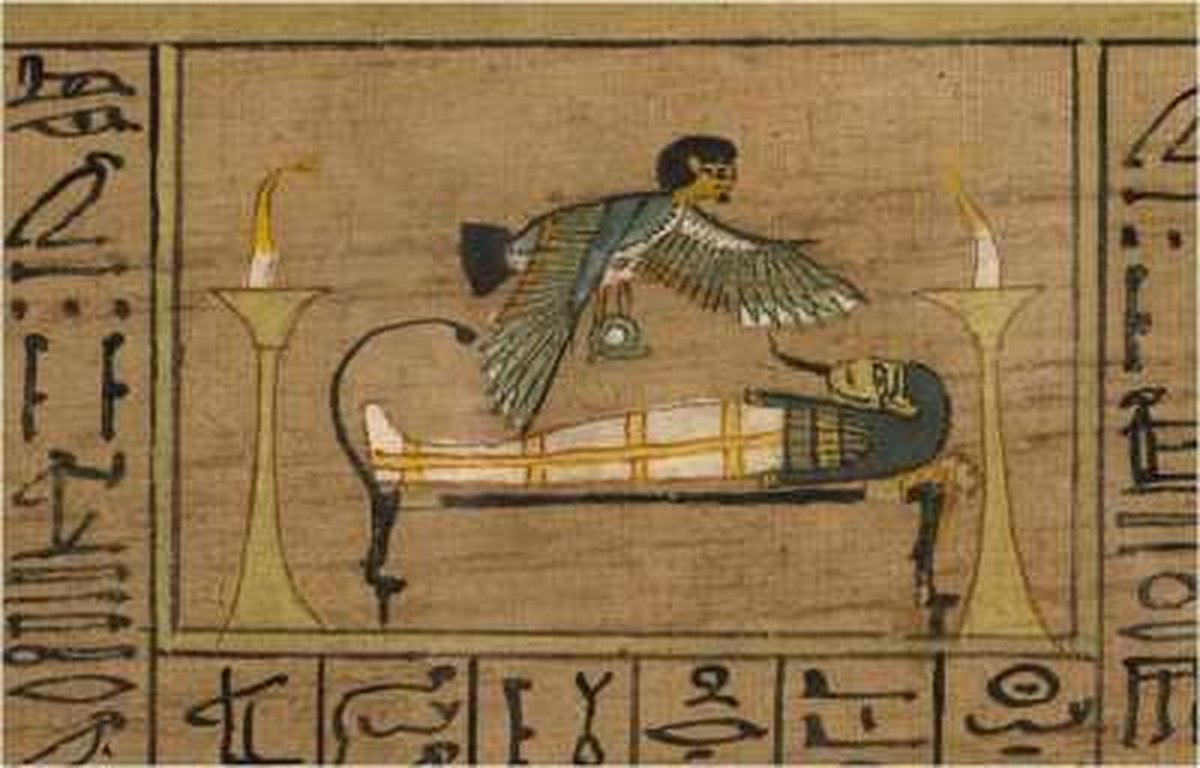
The Dialogue of a Man with His Ba (in German, Der Lebensmüde, "the one weary of life") is one of the great literary works of the Middle Kingdom. A man tired of the world argues with his ba over a single question: death or life? He wants to die and rest in the "West", the realm of the dead; his ba wants him to live and enjoy a happy day. The ba is one of the parts that make up a person in Egyptian thought and is usually rendered "soul", though it is closer to the person's own presence and his ability to move between worlds. For that reason we keep the word ba in the translation.
The text survives in one Middle Kingdom manuscript, papyrus Berlin P 3024, kept in Berlin, on which almost all study rests. The beginning is lost: damage has taken the first page and a half (about thirty lines), and small fragments of papyrus Amherst 3 give us a few broken words from the missing part. We start with them here, so what you read is not the text from its first word but from roughly the middle of the opening, and every [ ] in the tables marks a gap or a restoration.
The shape is this: prose speeches passed back and forth between the man and the ba (the man appeals to the gods, the ba warns him about burial, tells him to "follow a happy day" and offers short parables), then four poems spoken by the man: "my name reeks", "to whom can I speak today?", "death is before me today" and "he who is yonder". After them comes the ba's closing answer and a colophon in which the scribe says he has reached the end of what he found written. A piece of the third poem appears in our article on the harper's songs, and there is a short practice from the text in Part 2 of the Bastet dictionary.
How to read the tables: each row is one sentence of the text as edited in the TLA (Thesaurus Linguae Aegyptiae), in order. The columns give the hieroglyphs, the transliteration, the transliteration in Arabic letters, the Egyptian Arabic and the English. Under the transliteration a "Source" toggle opens the manuscript line number and the link to that sentence in the TLA. Sentences that survive only as a few broken words are left untranslated, and where scholars disagree about the meaning we say so in a note under the row.
The Arabic is colloquial Egyptian. We translated from the Egyptian itself rather than adapting an existing version, so neither translation should be expected to match any published one word for word. In the poems the lines are set out as verse.
1. The Lost Opening and the Amherst Fragments
The opening is lost. What remains are broken words from papyrus Amherst 3 and the first lines of the Berlin papyrus, and it is not clear who is speaking in them.
| Hieroglyphs | Egyptian (Latin transliteration) | English |
|---|---|---|
| 𓃹𓈖𓏌𓏲𓇼 𓊪𓅱 | wnw.t pw | [...] It is the hour [...] |
| 𓇓𓏲 𓁷𓏤 𓋴𓏏𓍔 | sw Hr st[A] | [...] he, while dragging [...] |
| 𓊃𓅭𓄿𓏲𓀸𓀜 𓏏 | sAw t(w) | [...] Guard yourself [...]! |
| 𓇋𓂻 𓂋𓎢 𓋴𓃀𓇼𓀜𓀀 𓏏𓏲 | [m]i r.k sbA.i tw | [Come] now, that I may instruct you [...] |
| 𓎢 𓇋𓐍𓂋𓃭𓏲𓅪𓏥 𓈖 𓋀𓏏𓈉 | .k ixr.w n(.i) imn.tSourcepAmherst 3, J-K.4 – TLAGap in the papyrus. The "West" is the realm of the dead, where the sun sets. | [...] you, the hostile nature (?) of the West [...] |
| 𓏏𓈖𓏥 𓂋 𓆓𓂧 | tn r Dd | [...] you (plural), in order to say [...] |
| 𓂜 𓈖𓌰𓅓𓂝𓀁𓈖 𓄓𓏤𓄹𓈖𓏥 | n nma.n [ns].[s]nSourcepBerlin P 3024, l. 2 – TLAThe first lines of the Berlin papyrus; part of the word "tongue" is restored. | Their tongue is not partial. |
| 𓏲 𓂋 𓂧𓃀𓅡𓄿𓏲𓌥𓏛𓏥 | [i]w r dbA.w | [...] It is for compensation (or bribery) [...] |
| 𓂜 𓈖𓌰𓅓𓂝𓀁𓈖 𓄓𓄹𓋴𓈖𓏥 | n nma.n ns.snSourcepBerlin P 3024, l. 3 (cont.) – TLA | Their tongue is not partial. |
2. The Man's First Reply: My Ba Is Against Me
The man opens his mouth to answer the ba. He complains of it and asks Thoth, Khonsu, Re and Isdes to judge and defend him.
| Hieroglyphs | Egyptian (Latin transliteration) | English |
|---|---|---|
| 𓇋𓅱 𓄋𓊪𓏴𓈖𓀀 𓂋𓏤𓀀 𓈖 𓊸𓅡𓏱𓀀 𓅱𓈙𓃀𓏴𓀁𓀀 𓆓𓂧𓏏𓈖𓆑 | iw wpi.n.i r.i n bA.i wSb.i Dd.t.n.f | I opened my mouth to my ba and answered what he had said: |
| 𓇋𓏲 𓈖𓄿 𓅨𓂋 𓂋𓀀 𓅓𓏇𓈖𓇳 | iw nA wr r.i m-minSourcepBerlin P 3024, l. 5 – TLA | This is too much for me today! |
| 𓂜 𓌃𓂧𓅱𓀁 𓊸𓅡𓏱𓀀 𓎛𓈖𓂝𓀀 | n mdwi bA.i Hna.i | My ba does not speak with me! |
| 𓇋𓅱 𓎼𓂋𓏏 𓅨𓂋 𓂋 𓂝𓃀𓂝𓀁 | iw gr.t wr r abaSourcepBerlin P 3024, l. 6 (cont.) – TLA | It is greater than exaggeration! |
| 𓇋𓅱 𓏇𓇋 𓅱𓊃𓆑𓂻𓀀 | iw mi wsf.iSourcepBerlin P 3024, l. 6 (cont.) – TLA | It is like neglecting me. |
| 𓇋𓅓𓂜 𓈝𓅓𓂻 𓊸𓅡𓏱𓀀 | imi Sm bA.iSourcepBerlin P 3024, l. 7 – TLA | May my ba not go away! |
| 𓊢𓂝𓂻𓆑 𓈖𓀀 𓁷𓂋𓋴 | aHa.f n.i Hr.sSourcepBerlin P 3024, l. 7 (cont.) – TLA | May he stand by me in this! |
| 𓂜𓈖𓆑𓆑 𓅓 𓄡𓏏𓏤𓀀 𓅓 𓍱𓈖𓏌𓏲𓍢 𓈖𓍇𓏌𓏲𓎛𓍢 | nn.f.f m X.t.i m Snw nwH | He shall not [...] from my body with a net and rope (?). |
| 𓂜𓈖 𓆣𓂋 𓅓𓂝𓆑 𓂋𓅱𓇋𓂻𓆑 𓉔𓂋𓅱𓇳 𓋴 | nn xpr m-a.f rwi.f hrw [q]s[n.t]SourcepBerlin P 3024, l. 10 – TLA | It will not come about through him that he leaves on the day of trouble. |
| 𓅓𓂝𓏏𓈖𓏥 𓊸𓅡𓏱𓀀 𓁷𓏤 𓏏𓉔𓏏𓂾𓂻𓀀 𓂜 𓄔𓅓𓈖𓀀 𓈖𓆑 𓁷𓏤 𓋴𓏏𓍔𓄿𓋴𓍬𓂻𓀀 𓂋 𓅓𓏏𓏱 𓂜 𓇍𓇋𓏏𓂻𓀀 𓈖𓆑 𓁷𓏤 𓆼𓄿𓂝𓀜𓀀 𓁷 𓐍𓏏𓊮 𓂋 𓋴𓌳𓄿𓅓𓏏𓊮𓀀 | m.tn bA.i Hr thi.t.i n sDm.n.i n.f Hr stA.i r m(w)t n iyi.t.<i> n.f Hr xAa.<i> Hr x.t r smAm.t.iSourcepBerlin P 3024, l. 11–13 – TLA | Look! My ba wrongs me, though I do not listen to him; he drags me to death before I have come to it, and he throws me on the fire to burn me. |
| 𓏏𓎢𓂻𓆑 𓇋𓅓𓀀 𓉔𓂋𓅱𓇳𓏤 𓈎𓋴𓌟𓈖𓏏𓅪𓏥 | tk<n>.f im.i hrw qsn.tSourcepBerlin P 3024, l. 15 – TLA | May he draw near to me on the day of trouble! |
| 𓊢𓂝𓂻𓆑 𓅓 𓊪𓆑 𓐞𓏤 𓏇𓇋 𓁹 𓈖𓅘𓎛𓊪𓅱𓀁𓀀 | aHa.f m pf gs mi iri nHp.w | May he stand on that other side, as the one who praises (?) does. |
| 𓊪𓅬𓄿 𓇋𓋴 𓊪𓅱 𓉐𓂋𓂋𓂻 𓏎𓈖𓆑 𓇓𓅱 𓂋𓆑 | pA is pw prr ini.f sw r.f | This is one who comes forth to bring him to himself (?). |
| 𓊸𓅡𓏱𓀀 𓅱𓐍𓆼𓄿𓅪 𓂋 𓊃𓂧𓎛𓀁 𓄿𓉔𓅪 𓁷𓏤 𓋹𓈖𓐍 𓇋𓉔𓅓𓀜 𓅱𓀀 𓂋 𓅓𓏏𓏱 𓂜 𓇍𓇋𓏏𓂻𓀀 𓈖𓆑 | bA.i wxA r sdH Ah(.w) Hr anx ihm wi r m(w)t n iyi.t.i n.fSourcepBerlin P 3024, l. 18–19 – TLASome scholars read "push me towards death", but the context favours "hold me back from it". | O my ba, too foolish to ease the misery of life, who hold me back from death before I have come to it, (make the West pleasant for me)! |
| 𓋴𓇛𓈖𓆓𓅓𓏛 𓈖𓀀 𓋀𓏏𓈉 | snDm n.i imn.tSourcepBerlin P 3024, l. 20 – TLA | Make the West pleasant for me! |
| 𓇋𓈖𓇋𓅱 𓈎𓋴𓌟𓈖𓏏𓅪 𓊪𓏲 | in-iw qsn.t pwSourcepBerlin P 3024, l. 20 (cont.) – TLA | Is it something difficult? |
| 𓊪𓄡𓂋𓏏𓄲𓇳 𓊪𓅱 𓋹𓈖𓐍 | pXr.t pw anxSourcepBerlin P 3024, l. 21 – TLA | Life is a cycle. |
| 𓇋𓅱 𓆱𓏏𓏤𓏥 𓐍𓂋𓀒𓋴𓈖𓏥 | iw xt.w xr.snSourcepBerlin P 3024, l. 21 (cont.) – TLA | Even the trees, they fall. |
| 𓐍𓈖𓏏𓂧𓂾𓂻 𓂋𓎢 𓁷𓏤 𓇋𓋴𓆑𓏏𓅪𓏥 𓍯𓄿𓎛𓎝𓏛 𓌳𓄿𓇋𓂋𓌗𓅪𓀀 | xnd r.k Hr isf.t wAH mAir.iSourcepBerlin P 3024, l. 22 – TLA | Tread on injustice, while my misery lasts! |
| 𓅱𓆓𓂝𓏛 𓅱𓀀 𓅝𓏏𓏭𓅆 𓎛𓊵𓏏𓊪 𓊹𓏤𓏥 | wDa wi DHwti Htp nTr.wSourcepBerlin P 3024, l. 23–24 – TLA | May Thoth, who satisfies the gods, judge me. |
| 𓐍𓊃𓆑𓍚𓀜 𓐍𓈖𓇓𓅱𓅆 𓁷𓂋𓀀 𓏞𓀀 𓅓 𓌳𓐙𓂝𓏏𓏯𓏛 | xsf xnsw Hr.i zXA.w m mAa.tSourcepBerlin P 3024, l. 25 – TLA | May Khonsu, the scribe of truth, defend me. |
| 𓄔𓅓 𓂋𓂝𓇳𓏤𓅆 𓌃𓂧𓅱𓀁𓀀 𓊃𓎼𓀝 𓅱𓇋𓄿𓇳𓊛 | sDm ra mdw.i sg wiA-raSourcepBerlin P 3024, l. 26 – TLA | May Re, who steers the sun barque, hear my words. |
| 𓐍𓊃𓆑𓍚𓀜 𓇋𓋴𓂧𓊃𓏊𓅆 𓁷𓂋𓀀 𓅓 𓂝𓏏𓉐 𓂦 𓈖𓏏𓏏 𓋴𓐟𓄿𓂋𓌗𓅪𓀀 𓅱𓂧𓈖𓍖𓏛 𓅓 𓄿𓍿𓊪𓅱𓀋𓏛𓏥 𓆑𓄿𓀋𓂝𓈖𓆑 𓈖𓀀 | xsf isds Hr.i m a.t Ds[r.t] [Hr]-n.tt sAr.i wdn m [Atp.w] fAi.n.f n.i | May Isdes defend me in the sacred chamber, for my need weighs heavy with the load he has weighed out for me. |
| 𓈖𓆓𓇛𓅓𓏛 𓐍𓋴𓆑𓍚𓀜 𓊹𓏤𓏥 𓈙𓏏𓍔𓄿𓏛𓏥 𓄡𓏏𓏤𓀀 | nDm xsf nTr.w StA.w X.t.iSourcepBerlin P 3024, l. 30 – TLAProbably the hidden matter within; the interpretation is uncertain. | It would be sweet if the gods repelled the secret of my body. |
3. "You Are No Man!" and the Man's Offer to the Ba
The ba rebukes the man for turning away from life, and the man replies: if the ba listens and goes with him to the West it will find rest; if it holds him back from death it will find none.
| Hieroglyphs | Egyptian (Latin transliteration) | English |
|---|---|---|
| 𓆓𓂧𓏏𓈖 𓈖𓀀 𓊸𓅡𓏱𓀀 | Dd.t.n n.i bA.iSourcepBerlin P 3024, l. 31 – TLA | What my ba said to me: |
| 𓂜 𓈖𓏏𓎢 𓇋𓋴 𓊃𓀀𓏤 | n ntk is zSourcepBerlin P 3024, l. 31 (cont.) – TLA | You are no man! |
| 𓇋𓅱𓎢 𓏏𓂋𓆳𓀁 𓋹𓈖𓐍𓏏 | iw.k tr anx.t(i)SourcepBerlin P 3024, l. 32 – TLA | Are you even alive? |
| 𓊪𓏏𓂋𓆳 𓆎𓅓𓏛𓎢 | ptr km.kSourcepBerlin P 3024, l. 32 (cont.) – TLA | What do you gain by it? |
| 𓎔𓂝𓇋𓇋𓀁𓎢 𓁷𓏤 𓋹𓈖𓐍 𓏇𓇋 𓎟𓀀𓊢𓂝𓉳𓏛𓏥𓀀 | mHi.y.k Hr anx mi nb-aHa.wSourcepBerlin P 3024, l. 33 – TLA | You ought to care for life like an owner of wealth. |
| 𓆓𓂧𓀀 | Dd.iSourcepBerlin P 3024, l. 33 (cont.) – TLAWho speaks from here to "you will not be cared for" is disputed among scholars. | I would say: |
| 𓂜 𓈝𓅓𓂻𓀀 | n Sm.iSourcepBerlin P 3024, l. 33 (cont.) – TLA | I have not gone. |
| 𓇋𓏲 𓈖𓆑𓄿 𓂋 𓇾𓈇𓏤 | iw nfA r tA | And that is for the earth. |
| 𓈖𓈞𓅓𓂝𓈖 𓏏𓏲 𓁷𓏤 𓏏𓆑𓇋𓇋𓏏𓂾𓂻𓏥 | nHm-n tw Hr tf.ytSourcepBerlin P 3024, l. 34 (cont.) – TLA | Surely you are skipping away. |
| 𓂜𓈖 𓈖𓍇𓏌𓏲𓏏𓍢𓂝𓎢 | nn nwi.t(w).kSourcepBerlin P 3024, l. 35 – TLA | No one will take care of you. |
| 𓐍𓈖𓂋𓇋𓂉𓀁𓀀 𓎟 𓁷𓏤 𓆓𓂧 | xnri nb Hr DdSourcepBerlin P 3024, l. 35 (cont.) – TLA | Every criminal says: |
| 𓇋𓅱𓀀 𓂋 𓎁𓏏𓀜𓎢 | iw.i r iTi(.t).kSourcepBerlin P 3024, l. 36 – TLA | "I will seize you!" |
| 𓇋𓅱 𓎼𓂋𓏏𓎢 𓅓𓏏𓏱 | iw gr.t.k m(w)t(.ti)SourcepBerlin P 3024, l. 36 (cont.) – TLA | But you are already dead, |
| 𓂋𓈖𓎢 𓋹𓈖𓐍 | rn.k anxSourcepBerlin P 3024, l. 37 – TLA | only your name is alive. |
| 𓊨𓏏𓉐 𓈖𓆑𓄿 𓈖𓏏 𓐍𓈖𓏏𓅯𓂻 𓂝𓆑𓂧𓏛 𓈖𓏏 𓄣𓏤 | s.t nfA n.t xni.t afd<.t> n.t ib | That place yonder is a resting place, a goal for the heart (?). |
| 𓂧𓏇𓇋𓈇𓏤 𓊪𓅱 𓋀𓏏𓈉 𓂙𓈖𓏏𓊛 𓁷𓏤 | dmi pw imn.t Xni.t Hr | The West is a landing place; the difficult voyage [...] face (?) [...] |
| 𓇋𓂋 𓄔𓅓 𓈖𓀀 𓊸𓅡𓏱𓀀 𓂜 𓏏𓍔𓄿𓀜 𓏏𓏏𓀾𓏛 𓄣𓏤𓆑 𓎛𓈖𓂝𓀀 𓇋𓅱𓆑 𓂋 𓅓𓂝𓂋𓐬𓏛 | ir sDm n.i bA.i iw[.ti] [b]tA t(w)t ib.f Hna.i iw.f r mar | If my ba listens to me, and I am without wrongdoing, and his heart agrees with mine, he will be happy. |
| 𓂋𓂝𓀀 𓊪𓎛𓄖𓂻𓆑 𓋀𓏏𓈉 𓏇𓇋 𓈖𓏏𓏭 𓅓 𓍋𓅓𓂋𓉳𓆑 𓊢𓂝𓂻𓈖 𓁷𓂋𓇯𓇾𓈇𓏤𓀀 𓁷𓏤 𓈎𓂋𓋴𓆱𓆑 | rDi.i pH.f imn.t mi n.ti m mHr.f aHa.n Hr(.i)-tA Hr qrs.f | I shall let him reach the West, like one who lies in his pyramid after a survivor has stood by his coffin. |
| 𓇋𓅱𓀀 𓂋 𓁹𓏏 𓈖𓇋𓄿𓇋𓋼 𓁷𓏤 𓆞𓄿𓏏𓐎𓏥𓎢 𓊃𓆓𓂧𓅓𓀁𓎢 𓎢𓇋𓇋 𓊸𓅡𓏱 𓅓 𓇑𓇑𓈖𓈖𓏌𓏲𓀉 | iw.i r iri.t niAi [Hr] XA.t.w.k sDdm.k ky bA m nnwSourcepBerlin P 3024, l. 44–45 – TLAThe meaning of the first noun and of the second verb is uncertain. | I shall make a fan (?) over your corpse, so that you make another ba, a weary one, envy you. |
| 𓇋𓅱𓀀 𓂋 𓁹𓏏 𓈖𓇋𓄿𓇋𓋼 𓇋𓐍𓏛 𓍃𓅓𓆑 𓎛𓎿𓊃𓅱𓊡 𓊃𓆓𓂧𓅓𓀁𓎢 𓎢𓇋𓇋 𓊸𓅡𓏱 𓈖𓏏 𓏏𓍔𓄿𓅱𓊮 | iw.i r iri.t niAi ix tm.f Hs.w sDdm.k ky bA n.t<i> tA.wSourcepBerlin P 3024, l. 46–47 – TLAA difficult clause; some scholars understand "so that he does not burn". | I shall make a fan (?) so that he is not chilled (?), so that you make another ba, one scorched by the heat, envy you. |
| 𓋴𓅨𓂋𓇋𓀁𓀀 𓈗 𓁷𓏤 𓃀𓅡𓄿𓃀𓅡𓄿𓏏𓈗 𓍿𓊃𓇋𓇋𓍞𓀜𓀀 𓆅𓇋𓇋 𓊃𓆓𓅓𓀁𓎢 𓎢𓇋𓇋 𓊸𓅡𓏱 𓈖𓏏𓏭 𓎛𓈎𓂋𓅪 | swri.i mw Hr bAbA.t Tsi.y.i Swy[.t] sD<d>m.k ky bA n.ti Hqr | I shall drink water at the eddy (?) and raise up shade (or: heap up vegetables), so that you make another ba, a hungry one, envy you. |
| 𓇋𓂋 𓉔𓇋𓅓𓂝𓎢 𓅱𓀀 𓂋 𓅓𓏏𓏱 𓅓 𓊪𓅯𓄿 𓈎𓇋𓀾𓏛 𓂜𓈖 𓅠𓅓𓎢 𓐍𓈖𓏏𓅯𓂻𓎢 𓁷𓂋𓋴 𓅓 𓋀𓏏𓈉 | ir <i>hm.k wi r m(w)t m pA qi nn gmi.k xni.t.k Hr.s m imn.tSourcepBerlin P 3024, l. 50–51 – TLA | But if you hold me back from death like this, you will find no place to rest in the West. |
| 𓍯𓄿 𓄣𓏤𓎢 𓊸𓅡𓏱𓀀 𓌢𓈖𓀀 𓂋 𓆣𓂋𓏏 𓃚𓂝𓅱𓄯𓀀 𓂧𓂋𓊪𓂞𓏏𓏭𓆑𓏭 𓊢𓂝𓏏𓂻𓆑𓏭 𓁷𓏤 𓇉𓄿𓏏𓉐 𓉔𓂋𓅱𓇳𓏤 𓈎𓂋𓋴𓀾𓀜 𓋴𓐟𓄿𓇋𓇋𓏛𓆑 𓎛𓆰𓈖𓎢𓇋𓇋𓏏𓂠𓋳𓏤 𓈖𓏏 𓂋𓈉 | wA[H] ib.k bA.i sn.i r xpr.t iwa.w.i drp.ti.fi aHa.t(i).fi Hr HA.t hrw qrs sAi.y.f Hnk.yt n.t Xr.t-nTr | Be patient, my ba, my brother, until my heir has grown up, one who will make offerings and stand at the tomb on the day of burial and prepare the bier of the necropolis. |
4. The Ba's Second Speech: Burial and Parables
The ba replies: a funeral is heartache, even the pyramid builders died, so enjoy a happy day. Then it tells parables of the humble farmer, the storm that takes his family, and the man who asks for supper.
| Hieroglyphs | Egyptian (Latin transliteration) | English |
|---|---|---|
| 𓇋𓅱 𓄋𓊪𓏴𓈖 𓈖𓀀 𓊸𓅡𓏱𓀀 𓂋𓏤𓆑 𓅱𓈙𓃀𓏴𓀁𓆑 𓆓𓂧𓏏𓈖𓀀 | iw wpi.n n.i bA.i r.f wSb.f Dd.t.n.i | Then my ba opened his mouth to me and answered what I had said. |
| 𓇋𓂋 𓊃𓐍𓆼𓄿𓀁𓎢 𓈎𓂋𓋴𓊭 𓈖𓇉𓄿𓏏𓐎𓏥𓄣𓏤 𓊪𓏲 | ir sxA.k qrs nHA.t-ib pwSourcepBerlin P 3024, l. 57 – TLA | If you call a burial to mind, it is heartache! |
| 𓏎𓈖𓏏 𓂋𓅓𓇋𓇋𓏏𓁹 𓊪𓏲 𓅓 𓋴𓇋𓆛𓈖𓂧𓅪 𓊃𓀀𓏤 | ini.t rm.yt pw m sind zSourcepBerlin P 3024, l. 58 – TLA | It brings tears by making a man sad. |
| 𓄞𓂧𓏏𓂝 𓊃𓀀𓏤 𓊪𓏲 𓅓 𓉐𓏤𓆑 𓆼𓄿𓂝𓀜 𓁷𓏤 𓈎𓄿𓄿𓀠𓈇𓏤 | Sdi.t z pw m pr.f xAa Hr qAASourcepBerlin P 3024, l. 59 – TLA | It is taking a man out of his house and casting him on the hill. |
| 𓂜𓈖 𓉐𓂋𓂻𓈖𓎢 𓂋𓁷𓂋𓏲𓇯 𓌳𓁹𓄿𓎢 𓂋𓂝𓇳𓏤𓅆𓏥 | nn pri.n.k r-Hr.w mA.k raSourcepBerlin P 3024, l. 60 – TLA | You will never go up to see Re! |
| 𓐪𓂧𓏌𓀢𓀜𓅱𓀀𓏥 𓅓 𓇋𓈖𓂋𓊌 𓈖 𓌳𓄿𓏏𓊌 𓐍𓂝𓅱𓋴𓀜𓉱𓏥 𓅓 𓍋𓅓𓂋𓉳 𓄤𓆑𓂋𓅱𓏥 𓅓 𓂓𓄿𓏏𓀋𓏛𓏥 𓄤𓆑𓂋𓏏 𓆣𓂋 𓋴𓐪𓂧𓏌𓅱𓀢𓀀𓏥 𓅓 𓊹𓏤𓏥 𓂝𓃀𓅡𓄿𓅱𓌂𓏥 𓇋𓂋𓏭 𓅱𓈙𓅱𓁸 𓏇𓇋 𓇑𓇑𓈖𓏌𓏲𓀉𓀀𓏥 𓅓𓏏𓏥𓏱 𓁷𓏤 𓌸𓂋𓇋𓇋𓏏𓈇𓏤 𓈖 𓎼𓄿𓅱𓎣𓅪 𓁷𓂋𓇯𓇾𓈇𓏤𓀀 𓎁𓏏𓀜𓈖 𓈖𓍇𓏌𓏲𓇋𓇋𓈗 𓄖𓆑𓏭 𓇶𓅆 𓅓𓏇𓏏𓏏𓏛𓇋𓂋𓏭 𓌃𓂧𓅱𓀁 𓈖𓋴𓈖𓏥 𓂋𓅓𓅱𓆟𓏥 𓈖 𓊃𓊪𓏏𓂏 𓈖 𓈗 | qd.w m inr n(.i) mAt xwsi.pL m mHr<.w> nfr.w m kA.t nfr.t xpr sqd.w m nTr.w abA.w ir.i wS.w mi nn.w m(w)t.w Hr mr.yt n gA.w Hr(.i)-tA iTi.n nwy pH(.wi).fi iAxw m-mi.tt-ir.i mdwi n.sn rm.w <n.w> sp.t.wy n(.t) mwSourcepBerlin P 3024, l. 61–67 – TLAThe point: even pyramids did not save their builders from being forgotten. | Those who built in blocks of granite and raised finished pyramids in fine work, so that the builders became gods: their offering tables are desolate, like those of the weary dead who died on the bank with no survivor, when the flood has taken its share and the sunlight too, and only the fish at the water's edge speak to them. |
| 𓄔𓅓 𓂋𓎢 𓈖𓀀 | sDm r.k n.iSourcepBerlin P 3024, l. 67 (cont.) – TLA | Listen to me! |
| 𓅓𓂝𓎢 𓄤𓆑𓂋 𓄔𓅓 𓂋 𓂋𓍿𓀀𓁐𓏥 | m.k nfr sDm n r(m)T.wSourcepBerlin P 3024, l. 67 (cont.) – TLA | See, it is good for people to listen. |
| 𓌞𓋴𓂻 𓉔𓂋𓅱𓇳𓏤 𓄤𓆑𓂋 | Sms hrw nfrSourcepBerlin P 3024, l. 68 – TLA | Follow a happy day! |
| 𓋴𓅓𓐍𓂜 𓎔𓂝𓀁 | smx mHSourcepBerlin P 3024, l. 68 (cont.) – TLA | Forget care! |
| 𓇋𓏲 𓈖𓆓𓊃𓅪𓀀 𓋴𓂓𓄿𓍁𓂝𓆑 𓄞𓂧𓅱𓈇𓏤𓆑 | iw nDs skA.f Sd.w.fSourcepBerlin P 3024, l. 69 – TLA | A humble man ploughs his plot, |
| 𓇋𓏲𓆑 𓄿𓊪𓀋𓂝𓆑 𓈙𓈗𓌽𓏥𓆑 𓂋𓄚𓈖𓏌𓏲𓉐 𓂧𓊪𓏏𓊛 𓋴𓏏𓍔𓄿𓋴𓍬𓂻𓆑 𓋴𓐪𓂧𓏌𓅱𓏏𓊛 | iw.f A<t>p.f Sm.w.f r-Xnw dp.t stA.f sqd.wtSourcepBerlin P 3024, l. 70 – TLA | he loads his harvest into a boat and tows it for a stretch. |
| 𓎛𓃀𓎱𓆑 𓏏𓎢𓈖𓂻 𓌳𓁹𓄿𓈖𓆑 𓉐𓂋𓏏𓂻 𓅱𓐍𓏏𓇰 𓈖𓏏 𓎔𓎛𓇋𓇋𓏏𓊡 𓂋𓋴𓁹 𓅓 𓂧𓊪𓏏𓊛 | H(A)b.f tkn mA.n.f pri.t wx.t n.t mH.yt rs m dp.tSourcepBerlin P 3024, l. 71–72 – TLASome scholars take "his sorrow is near"; either way the tone is ironic. | His festival is near, when he has seen the darkness of the north wind rising, as he keeps watch in the boat. |
| 𓂋𓂝𓇳𓅆 𓁷𓏤 𓅧𓈎𓂻 𓉐𓂋𓂻 𓎛𓈖𓂝 𓈞𓏏𓁐𓆑 𓄟𓊃𓅱𓀔𓀀𓁐𓏥𓆑 𓄿𓈎𓅪 𓁶𓏤 𓈙𓏤𓈇 𓍱𓈖𓆊 𓅓 𓎼𓂋𓎛𓇰 𓌨𓂋 𓌸𓂋𓇋𓇋𓏏𓆊𓏥 | ra Hr aq pri<.t> Hna Hm.t.f ms.w.f Aq tp S Sn m grH Xr mr.yt | Re sets and rises, while his wife and children perish by the crocodile-infested pool in the night, because of those who live on the bank. |
| 𓇥𓂋𓇋𓈖𓆑 𓈞𓋴𓀔 𓊪𓊃𓈙𓏴𓏛𓆑 𓅓 𓊤𓏲𓀁 𓁷𓏤 𓆓𓂧 | Dr.in.f Hmsi psS.f m xrw Hr DdSourcepBerlin P 3024, l. 76 – TLA | In the end he sits and speaks in a broken voice: |
| 𓂜 𓂋𓅓𓁹𓀀 𓈖 𓏏𓆑𓄿 𓄟𓋴𓏏𓁒 | n rmi.i n tfA ms.tSourcepBerlin P 3024, l. 77 – TLA | I have not wept for her over there who gave birth (my wife). |
| 𓂜𓈖 𓈖𓋴 𓉐𓂋𓏏𓂻 𓅓 𓋀𓏏𓈉 𓂋 𓎢𓏏 𓁷𓏤 𓇾𓈇𓏤 | nn n.s pri.t m imn.t r k.t Hr tASourcepBerlin P 3024, l. 78 – TLA | There is no coming forth for her from the West to another life on earth. |
| 𓎔𓂝𓇋𓇋𓀁𓀀 𓁷𓏤 𓄟𓋴𓏲𓀔𓀀𓁐𓏥𓋴 𓊃𓂧𓅱𓏴 𓅓 𓊃𓅱𓎛𓏏𓐎 𓌳𓁹𓄿𓏲𓏥 𓁷𓏤 𓈖 𓏃𓈖𓏏𓏭𓆊𓅆 𓂜 𓋹𓈖𓐍𓏏𓋴𓈖𓏥 | mHi.y.i Hr ms.w.s sd.w m swH.t mA.w Hr n(.i) xnti n anx.t.snSourcepBerlin P 3024, l. 79–80 – TLA | I grieve for her children, broken in the egg, who saw the face of the crocodile Khenty before they had lived. |
| 𓇋𓏲 𓈖𓆓𓊃𓅪𓀀 𓂧𓃀𓎛𓄑𓀁𓆑 𓅓𓂝𓈙𓂋𓃭𓅱𓏏𓇳𓏥 | iw nDs dbH.f mSr.wtSourcepBerlin P 3024, l. 80 (cont.) – TLA | A humble man asks for supper, |
| 𓇋𓅱 𓈞𓁐𓆑 𓆓𓂧𓋴 𓈖𓆑 | iw Hm<.t>.f Dd.s n.fSourcepBerlin P 3024, l. 81 – TLA | and his wife says to him: |
| 𓇋𓅱 𓂋 𓄟𓋴𓇋𓇋𓏏𓈀𓏥 | iw r ms.ytSourcepBerlin P 3024, l. 81 (cont.) – TLA | "It is for the evening meal." |
| 𓇋𓅱𓆑 𓉐𓂋𓂻𓆑 𓂋𓏃𓈖𓏏𓅱𓈇𓏤 𓂋 𓋴𓋴𓎀 𓂋 𓄿𓏏𓏯𓇳 | iw.f pri.f r-xnt.w r ssT r A.t | He goes out in order to [...] for a moment. |
| 𓂝𓈖𓈖𓂽𓆑 𓇓𓏲 𓂋 𓉐𓆑 𓇋𓅱𓆑 𓏇𓇋 𓎢𓇋𓇋𓀀 | ann.f sw r pr.f iw.f mi kySourcepBerlin P 3024, l. 83 – TLA | When he turns back to his house he is like a stranger. |
| 𓈞𓏏𓁐𓆑 𓁷𓏤 𓈙𓋴𓐟𓄿𓄃𓏛 𓈖𓆑 | Hm.t.f Hr SsA n.fSourcepBerlin P 3024, l. 84 – TLA | His wife tries to talk sense into him, |
| 𓂜 𓄔𓅓𓈖𓆑 𓈖𓋴 𓋴𓎀𓅪𓈖𓆑 𓅱𓈙𓅪 𓄣𓏤 𓈖 𓄋𓊪𓅱𓅂𓀀𓏥 | n sDm.n.f n.s sT.n.f wS ib n wpw.ti.w | but he does not listen to her, [...] his heart empty of messengers (?). |
5. First Poem: My Name Reeks
| Hieroglyphs | Egyptian (Latin transliteration) | English |
|---|---|---|
| 𓇋𓏲 𓄋𓊪𓏴𓈖𓀀 𓂋𓏤𓀀 𓈖 𓊸𓅡𓏱𓀀 𓅱𓈙𓃀𓏴𓀁𓀀 𓆓𓂧𓏏𓈖𓆑 | iw wpi.n.i r.i n bA.i wSb.i Dd.t.n.f | I opened my mouth to my ba and answered what he had said: |
| 𓅓𓂝𓎢 𓃀𓂝𓎛𓆜𓀁 𓂋𓈖𓀀 𓅓𓂝𓎢 𓂋 𓋴𓏏𓐎 𓄿𓋴𓏲𓅯𓏥 𓅓 𓉔𓂋𓅱𓇳𓏤𓏥 𓈙𓈗𓇳 𓊪𓏏𓇯 𓏏𓍔𓄿𓏏𓊮 | m.k baH rn.i m-a.k r st(i) As.w m hrw.w Sm.w p.t tA.t(i)SourcepBerlin P 3024, l. 87–88 – TLA | Look, my name reeks because of you, more than the stench of vultures on summer days when the sky is hot. |
| 𓅓𓂝𓎢 𓃀𓂝𓎛𓆜𓀁 𓂋𓈖𓀀 𓅓𓂝𓎢 𓂋 𓋴𓍿𓐎 𓊏𓊪𓂝 𓋴𓃀𓈖𓏌𓏲𓆟 𓅓 𓉔𓂋𓅱𓇳𓏤 𓂋𓊃𓆑𓅯𓏥 𓊪𓏏𓇯 𓏏𓍔𓄿𓏏𓊮 | m.k baH rn.i m-a.k <r> <st(i)> Szp sbn.w m hrw rsf p.t tA.t(i)SourcepBerlin P 3024, l. 89–90 – TLAThe fish name is uncertain, and "more than" is omitted in the original and supplied by the TLA. | Look, my name reeks because of you, more than the stench of sbn-fish (?) on a day of fishing when the sky is hot. |
| 𓅓𓂝𓎢 𓃀𓂝𓎛𓆜𓀁 𓂋𓈖𓀀 𓅓𓂝𓎢 𓂋 𓋴𓏏𓐎 𓄿𓊪𓋴𓅱𓅯𓏥 𓂋 𓃀𓍯𓄿𓏏𓈇𓏤 𓈖𓏏 𓏏𓂋𓇋𓆵𓆰𓏥 𓌨𓂋 𓄟𓋴𓇋𓇋𓏏𓅯𓏥 | m.k baH rn.i m-a.k r st(i) Ap<d>w.w r bwA.t n.t tri Xr ms.ytSourcepBerlin P 3024, l. 91–93 – TLA | Look, my name reeks because of you, more than the stench of birds in the reed thicket full of waterfowl. |
| 𓅓𓂝𓎢 𓃀𓂝𓎛𓆜𓀁 𓂋𓈖𓀀 𓅓𓂝𓎢 𓂋 𓋴𓏏𓐎 𓇉𓄿𓅓𓅱𓀜 𓂋 𓆼𓄿𓊃𓅱𓏴𓈇𓏤𓏥 𓏌𓏤 𓅹𓈇𓏤𓏥 𓇉𓄿𓅓𓀜𓈖𓋴𓈖𓏥 | m.k baH rn.i m-a.k r st(i) HAm.w<.w> r xAs.w n.w zS.w HAm.n.snSourcepBerlin P 3024, l. 94–95 – TLA | Look, my name reeks because of you, more than the stench of fishermen by the creeks of the marshes after they have fished. |
| 𓅓𓂝𓎢 𓃀𓂝𓎛𓆜𓀁 𓂋𓈖𓀀 𓅓𓂝𓎢 𓂋 𓋴𓏏𓐎 𓅓𓋴𓎛𓏲𓆊𓏥 𓂋 𓈞𓋴𓏏𓀔 𓌨𓂋 𓐖𓈇𓏤𓏥 𓌨𓂋 𓌸𓂋𓂋𓇋𓇋𓏏𓆊𓏥 | m.k baH rn.i m-a.k r st(i) msH.w r Hmsi.t Xr aD.w Xr mr.ytSourcepBerlin P 3024, l. 96–97 – TLA | Look, my name reeks because of you, more than the stench of crocodiles, more than sitting beneath the crocodiles' banks. |
| 𓅓𓂝𓎢 𓃀𓂝𓎛𓆜𓀁 𓂋𓈖𓀀 𓅓𓂝𓎢 𓂋 𓊃𓏏𓈞𓏏𓁐 𓆓𓂧𓆓𓂧 𓎼𓂋𓍅𓀁 𓂋𓋴 𓈖 𓅷𓄿𓇋𓇋𓂺𓀀 | m.k baH rn.i m-a.k r s.t-Hm.t Dd grg r.s n TAySourcepBerlin P 3024, l. 98–99 – TLA | Look, my name reeks because of you, more than the name of a woman of whom a lie has been told to her husband. |
| 𓅓𓂝𓎢 𓃀𓂝𓎛𓆜𓀁 𓂋𓈖𓀀 𓅓𓂝𓎢 𓂋 𓄡𓂋𓂧𓀔𓀀 𓈎𓈖𓀜 𓆓𓂧 𓂋𓆑 𓇋𓏲𓆑 𓇋𓏲𓆑 𓈖 𓄟𓋴𓂧𓅱𓀁𓆑 | m.k baH rn.i m-a.k r Xrd qni Dd r.f iw.f . n msd.w.fSourcepBerlin P 3024, l. 100–101 – TLA | Look, my name reeks because of you, more than the name of a brave boy of whom it is said: "He belongs to the one who hates him." |
| 𓅓𓂝𓎢 𓃀𓂝𓎛𓆜𓀁 𓂋𓈖𓀀 𓅓𓂝𓎢 𓂋 𓂧𓏇𓇋𓈇𓏤 𓈖 𓆊 𓍱𓈖𓈖𓀁 𓃀𓈙𓏏𓏲𓂉𓀁 𓌳𓁹𓄿𓄿 𓐟𓏤𓆑 | m.k baH rn.i m-a.k <r> dmi n(.i) it<y> Snn bSt.w mAA sA.f | Look, my name reeks because of you, more than the name of a town belonging to a ruler that plots rebellion as soon as his back is seen. |
6. Second Poem: To Whom Can I Speak Today?
The longest poem: a catalogue of a corrupt world, each stanza opening with the same question.
| Hieroglyphs | Egyptian (Latin transliteration) | English |
|---|---|---|
| 𓆓𓂧𓀀 𓈖 𓅓𓂝 𓏇𓈖𓇳 | Dd.i n m minSourcepBerlin P 3024, l. 103 (cont.) – TLAThe second poem begins here; the question recurs as a refrain. | To whom can I speak today? |
| 𓌢𓈖𓏌𓅱𓀀𓏥 𓃀𓇋𓈖𓅪 | sn.w binSourcepBerlin P 3024, l. 103 (cont.) – TLA | Brothers are evil, |
| 𓐍𓈖𓌰𓅓𓋴𓏲𓀍𓀀𓏥 𓏌𓏤 𓏇𓈖𓇳 𓂜 𓌻𓂋𓀁𓈖𓏭 | xnms.w n.w min n mri.niSourcepBerlin P 3024, l. 104 – TLA | and today's friends do not love one another. |
| 𓆓𓂧𓀀 𓈖 𓅓𓂝 𓏇𓈖𓇳 | Dd.i n m minSourcepBerlin P 3024, l. 105 – TLA | To whom can I speak today? |
| 𓂝𓃹𓈖𓀜 𓄣𓏤𓏥 | awn ib.wSourcepBerlin P 3024, l. 105 (cont.) – TLA | Hearts are greedy, |
| 𓊃𓀀𓏤 𓎟 𓁷𓏤 𓎁𓏏𓏏𓀜 𓐍𓏏𓏛𓏥 𓌢𓈖𓏌𓅱𓀁𓆑𓏭 | z nb Hr iTi.t x.t.w sn.nw.wy.fiSourcepBerlin P 3024, l. 106 – TLA | and everyone seizes his neighbour's goods. |
| 𓆓𓂧𓀀 𓈖 𓅓𓂝 𓏇𓈖𓇳 | <Dd>.<i> <n> <m> <min>SourcepBerlin P 3024, l. 106 (cont.) – TLAThe scribe left half a column blank here; the line is restored from the refrain. | To whom can I speak today? |
| 𓇋𓏲 𓊃𓆑𓂉𓀁 𓄿𓈎𓅪 | iw sf AqSourcepBerlin P 3024, l. 107 – TLA | Gentleness has perished, |
| 𓈖𓆱𓐍𓏏𓀜𓁷𓏤 𓉔𓄿𓏲𓂻 𓈖 𓃀𓏲𓎟𓀀𓁐𓏥 | nxt-Hr hAi.w n bw-nbSourcepBerlin P 3024, l. 107 (cont.) – TLA | and insolence has come down on everyone. |
| 𓆓𓂧𓀀 𓈖 𓅓𓂝 𓏇𓈖𓇳 | Dd.i n m minSourcepBerlin P 3024, l. 108 – TLA | To whom can I speak today? |
| 𓊵𓏏𓊪 𓁷𓏤 𓃀𓇋𓈖𓅪 | Htp Hr binSourcepBerlin P 3024, l. 108 (cont.) – TLA | People are content with the bad, |
| 𓂋𓂝 𓂋𓆑 𓃀𓏲𓄤𓆑𓂋 𓂋 𓇾𓈇𓏤 𓅓 𓊨𓏏𓉐 𓎟𓏏 | rDi r.f bw-nfr r tA m s.t nb.tSourcepBerlin P 3024, l. 109 – TLA | while goodness is thrown to the ground everywhere. |
| 𓆓𓂧𓀀 𓈖 𓅓𓂝 𓏇𓈖𓇳 | Dd.i n m minSourcepBerlin P 3024, l. 110 – TLA | To whom can I speak today? |
| 𓋴𓈍𓂝𓂋𓀁 𓊃𓀀𓏤 𓅓 𓊃𓊪𓊗𓆑 𓃀𓇋𓈖𓅪 𓋴𓋴𓃀𓏏𓄑𓀁𓆑 𓃀𓏲𓎟𓀀𓁐𓏥 𓅓 𓃚𓅱𓅪𓆑 𓈋𓅱𓅪 | sxar z m sp.f bin ssbt.f bw-nb <m> iw.f DwSourcepBerlin P 3024, l. 111 – TLA | The one who once enraged a man with his evil deed now makes everyone laugh with his wicked mischief. |
| 𓆓𓂧𓀀 𓈖 𓅓𓂝 𓏇𓈖𓇳 | Dd.i n m minSourcepBerlin P 3024, l. 112 – TLA | To whom can I speak today? |
| 𓇋𓏲 𓎛𓂝𓍑𓄿𓀜𓏏𓏲 | iw HaDA.twSourcepBerlin P 3024, l. 112 (cont.) – TLA | People plunder, |
| 𓊃𓀀𓏤 𓎟 𓁷𓏤 𓎁𓏏𓏏𓀜 𓐍𓏏𓏛 𓌢𓈖𓏌𓅱𓀀𓆑 | z nb Hr iTi.t <x.t> sn.nw.wy.f(i)SourcepBerlin P 3024, l. 112 (cont.) – TLA | and everyone seizes his neighbour's goods. |
| 𓆓𓂧𓀀 𓈖 𓅓𓂝 𓏇𓈖𓇳 | Dd.i n m minSourcepBerlin P 3024, l. 113 – TLA | To whom can I speak today? |
| 𓃀𓍔𓏏𓅱𓆙 𓃀𓏏𓍔𓄿𓏴𓅪𓀀 𓅓 𓅧𓈎𓂻𓄣𓏤𓀀 | <btA.w> m aq-ibSourcepBerlin P 3024, l. 114 – TLA | The criminal has become the confidant, |
| 𓌢𓈖𓀀 𓁹𓂋 𓎛𓈖𓂝𓆑 𓆣𓂋 𓅓 𓐍𓏏𓆑𓀏 | sn irr Hna.f xpr m xft(.i)SourcepBerlin P 3024, l. 115 – TLA | and the brother one used to go with has become an enemy. |
| 𓆓𓂧𓀀 𓈖 𓅓𓂝 𓏇𓈖𓇳 | Dd.i n m minSourcepBerlin P 3024, l. 115 (cont.) – TLA | To whom can I speak today? |
| 𓂜 𓋴𓆼𓄿𓀁𓏏 𓋵𓇳 | n sxA.t(w) sfSourcepBerlin P 3024, l. 115 (cont.) – TLA | Yesterday is not remembered, |
| 𓂜 𓁹𓏏 𓈖 𓁹𓀀 𓅓 𓏏𓄿 𓄿𓏏𓏯𓇳 | n iri.t(w) n iri m tA A.tSourcepBerlin P 3024, l. 116 – TLA | and no one now acts for the one who has acted. |
| 𓆓𓂧𓀀 𓈖 𓅓𓂝 𓏇𓈖𓇳 | Dd.i n m minSourcepBerlin P 3024, l. 116 (cont.) – TLA | To whom can I speak today? |
| 𓌢𓈖𓏌𓅱𓀀𓏥 𓃀𓇋𓈖𓅪 | sn.w binSourcepBerlin P 3024, l. 117 – TLA | Brothers are evil, |
| 𓏎𓈖𓈖𓏏𓏲 𓅓 𓇥𓂋𓇥𓂋𓅱𓀢𓀀𓏥 𓂋 𓂸𓏏𓏏𓂭𓂭𓏛𓈖𓏏𓄣𓏤 | inn.tw m DrDr.w r mt(i).t-n.t-ibSourcepBerlin P 3024, l. 118 – TLA | and for sincerity of heart people turn to strangers. |
| 𓆓𓂧𓀀 𓈖 𓅓𓂝 𓏇𓈖𓇳 | Dd.i n m minSourcepBerlin P 3024, l. 118 (cont.) – TLA | To whom can I speak today? |
| 𓁷𓏤𓏥 𓎛𓍃𓅓𓅬𓅪 | Hr.w HtmSourcepBerlin P 3024, l. 119 – TLA | Faces are dull, |
| 𓊃𓀀𓏤 𓎟 𓅓 𓁷𓏤 𓅓𓌨𓂋𓅱𓈇𓏤 𓂋 𓌢𓈖𓏌𓅱𓀀𓏥𓆑 | z nb m Hr m-Xr.w r sn.w.fSourcepBerlin P 3024, l. 120 – TLA | and everyone keeps his face lowered towards his brothers. |
| 𓆓𓂧𓀀 𓈖 𓅓𓂝 𓏇𓈖𓇳 | Dd.i n m minSourcepBerlin P 3024, l. 120 (cont.) – TLA | To whom can I speak today? |
| 𓄣𓏤𓏥 𓂝𓃹𓈖𓀜 | ib.w awnSourcepBerlin P 3024, l. 120 (cont.) – TLA | Hearts are greedy, |
| 𓂜𓈖𓃹𓈖 𓄣𓏤 𓈖 𓊃𓀀𓏤 𓂋𓉔𓈖𓂢𓏏𓏲 𓁷𓂋𓏤𓆑 | nn-wn ib n(.i) z rhn.tw Hr.fSourcepBerlin P 3024, l. 121 – TLA | and there is no man's heart one can lean on. |
| 𓆓𓂧𓀀 𓈖 𓅓𓂝 𓏇𓈖𓇳 | Dd.i n m minSourcepBerlin P 3024, l. 122 – TLA | To whom can I speak today? |
| 𓂜𓈖 𓌳𓐙𓂝𓏏𓅂𓏛𓀀𓏥 | nn mAa.ti.wSourcepBerlin P 3024, l. 122 (cont.) – TLA | There are no righteous ones, |
| 𓇾𓈇𓏤 𓊃𓊪𓊗 𓈖 𓁹𓅱𓏥 𓇋𓋴𓆑𓏏𓅪𓏥 | tA spi n iri.w isf.tSourcepBerlin P 3024, l. 123 – TLA | and the land is left to those who do wrong. |
| 𓆓𓂧𓀀 𓈖 𓅓𓂝 𓏇𓈖𓇳 | Dd.i n m minSourcepBerlin P 3024, l. 123 (cont.) – TLA | To whom can I speak today? |
| 𓇋𓏲 𓆅𓏲𓅪 𓅓 𓅧𓈎𓂻𓄣𓏤𓀀 | iw Swi m aq-ibSourcepBerlin P 3024, l. 124 – TLA | A trusted friend is lacking, |
| 𓏎𓈖𓈖𓏏𓏲 𓅓 𓐍𓅓𓅓𓂜 𓂋 𓋴𓂋𓐍𓏏𓀁 𓈖𓆑 | inn.tw m xmm r srx.t n.fSourcepBerlin P 3024, l. 125 – TLA | and people go to a stranger to complain to him. |
| 𓆓𓂧𓀀 𓈖 𓅓𓂝 𓏇𓈖𓇳 | Dd.i n m minSourcepBerlin P 3024, l. 125 (cont.) – TLA | To whom can I speak today? |
| 𓂜𓈖 𓉔𓂋𓏛𓄣𓏤𓀀 | nn hru-ibSourcepBerlin P 3024, l. 126 – TLA | No one is content, |
| 𓊪𓆑𓄿 𓈝𓅓𓂻 𓎛𓈖𓂝𓆑 𓂜𓈖 𓇓𓏲 𓃹𓈖 | pfA Sm Hna.f nn sw wnSourcepBerlin P 3024, l. 127 – TLA | and the one with whom one used to walk is no more. |
| 𓆓𓂧𓀀 𓈖 𓅓𓂝 𓏇𓈖𓇳 | Dd.i n m minSourcepBerlin P 3024, l. 127 (cont.) – TLA | To whom can I speak today? |
| 𓇋𓏲𓀀 𓄿𓏏𓊪𓀋𓂝𓎢𓅱𓀀 𓌨𓂋 𓌴𓄿𓇋𓂋𓌗𓅪 𓈖 𓎼𓄿𓏲𓎣𓅪 𓅧𓈎𓂻𓄣𓏤𓀀 | iw.i Atp.kwi Xr mAir n gA.w aq-ibSourcepBerlin P 3024, l. 128 – TLA | I am loaded down with misery for lack of a confidant. |
| 𓆓𓂧𓀀 𓈖 𓅓𓂝 𓏇𓈖𓇳 | Dd.i n m minSourcepBerlin P 3024, l. 129 – TLA | To whom can I speak today? |
| 𓈖𓆑𓅪 𓎛𓀝𓅱𓂝 𓇾𓈇𓏤 𓂜𓈖𓃹𓈖 𓄖𓅱𓏭𓆑𓏭 | nf Hwi tA nn-wn pH.wi.fiSourcepBerlin P 3024, l. 130 – TLA | The wrong that scourges the land has no end. |
7. Third Poem: Death Is Before Me Today
| Hieroglyphs | Egyptian (Latin transliteration) | English |
|---|---|---|
| 𓇋𓏲 𓅓𓏏𓏱 𓅓 𓁷𓏤𓀀 𓏇𓈖𓇳 𓏇𓇋 𓋴𓈖𓃀 𓍋𓅓𓂋𓅪𓀀 𓏇𓇋 𓉐𓂋𓏏𓂻 𓂋𓏃𓈖𓏏𓏲𓈇𓏤 𓂋𓐟𓏤 𓉔𓇋𓅐𓏏𓅪 | iw m(w)t m Hr.i min <mi> snb mHr mi pri.t r-xnt.w r-sA <i>hm.tSourcepBerlin P 3024, l. 131 – TLAThe third poem begins here. The last line can also mean "after an illness"; the Egyptian word allows both. | Death is before me today like the recovery of a sick man, like going outside after confinement. |
| 𓇋𓅱 𓅓𓏏𓏱 𓅓 𓁷𓏤𓀀 𓏇𓈖𓇳 𓏇𓇋 𓋴𓏏𓐎 𓂝𓈖𓅂𓏋𓏥 𓏇𓇋 𓈞𓋴𓏏𓀔 𓌨𓂋 𓎛𓏏𓍔𓄿𓅱𓋳𓏥 𓉔𓂋𓅱𓇳𓏤 𓊡𓏲 | iw m(w)t m Hr.i min mi st(i) antiw mi Hmsi.t Xr HtA.w hrw TAwSourcepBerlin P 3024, l. 132–134 – TLA | Death is before me today like the scent of myrrh, like sitting under a sail on a windy day. |
| 𓇋𓏲 𓅓𓏏𓏱 𓅓 𓁷𓏤𓀀 𓏇𓈖𓇳 𓏇𓇋 𓋴𓏏𓐎 𓊃𓈙𓈖𓏌𓏲𓆰𓏥 𓏇𓇋 𓈞𓋴𓏏𓀔 𓁷𓏤 𓌻𓂋𓇋𓇋𓏏𓈇𓏤 𓈖𓏏 𓏏𓐍𓏏𓏋𓈉 | iw m(w)t m Hr.i min mi st(i) sSn.w mi Hmsi.t Hr mr.yt n.t tx.t | Death is before me today like the scent of lotus flowers, like sitting on the bank of drunkenness. |
| 𓇋𓏲 𓅓𓏏𓏱 𓅓 𓁷𓏤𓀀 𓏇𓈖𓇳 𓏇𓇋 𓍯𓄿𓏏𓈐 𓎛𓀝𓇋𓇋𓏏𓈗 𓎛𓅱𓀜 𓏇𓇋 𓂻𓅱 𓊃𓀀𓏤 𓅓 𓀎𓊛 𓂋 𓉐𓋴𓈖𓏥 | iw m(w)t m Hr.i min mi wA.t <Hwi.t> mi iwi z m mSa r pr.sn | Death is before me today like a path cleared by the rain (?), like a man returning home from a campaign. |
| 𓇋𓏲 𓅓𓏏𓏱 𓅓 𓁷𓏤𓀀 𓏇𓈖𓇳 𓏇𓇋 𓎢𓆑𓏏𓋳𓂝 𓊪𓏏𓇯 𓏇𓇋 𓊃𓀀𓏤 𓊃𓐍𓏏𓌦𓏛𓀀 𓇋𓅓 𓂋 𓐍𓅓𓏏𓂜𓈖𓆑 | iw m(w)t m Hr.i min mi kfi.t p.t mi z sxt. im r xm.t.n.f | Death is before me today like the sky clearing, like a man who snares up there something he did not know. |
| 𓇋𓅱 𓅓𓏏𓏱 𓅓 𓁷𓏤𓀀 𓏇𓈖𓇳 𓏇𓇋 𓍋𓃀𓃀𓀁 𓊃𓀀𓏤 𓌴𓁹𓄿𓄿 𓊃𓀀𓏤 𓉐𓏤𓋴𓈖𓏥 𓁹𓈖𓆑 𓆳𓏏𓏤𓏥 𓆈𓄿𓏏𓏥 𓎁𓏏𓀜 𓅓 𓈖𓇥𓂋𓏏𓀜 | iw m(w)t m Hr.i min mi Abb z mAA } pr.sn iri.n.f rnp.t.w aSA.t iTi m nDr.tSourcepBerlin P 3024, l. 141–142 – TLA | Death is before me today like a man longing to see his home after spending many years in captivity. |
8. Fourth Poem: He Who Is Yonder
These three stanzas each begin "he who is yonder" (in the next world) and say he will be a living god and a sage.
| Hieroglyphs | Egyptian (Latin transliteration) | English |
|---|---|---|
| 𓃹𓈖𓈖 𓄟𓊃𓀁 𓈖𓏏𓏭𓇋𓅓 𓅓 𓊹 𓋹𓈖𓐍 𓁷𓏤 𓐍𓊃𓆑𓍚𓀜 𓃚𓅱𓅪 𓈖 𓁹𓂋 𓇓𓏲 | wnn ms n.ti-im m nTr anx Hr xsf iw n irr swSourcepBerlin P 3024, l. 143 – TLAThe fourth poem begins here. "He who is yonder" is the dead person in the next world. | But he who is yonder will be a living god, repelling wrong from the one who does it. |
| 𓃹𓈖𓈖 𓄟𓊃𓀁 𓈖𓏏𓏭𓇋𓅓 𓊢𓂝𓂻 𓅓 𓅱𓇋𓄿𓊛 𓁷𓏤 𓂋𓂝𓏏 𓂝𓏏 𓋴𓏏𓊪𓏏𓍉𓏥 𓇋𓅓 𓂋 𓂋𓏤𓏥𓉐𓏤𓏥 | wnn ms n.ti-im aHa m wiA Hr rDi.t Di.t(w) stp.t im r r.w-pr.wSourcepBerlin P 3024, l. 144–145 – TLA | But he who is yonder will stand in the barque, causing choice offerings to be given from there to the temples. |
| 𓃹𓈖𓈖 𓄟𓊃𓀁 𓈖𓏏𓏭𓇋𓅓 𓅓 𓂋𓐍𓏛𓐍𓏏𓏛𓏥𓀀 𓂜 𓐍𓋴𓆑𓍚𓀜𓈖𓏏𓆑 𓁷𓏤 𓄭𓂋𓀁 𓈖 𓂋𓂝𓇳𓅆 𓐍𓏏𓆑 𓌃𓂧𓅱𓀁𓆑 | wnn ms n.ti-im m rx-x.t.w n xsf.n.t(w).f Hr spr n ra xft mdwi.fSourcepBerlin P 3024, l. 146–147 – TLA | But he who is yonder will be a sage, and he will not be stopped from praying to Re when he speaks. |
9. The Ba's Final Answer and the Colophon
| Hieroglyphs | Egyptian (Latin transliteration) | English |
|---|---|---|
| 𓆓𓂧𓏏𓈖 𓈖𓀀 𓊸𓅡𓏱𓀀 | Dd.t.n n.i bA.<i> | What my ba said to me: |
| 𓇋𓅓𓐛𓂝 𓂋𓎢 𓈖𓐍𓅱𓏏𓀁 𓁷𓏤 𓆞𓄿𓄿𓆱 𓈖𓄓𓇓𓏲𓀀 𓊪𓈖 𓌢𓈖𓀀𓀀 | imm r.k nx.wt Hr XAA n.i-sw pn sn.iSourcepBerlin P 3024, l. 149 – TLAThe meaning of "peg" is uncertain; the sense is probably "put your lament aside". | Hang your lament on the peg (?), my kinsman, my brother! |
| 𓅱𓂧𓈖𓍖𓏛𓎢 𓁷𓏤 𓂝𓐍𓊮 | wdn.k Hr axSourcepBerlin P 3024, l. 149 (cont.) – TLA | Make your offering on the altar of fire, |
| 𓂧𓏇𓇋𓂚𓀜𓎢 𓁷𓏤 𓋹𓈖𓐍 𓏇𓇋 𓆓𓂧𓎢 | dmi.k Hr anx mi Dd.kSourcepBerlin P 3024, l. 150 – TLA | and cling to life, as you have said. |
| 𓌻𓂋𓀁 𓅱𓀀 𓉻𓂝𓄿𓈐 𓅱𓇋𓆛𓈖𓂢𓈖𓎢 𓋀𓏏𓈉 | mri wi aA win.n.k imn.tSourcepBerlin P 3024, l. 151 – TLA | Love me here on earth, now that you have rejected the West. |
| 𓌻𓂋𓀁 𓈞𓅓𓂝 𓊪𓎛𓄖𓂻𓎢 𓋀𓏏𓈉 𓋴𓐟𓄿𓎛𓃃𓂻 𓎛𓂝𓄹𓏥𓎢 𓇾𓈇𓏤 | mri Hm pH.k imn.t sAH Ha.w.k tASourcepBerlin P 3024, l. 152 – TLA | But also wish to reach the West when your body touches the ground (is buried). |
| 𓐍𓈖𓇋𓇋𓅯𓂻𓀀 𓂋𓐟𓏤 𓅨𓂋𓂧𓀔𓎢 | xni.y.i r-sA wrd.kSourcepBerlin P 3024, l. 153 – TLA | I shall alight after you have grown weary. |
| 𓇋𓐍𓏛 𓁹𓈖𓏥 𓂧𓏇𓇋𓈇𓏤 𓈖𓊃𓊪𓊗 | ix iri.n dmi n-spSourcepBerlin P 3024, l. 154 – TLA | And then let us make a landing place together. |
| 𓂻𓅱𓆑 𓊪𓅱 𓄂𓏏𓏤𓆑 𓂋 𓄖𓆑𓏭 𓏇𓇋 𓅠𓅓𓇋𓇋𓏏 𓅓 𓏞𓏛 | iwi.f pw HA.t.f r pH(.wi).fi mi gmi.yt m zXA.w | This means that it has come to its end, from its beginning to its close, as it was found in writing. |
10. Sources
- The text of the Dialogue of a Man with His Ba: papyrus Berlin P 3024 and the Amherst 3 fragments as edited in the Thesaurus Linguae Aegyptiae (TLA) by Peter Dils and the TLA team – tla.digital.
- Adolf Erman, Gespräch eines Lebensmüden mit seiner Seele, 1896.
- R. O. Faulkner, "The Man Who Was Tired of Life", Journal of Egyptian Archaeology 42, 1956.
- James P. Allen, The Debate between a Man and His Soul, 2011.
- Richard B. Parkinson, The Tale of Sinuhe and Other Ancient Egyptian Poems, 1997.
- Miriam Lichtheim, Ancient Egyptian Literature, vol. I, 1973.